Music Museum, Edinburgh

Another stop on our Edinburgh day of surfeit…

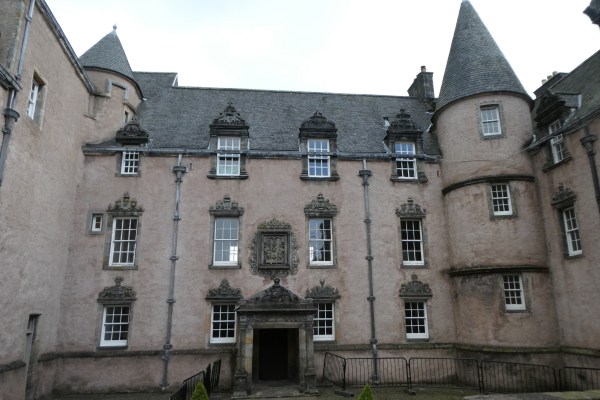
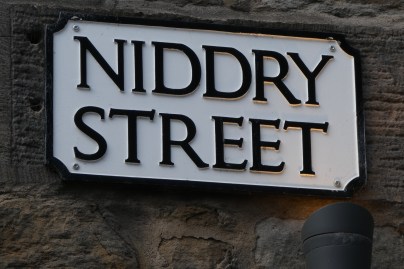
We caught the train from Stirling to Edinburgh and walked up the hill in the approximate direction (I thought) of the Dovecot Studio. Our stop to ask for directions elicited the same generous helpfulness we have met with all over the UK and particularly in Scotland. Making our way along Niddry Street we happened quite unexpectedly across the Music Museum, a collection administered by the University of Edinburgh.

Home to one of the most important historic musical instrument collections anywhere in the world.

St Cecilia’s Hall is Scotland’s oldest purpose-built concert hall. Originally built by the Edinburgh Musical Society in 1762, the Georgian venue is a real hidden gem, tucked away in the heart of Edinburgh’s Cowgate.

Having undergone a £6.5million renovation St Cecilia’s Hall and Music Museum is now the University’s first visitor attraction and a fantastic addition to Edinburgh’s offer of museums and event venues.

The collection

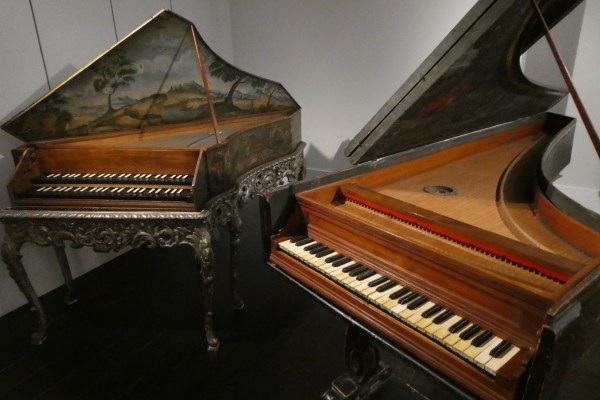
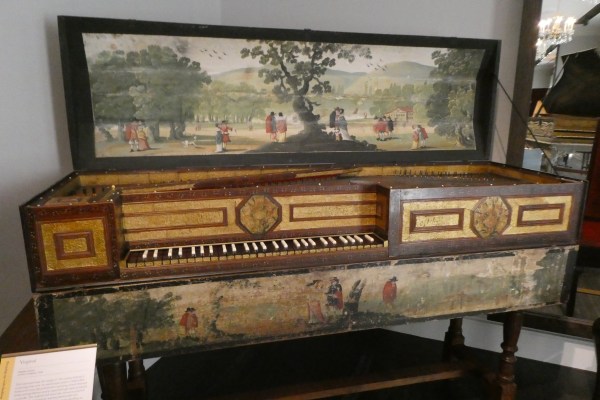
The Music Museum displays the University’s unparalleled collection of musical instruments from across the globe, including its world-famous harpsichords, some of which are playable. Making this the only place in the world, it is claimed, that you can hear 18th-century music being played on 18th-century instruments in an 18th– century setting.

More than 400 instruments have been conserved as part of the redevelopment project by a dedicated conservation officer. This work continues, as the building features a dedicated space for treating instruments, which is visible for those visiting to see.
P1040342.jpg

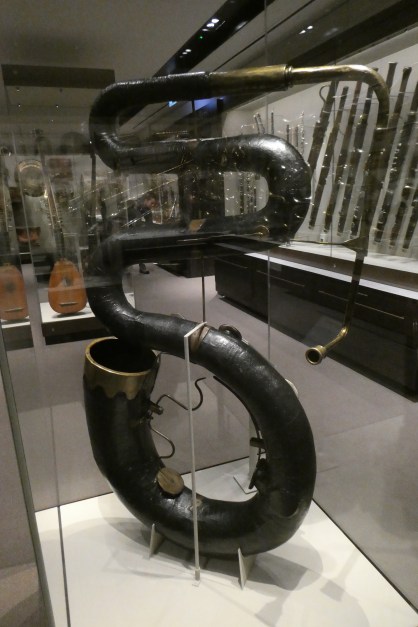
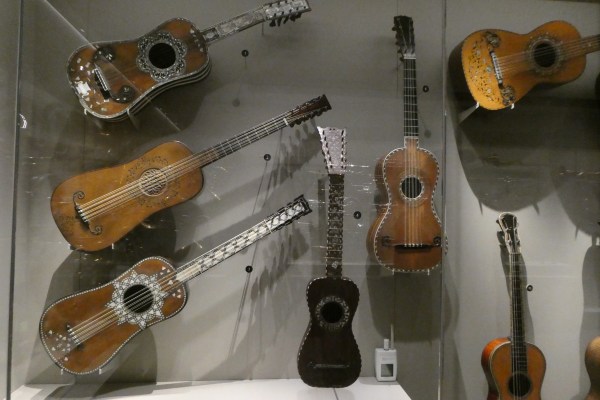
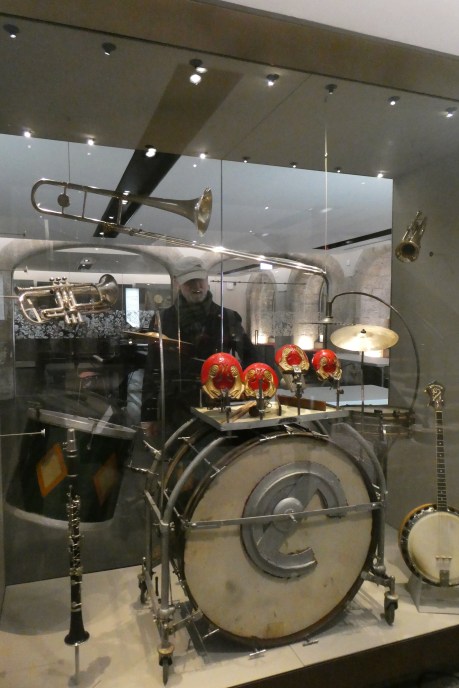
So of course we went in for a look…  The earliest instruments dated back to the sixteenth century. The harpsichords, spinets, clavichords, virginals and the like were clearly desirable items of furniture and indicators of status as well as instruments to be played. So much more I didn’t photograph.
P1040319.jpg

P1040322.jpg

P1040336.jpg

P1040334.jpg

P1040328.jpg

‘Liberty Art Fabrics and Fashion’

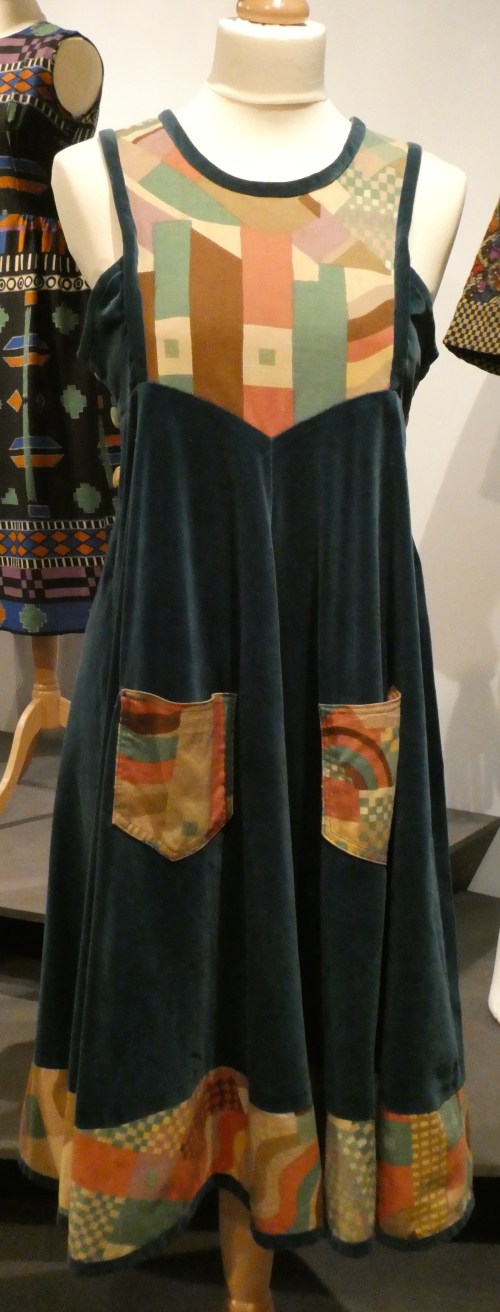
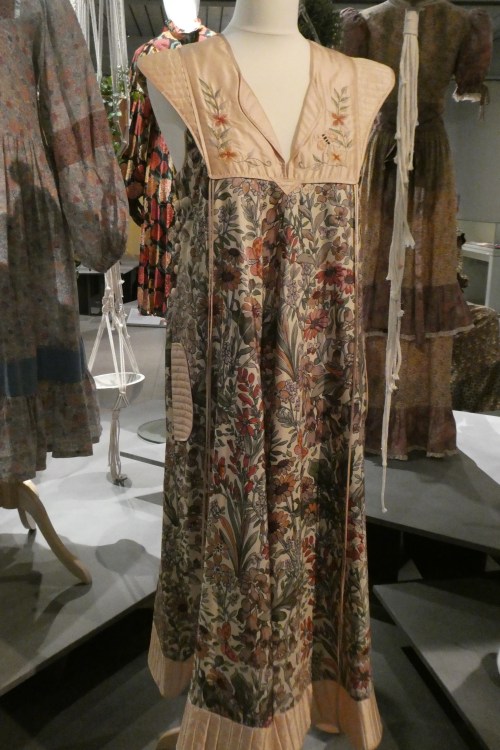
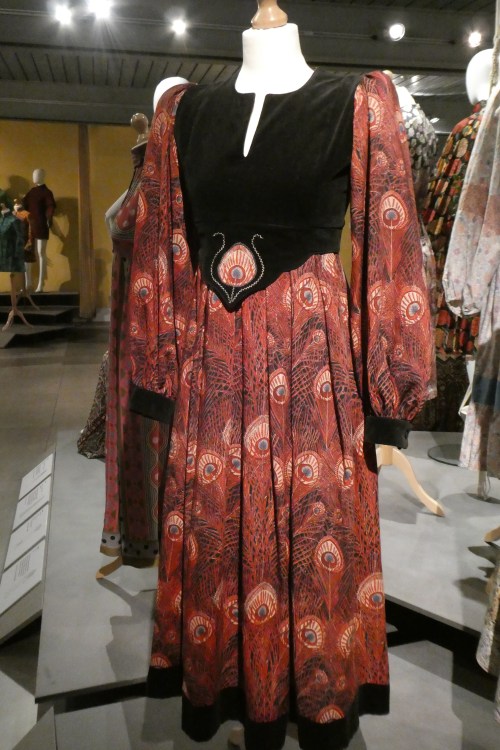
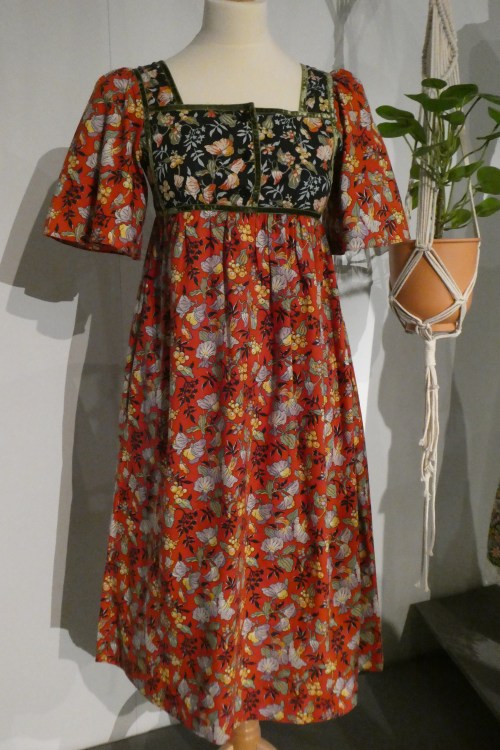
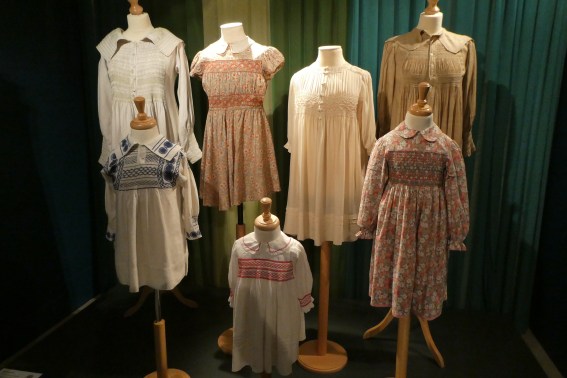
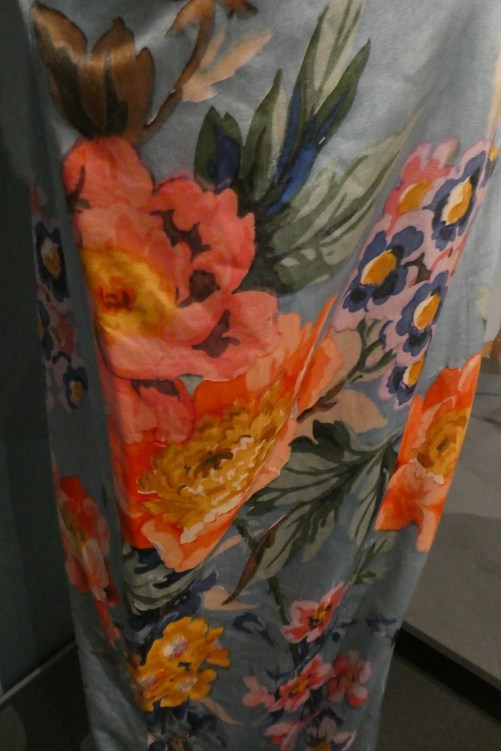
This post is part 2 of a day of surfeit. Having spent quite a long time viewing the Dovecot Tapestry Studio (last post) I wasn’t certain we had time for the feature exhibition – Liberty Art Fabrics and Fashion.  Russ suggested a quick whizz around. Thank goodness he did. It was glorious, sumptuous and a trip down memory lane. As a young woman I loved fabrics, clothes, sewing – and there were so many items in this exhibition I might have worn – would still wear given the chance. The best way I can share my delight is through photos – excuse the number but this blog is our memory palace and therefore our indulgence.


P1040377.jpg

P1040379.jpg

P1040375.jpg

P1040378.jpg

P1040381.jpg

P1040373.jpg

P1040374.jpg

P1040372.jpg

Dovecot Tapestry Studio, Edinburgh

When you are travelling there are serendipitous finds/happenings that just lift the whole experience onto another plane. Often they’re to do with conversations in passing, those brief interactions with strangers that reaffirm our human bonds.

Once, in Canberra, I happened across an exhibition of Natalia Goncharova’s costume designs for Diagliev’s Ballet Russe – a moment that has resonated ever since. Yesterday, in Edinburgh, we shared a day full of these sorts of experiences. It nearly killed us, but was undoubtedly worth the pain.

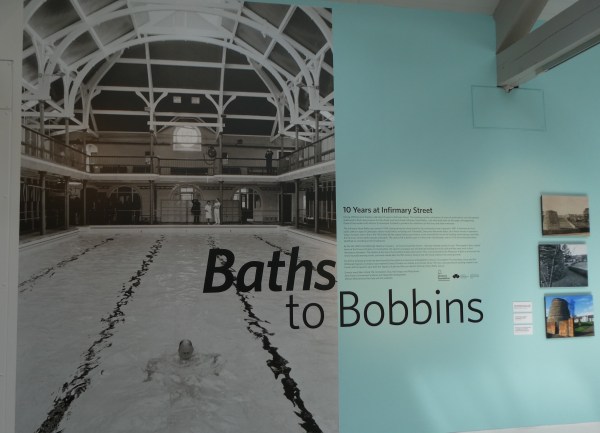
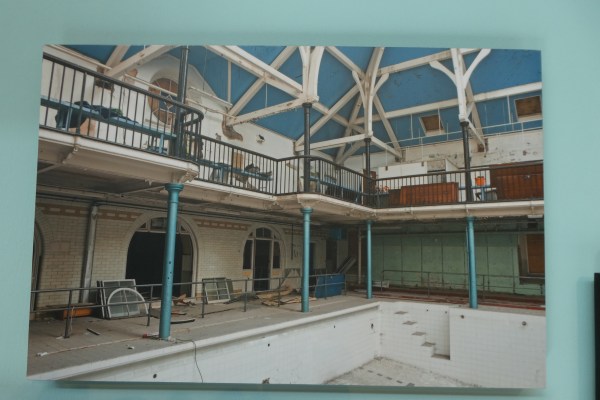
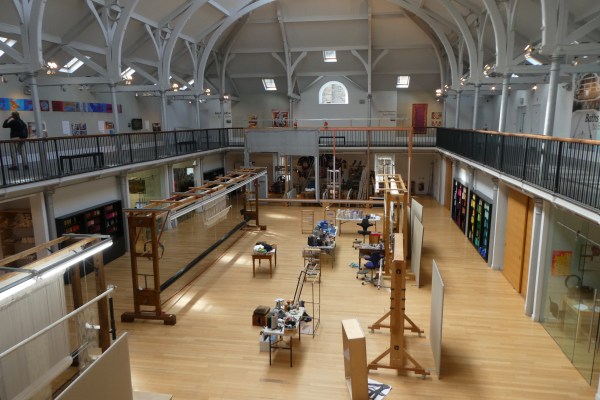
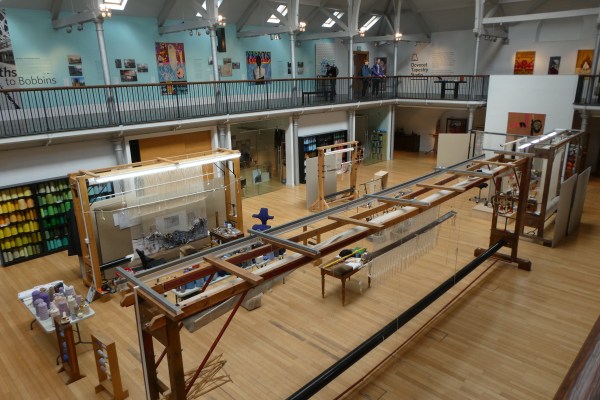
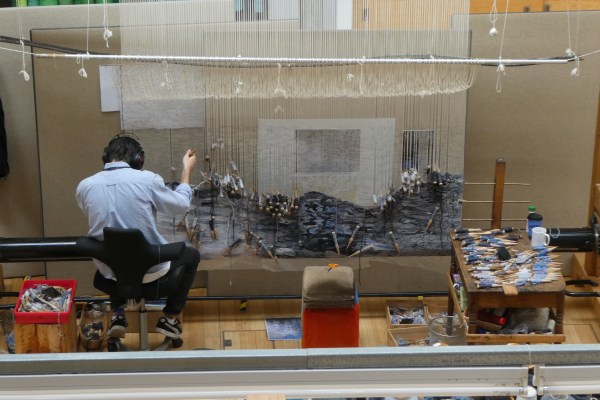
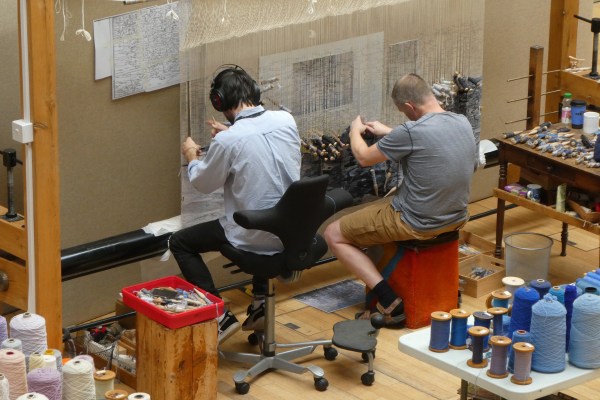
Somewhere, prior to leaving New Zealand, I had read about the Dovecot Tapestry Studio and thought it might be worth a visit. So we made our way uphill from Waverley Station (having commuted from Stirling where we are based) to Infirmary Road where we found the studio housed in what had once been Edinburgh’s public baths. A coffee in the lovely adjoining Leo’s cafe and then we climbed the stairs to the viewing gallery from where visitors can see the whole tapestry studio and watch the weavers at work. This is a studio with an illustrious history that makes seriously large public commissions. Around the gallery walls were information panels about the studio and the conversion of the baths; also information about some of the recent commissions completed including a huge frieze, designed by Victoria Crowe for the Leathersellers’ Company in London. The work was sumptuous, its scale awe-inspiring. And I walked round with a dirty great big grin on my face!

P1040356.jpg

P1040353.jpg

P1040363.jpg

P1040360.jpg

P1040350.jpg

P1040349.jpg

P1040357.jpg

P1040362.jpg

The road to Stirling…

Our route from Luce Bay to Stirling took us on a small road up the south-east coast via Auchenmaig, Cairnryan, Ballantrae, Ledalfoot, Girvan and Maybole to Ayr, the latter a surprisingly solid and stately city with massive stone edifices that bespoke a lot of money at one time. Had the weather been clearer we would have looked seawards towards Arran and the Mull of Kintyre. We did see Ailsa Craig looming out of the misty rain. All the smaller towns and villages follow the Scottish pattern of stone houses lining either side of the road and opening directly onto the pavement. Smaller cottages are quite austere but always with some slight adornment.

It was interesting to pass through Ayrshire and recognize names – Kilmarnock, Kilmaurs – associated with the Deans, Manson and Gebbie families who emmigrated to New Zealand in the 1840s and finally settled in Christchurch and Lyttelton Harbour.

North-east from Ayr past Kilmarnock, through Glasgow and on up to Stirling, all with the help of Herbert, our indispensible SatNav guide. (Both new to SatNav and skeptics at first, Russ and I are total converts). In Stirling we are spread out over the second and third floors of a Victorian sandstone villa known as Pear Tree House. This is the first time in two weeks we have really been able to ‘unpack’. We are a stone’s throw from the city centre, close to the castle, but in a quiet residential street. Perfect.

We went out walking later afternoon, found the visitor info, did some food shopping, enjoyed the massive gravitas of the central city buildings (even in what is a relatively small town), had a pub meal and blobbed out, travel-weary, back at Pear Tree House.

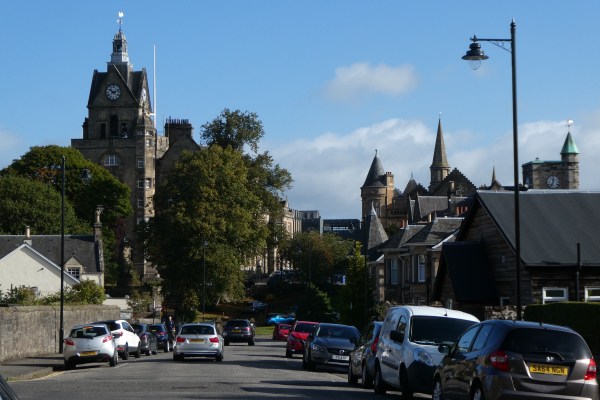
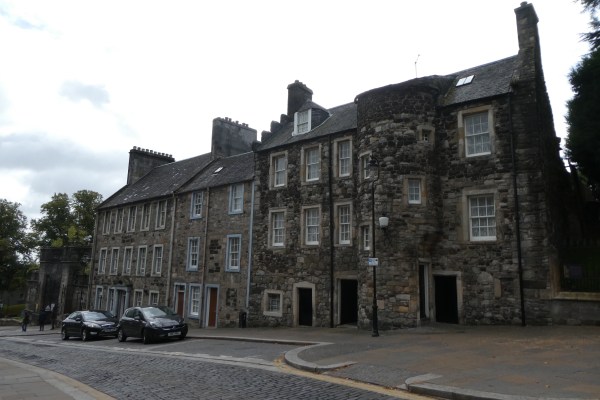
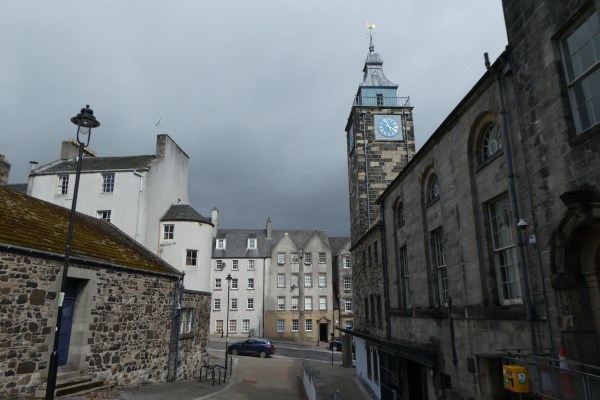
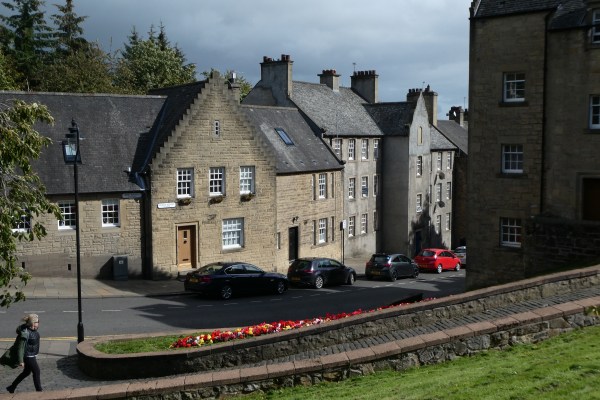
Buildings in the old city…

P1040264.jpg
Glebe Avenue (our street) looking towards the old city

P1040311.jpg

P1040312.jpg

P1040314.jpg

P1040307.jpg

Port William, Luce Bay

We left Kendal on Saturday 8th to drive up through Penrith, Carlisle and, instead of heading directly north to Glasgow as I have done in the past, we turned due west heading into Dumfries and Galloway.

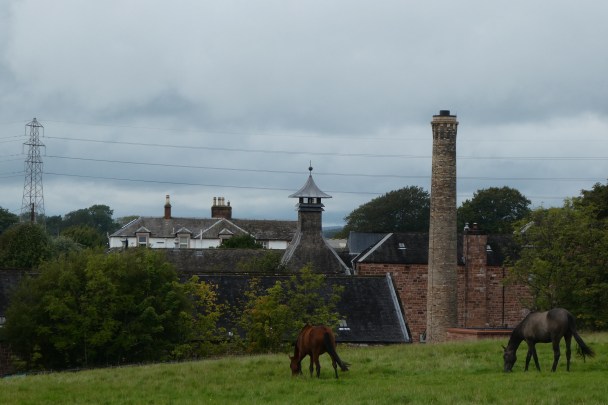
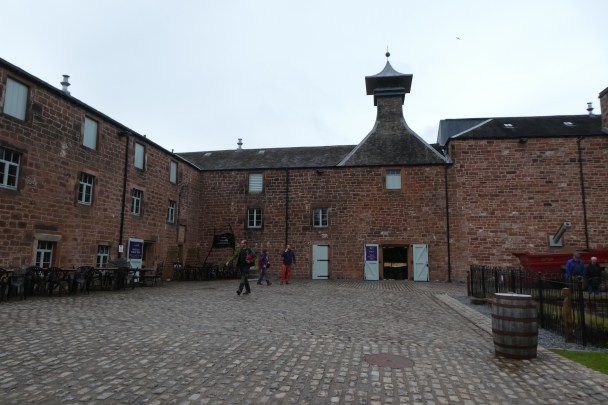
As we passed through the little town of Annan we spotted a distillery sign and made a quick decision to find it and stop there for a break in the long drive. It turned out that Annadale Distillery, having been opened in 1830 by George Donald and bought by Johnnie Walker in 1893, was closed down in 1924. In 2007 the distillery was reopened by the Annandale Distillery Company following a massive £4m investment.

In November 2014, the Annandale Visitor Centre opened and the first casks were distilled. In November 2017, the first casks were broached and 20 early production casks were selected for bottling. Annandale Distillery’s single cask, single malt scotch whiskies – Man O’Words and Man O’Sword (peated) – went on sale in June 2018.

Unfortunately tour times didn’t suit our schedule so we satisfied ourselves with a cup of tea (!!) in the very upmarket café. We enjoyed the lovely buildings. 

P1040100.jpg

P1040093.jpg

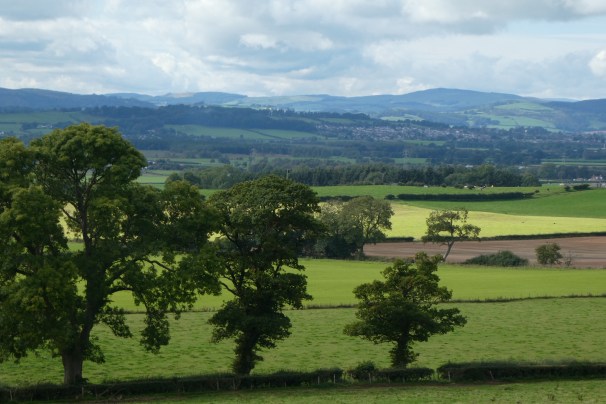
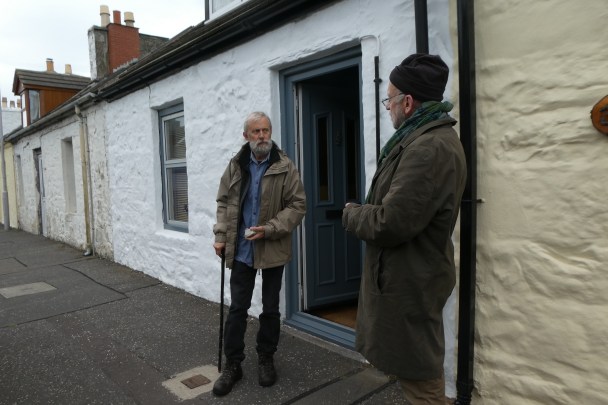
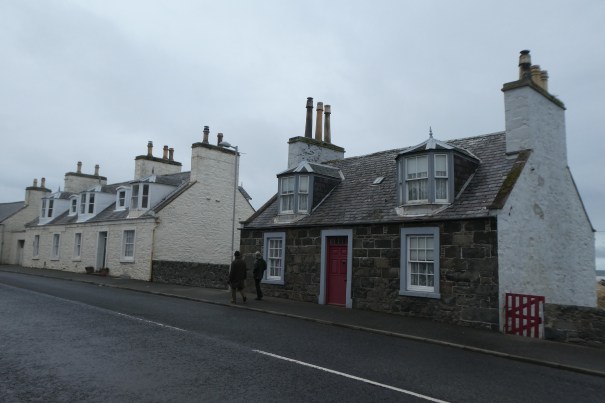
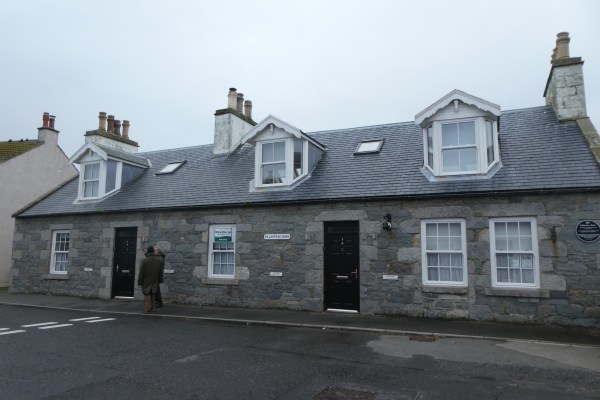
Then on ever further westwards through gently rolling farmland running roughly parallel to the Solway Firth until we reached Newton Stewart. A final run south-west to arrive at tiny Port William on the east side of Luce Bay, there to stay with Russ’s very good and old friends Terry and Jackie in their delightful nineteenth century stone cottage, one of a number built by the Maxwell family (as in Gavin M – Ring of Bright Water), right on the sea.

P1040103.jpg

P1040164.jpg
Outside the cottage

41454902_348071822666656_6719984785705402368_n.jpg

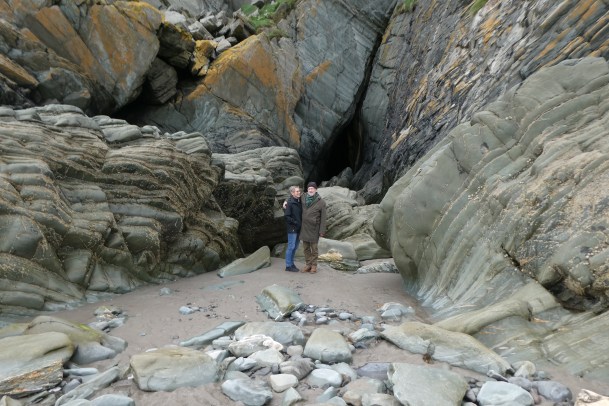
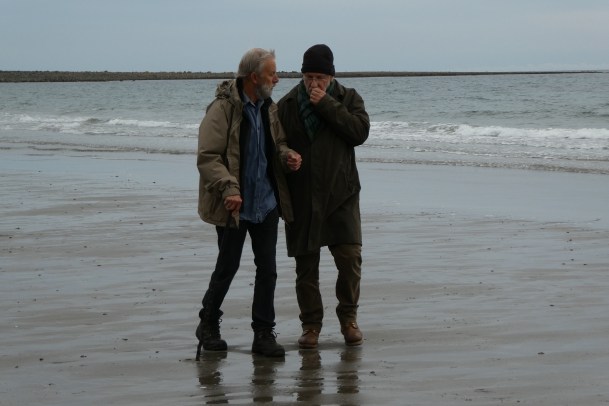
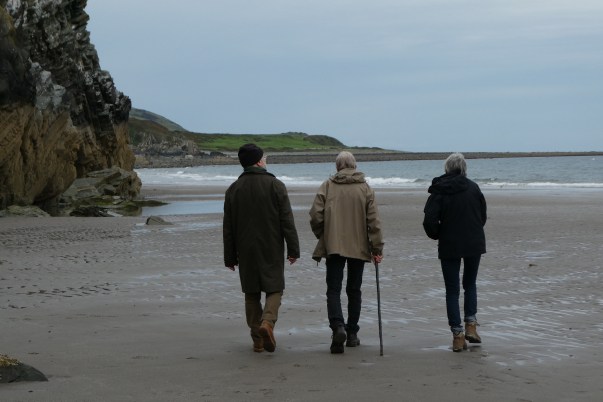
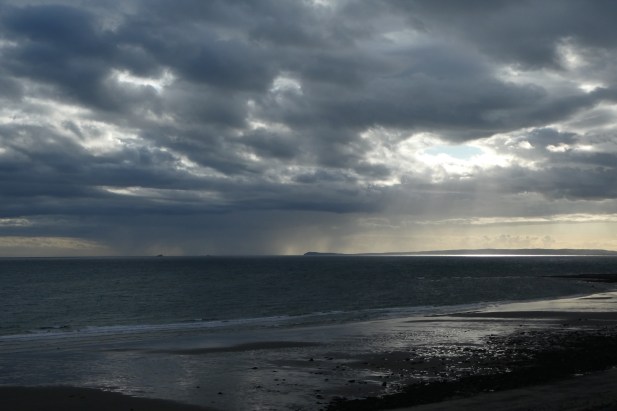
After a much-needed cup of tea (always!) we headed a little further around the foreshore for a walk along the beach to the most amazing rock formations. We have yet to discover the geology behind these massive swirls and fissures but they are truly awe-inspiring. Out to sea in the distance we could see the Isle of Man and the long, low curve of the Stranraer peninsula. Overhead we saw a kestrel kettling – a first for me.

P1040112.jpg

P1040121.jpg

P1040145.jpg

P1040129.jpg

P1040155.jpg
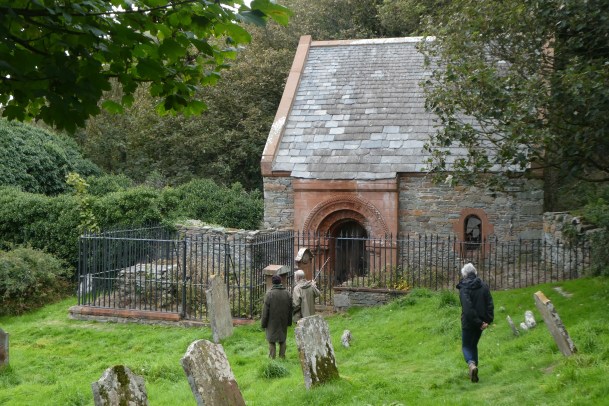
Maxwell family church right by the sea

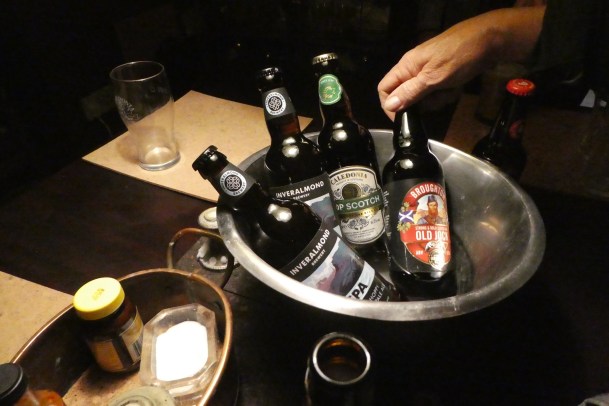
Back home to a delicious meal with local beer and whisky brought from Wales, all in a cottage which envelops you with its art and creativity. Then we went on badger watch!! Terry and Jackie have a badger set at the top of their garden, up a steep bank. We saw evidence of the set in the late afternoon. In the dark we sat in silence, wrapped round with blankets, hoping the badgers might be enticed by the food treats laid for them. Sure enough they were, but not while we were there. Instead we saw them the next morning on Terry’s motion camera. For someone who has always longed to see a badger, this was a dream come true (blame The Wind in the Willows).

P1040165.jpg

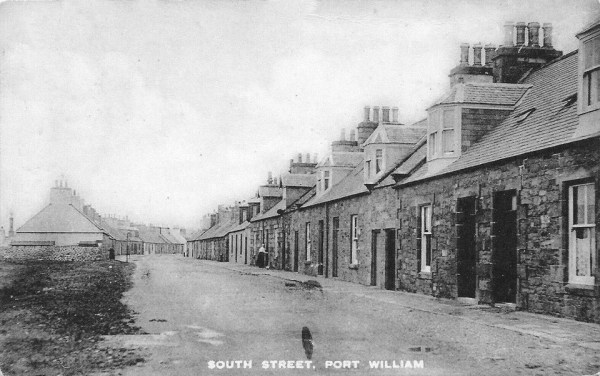
The following day (yesterday) Terry, Russ and I wandered through Port William – one main road flanked by houses and bisected by a small harbour, before the four of us set out for a little tour of the broad headland that lies to the east of Port William. We visited Wigtown with its many bookshops (a Scottish Hay-on-Wye); Garlieston where we enjoyed Jackie’s delicious picnic lunch down by the sea; Whithorn – site of the first recorded Christian church in Scotland and home to excellent museum displays on the very early history of the area; and the Isle of Whithorn, site of the long-ruined 13th century St Ninian’s Chapel and a great lookout point.

P1040190.jpg

P1040194.jpg

P1040219.jpg
Cottages here and there

P1040229.jpg
The evening rounded off with a local pub meal, more unrewarded badger watching (the blankets this time accompanied by whisky) and welcome bed as the effects of blustery Scottish wind and whisky combined.

P1040242.jpg


Farewell to Wales…

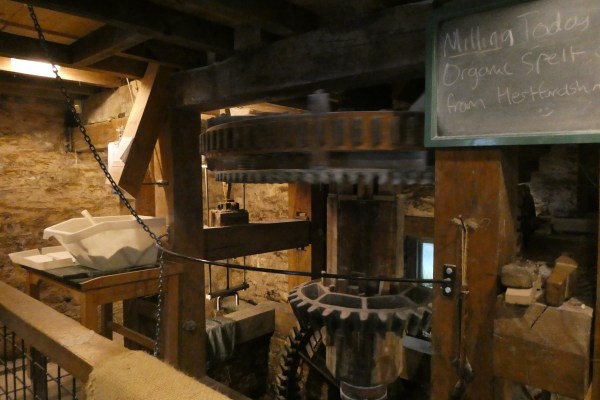
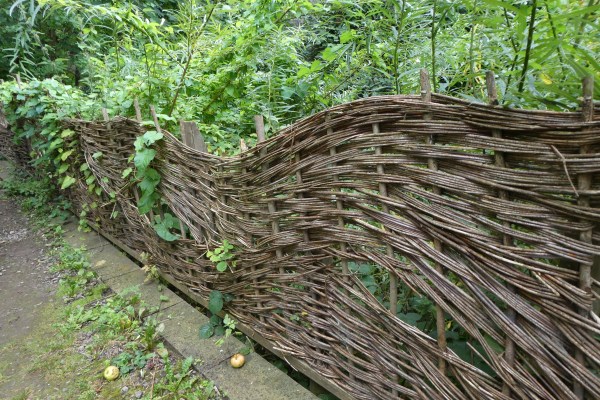
Thursday 6 September, we called in at the Brecon Beacons National Park Visitors Centre, where Howard still does some part time work, before driving to Talgarth where we stopped to view the fully restored, 18th century, Talgarth Flour Mill. The only working water mill in the Brecon Beacons National Park, the mill produces flour for sale and for use in its café The Baker’s Table. Howard and Russ caught up with people they knew and we had a delicious lunch there. Running along the stream outside was a little garden, maintained by volunteers, with an apple-dripping tree and a wonderful woven fence.

P1030824.jpg

P1030834 (1).jpg
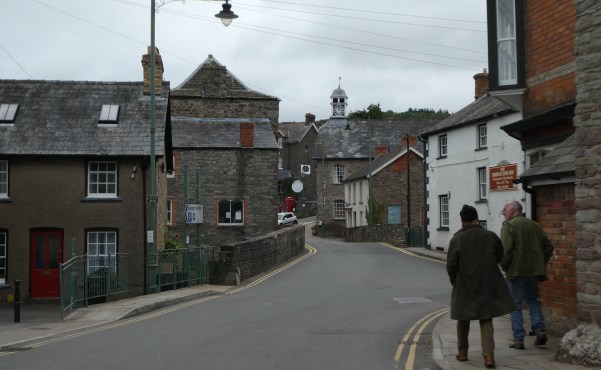
Russ and Howard in Talgarth
P1030838.jpg
Grinding mechanism

P1030849.jpg

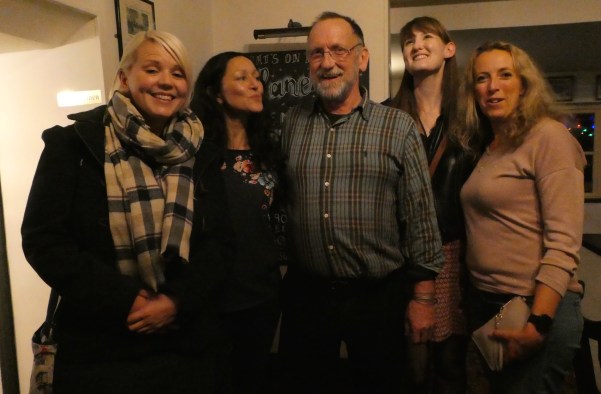
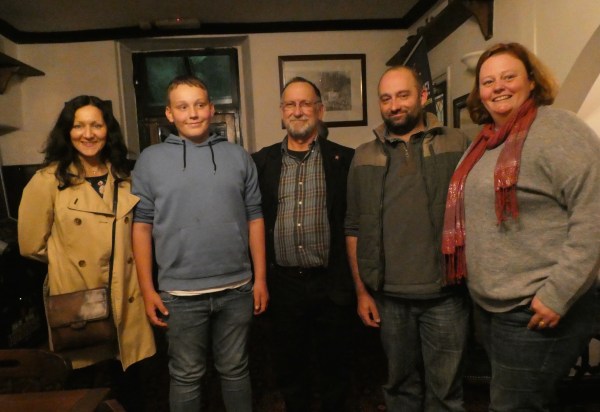
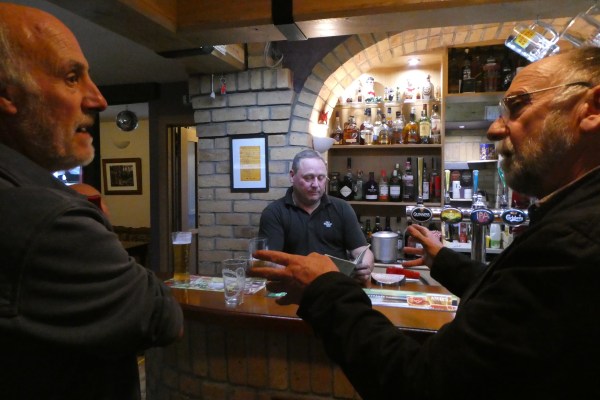
In the evening we met up with some of Russ’s ex teaching colleagues and students at the 16th century Llanerch Inn in Llandrindod Wells. What an amazing welcome! Such warmth – and such affection for Russ. Sadly I was so busy meeting and talking with people that I failed to take any photos until many had gone. Sorry especially to miss a pic with Sally and Beth.
P1030867.jpg

P1030872.jpg

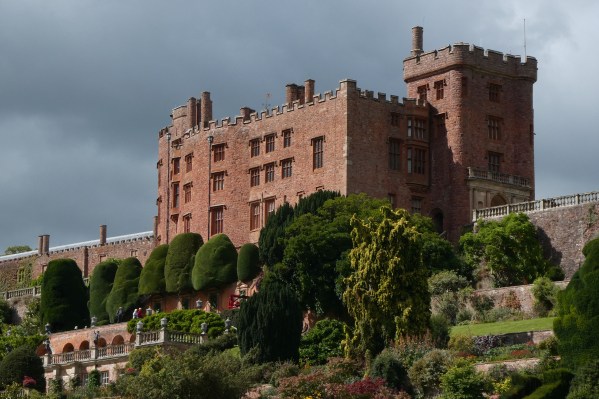
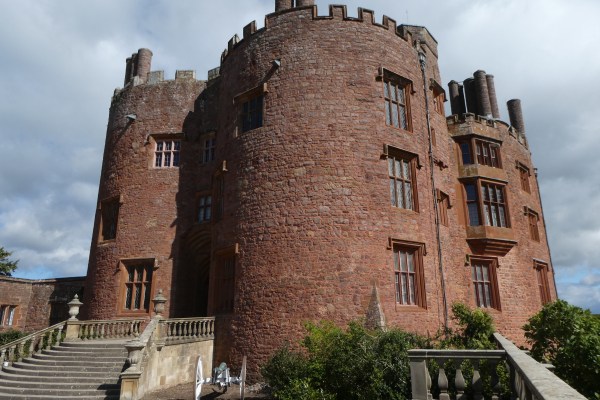
Following morning the sun shone early on the Brecon Beacons and the goats, sheep and chooks over the back kicked up a breakfast racket as we prepared to leave Howard’s home in Libanus. We repeated our previous evening’s drive to Llandrindod Wells and then on north through the centre of Wales to Welshpool where we stopped for a break at the National Trust-owned Powis Castle. (No time to write more about its long history of which you can discover more here.)
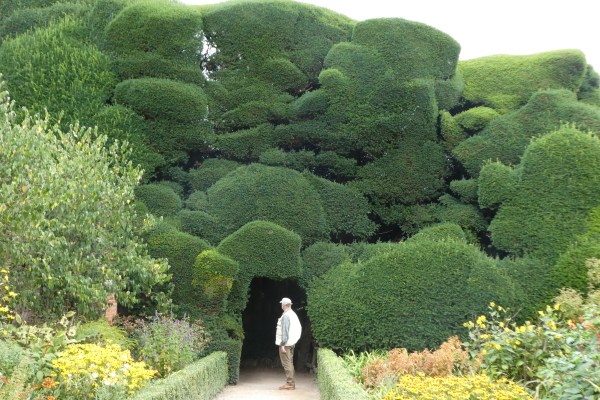
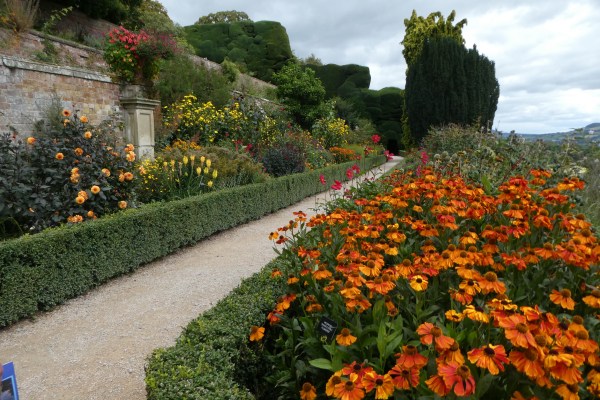
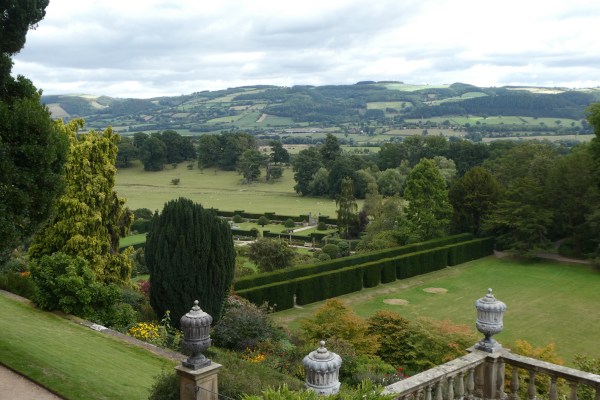
This was a surprise, not so much a castle (now) as a pink confection with a highly decorated interior (evidence of massive power and riches) and runaway gardens cascading down the hillside – autumn-toned perennial borders (good ideas here), clipped yews both formal and riotously rebellious, woodlands, heritage apples pruned to a single trunk rather than an open vase-shape… I loved the interior fabric of the castle (great wide wooden floorboards, dark oak panelling…) but not the opulent furnishings and artwork. The garden was a great pleasure.

P1040043.jpg

P1040005.jpg

P1040035.jpg

P1040029.jpg

P1040056.jpg

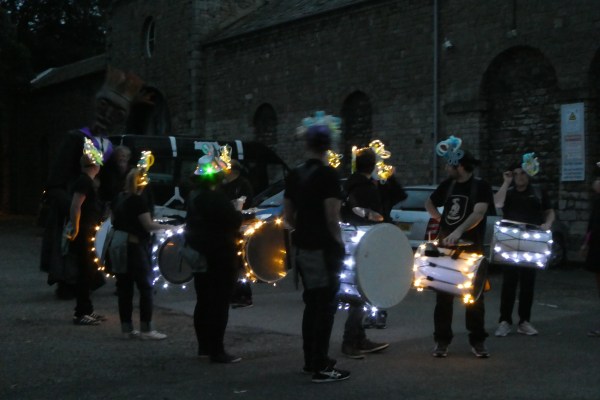
We continued our drive up through the Manchester conurbation to arrive late afternoon in Kendal, just in time to book a B&B at the information centre before it closed. Both of us know the Lake District from multiple visits, though not especially Kendal, so we settled into our top floor room in a grey stone Victorian house and then walked the short distance along the river in search of dinner. We were stopped in our tracks by a big crowd gathered at Abbot Hall Park, part of the LakesAlive festivities. Children and their families were learning a simple, in/out circle dance with the help of a great little band and a ?? (the word for someone who calls a dance) – much excitement, laughter and delight. The kids all knew a dance we had never come across – involved manic shaking of the body left and right – very funny. Further on we stopped to watch drummers with intricate, illuminated headdresses preparing to march on the park.

P1040075.jpg

P1040082.jpg

Dinner was to be a lucky dip and much to our delight we struck the jackpot, stopping at a small unassuming place on Highgate called The Moon. Delicious, fresh, imaginative food (seafood in our case) accompanied by great friendly service. For Russ, a good antidote to the soggy panini purchased for lunch at a motorway service centre. Lord save me from those stopping places – though in this case loo-urgency trumped my distain!

P1040086.jpg
No one’s throat was cut…


Glastonbury…


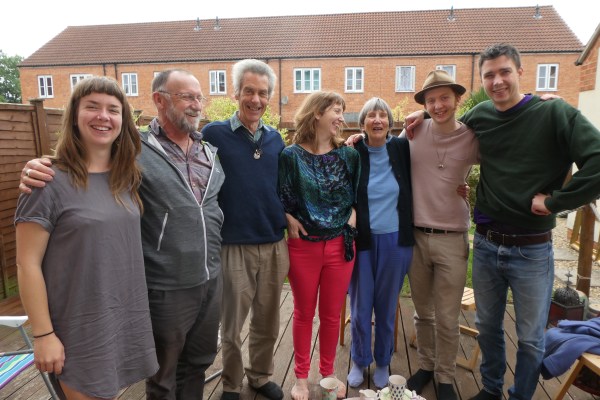
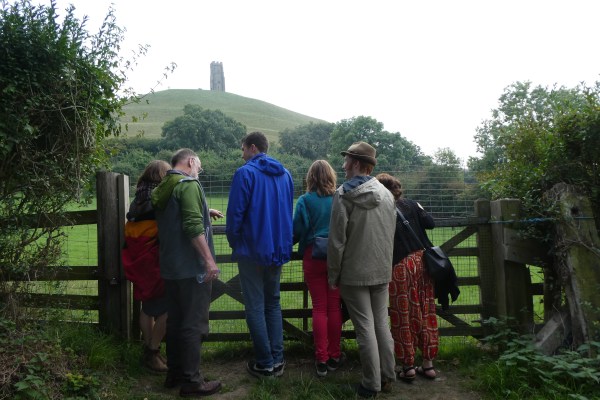
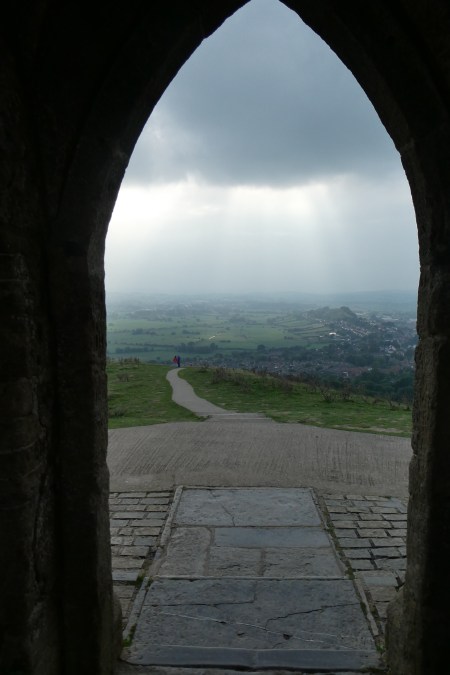
Tuesday 4th we drove across the Brecon Beacons, down past Merthyr Tydfil (once the largest town in Wales in a key coal-mining area, now struggling in the ‘post-industrial era’), past Cardiff and back across the Severn estuary before heading south to Glastonbury to where Russ’s daughter K’lo had just moved two weeks previously. Our arrival soon turned into a gathering – K’lo’s son Kieran and girlfriend Christiana, daughter Megan and partner Pete and Kieran’s grandparents Jan and Matthew. Lots of cups of tea and chat. Then Russ, K’lo, myself and the young ones drove to the base of Glastonbury Tor and climbed up to enjoy the glorious view.


P1030764.jpg

P1030777.jpg


P1030784.jpg

On the flat, water-logged Somerset Levels, the Tor seems to have been called Ynys yr Afalon (The Isle of Avalon) by the Britons and has been associated with the Avalon of Arthurian legend. Glastonbury Abbey, founded in the 7th century and rebuilt after fire in the 12th century, was one of the richest and most powerful monasteries in England. The abbey controlled large tracts of the surrounding land and was instrumental in major drainage projects on the Somerset Levels. 

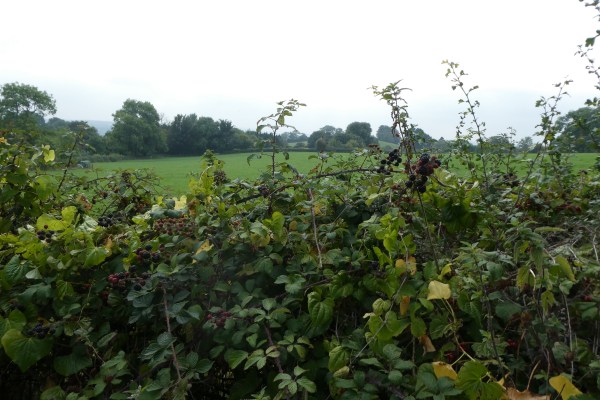
Everywhere brambles dripping ripe and ripening blackberries, so delicious. Also a little orchard on the Tor with plentiful apples. Foraging would be a breeze here, at this time of year.

P1030774.jpg

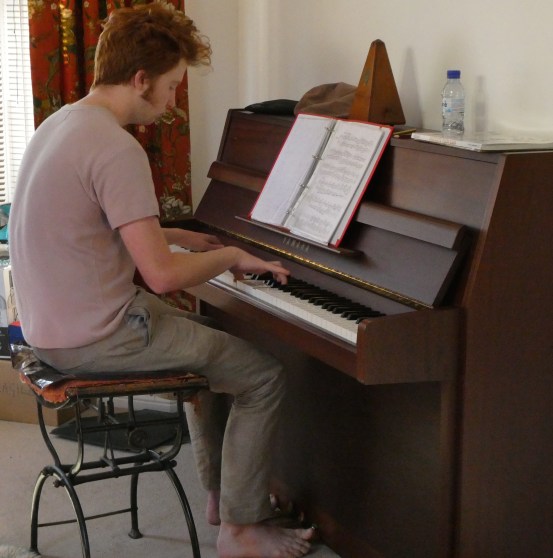
In the evening a family dinner cooked by K’lo, Kieran, Megan and Christiana – cider and cheese contributed by Pete. Music – Russ and Pete on guitars, Kieran, before and the next day, playing classical piano. And we met Steve, K’lo’s lovely partner.

P1030791.jpg

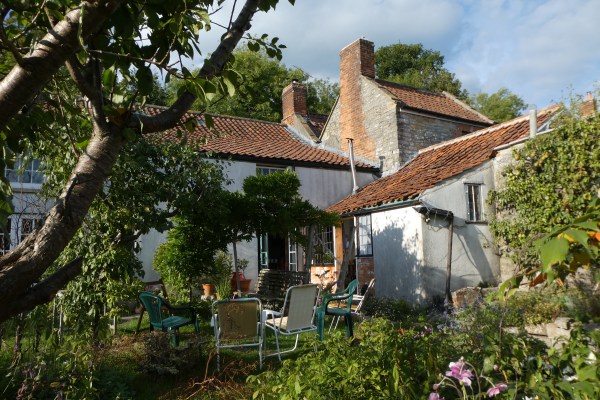
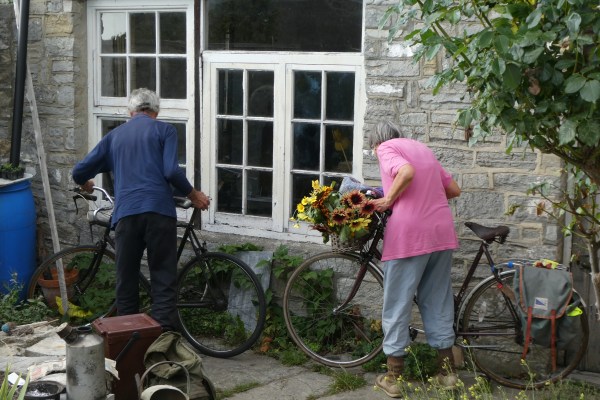
The following day we visited a huge indoor/outdoor centre full of second hand/antique goods on our way to Wells, then a very nice lunch in the city before a quick look at Wells Cathedral (where I went to a service in 1993). We returned via Jan and Matthew’s home – an old Glastonbury cottage, full of interesting art work and old grandfather clocks (Matthew mended them for a living) with a charming garden where in which we sat for a cup of tea before departing for our return to Wales. Very impressed with Jan and Matthew’s efforts to live as sustainably as possible.

P1030810.jpg

P1030805.jpg


Hay-on-Wye and Hereford…

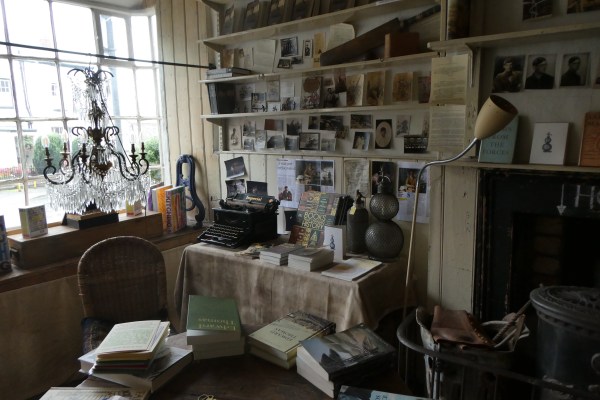
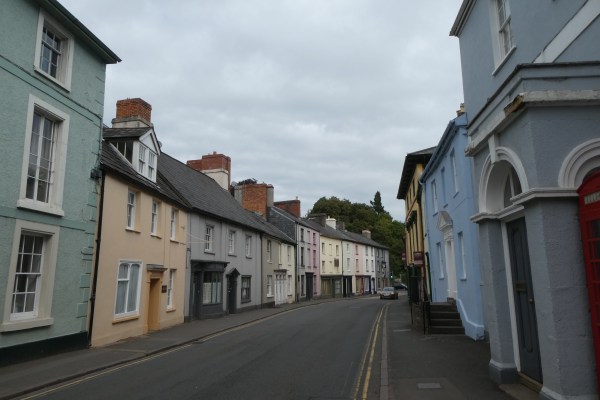
A drizzly morning saw us driving to Hay-on-Wye, home to countless bookshops and a world-famous literary festival. Serendipitously, the first little bookshop we ventured into turned out to be a new venture combining interests in letterpress printing, the history of books and bookmaking. Couldn’t have been more perfect for Russ or interesting for me.

P1030710.jpg

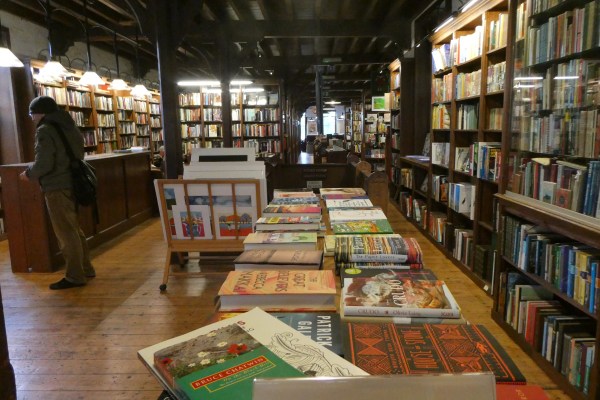
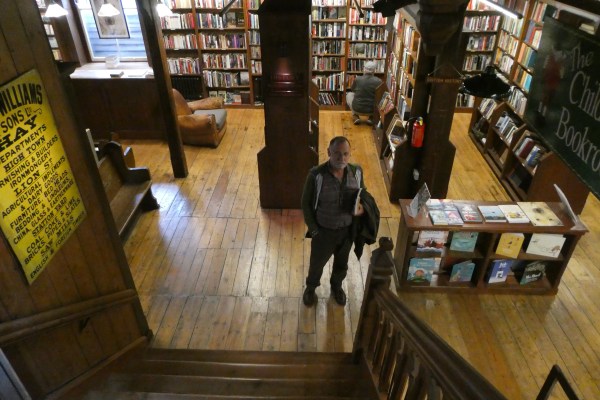
Then on to Richard Booth’s bookshop – three floors of delight in an equally delightful old building. Russ bought a book of Eric Gill wood engravings and I got a second-hand copy of Bruce Chatwin’s Welsh work, On the Black Hill.

P1030715.jpg

P1030714.jpg

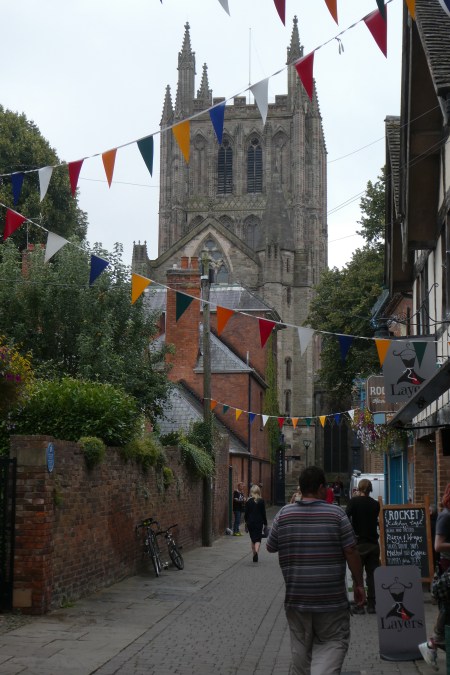
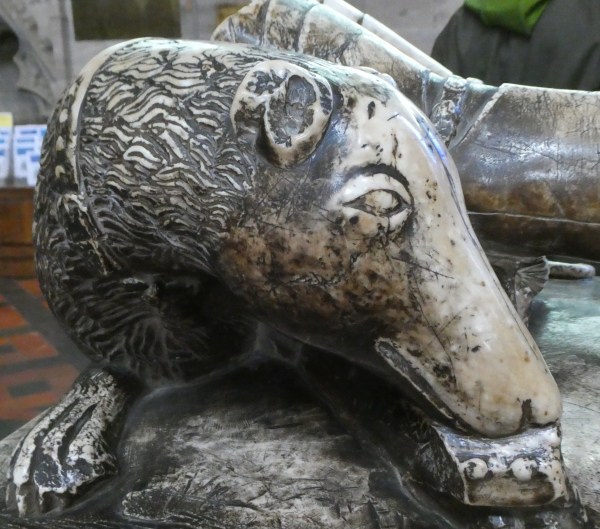
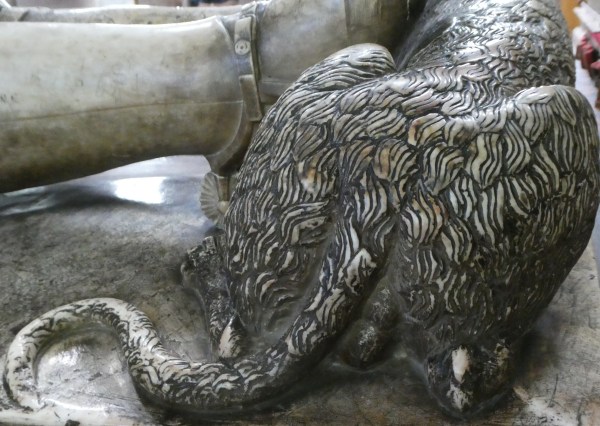
On through lovely cider apple country and across the border to Hereford to visit the 11th century cathedral, with its medieval Mappa Mundi (or map of the world) and chained library. 

P1030723.jpg

P1030729.jpg

P1030730.jpg

P1030731.jpg

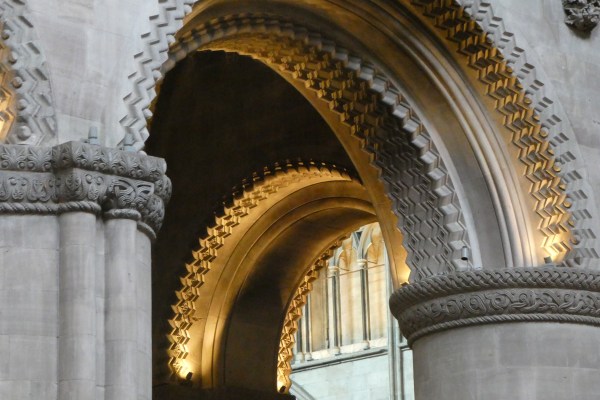
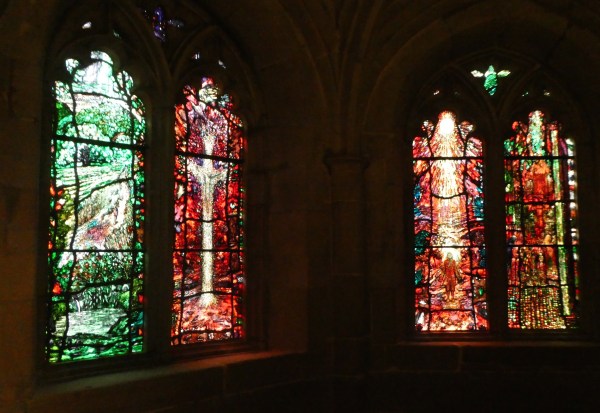
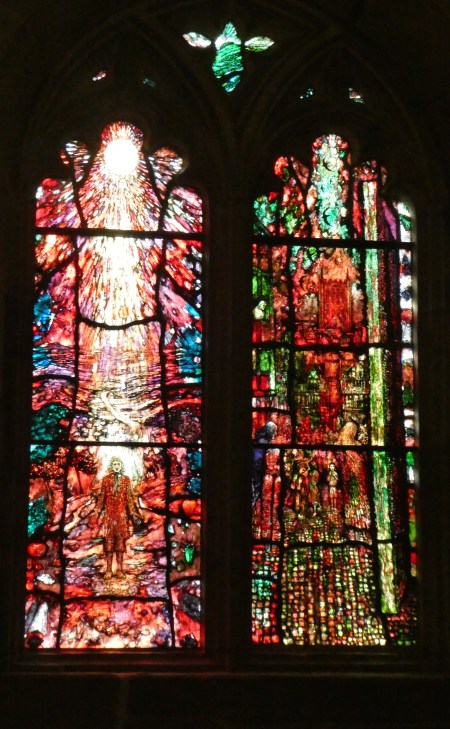
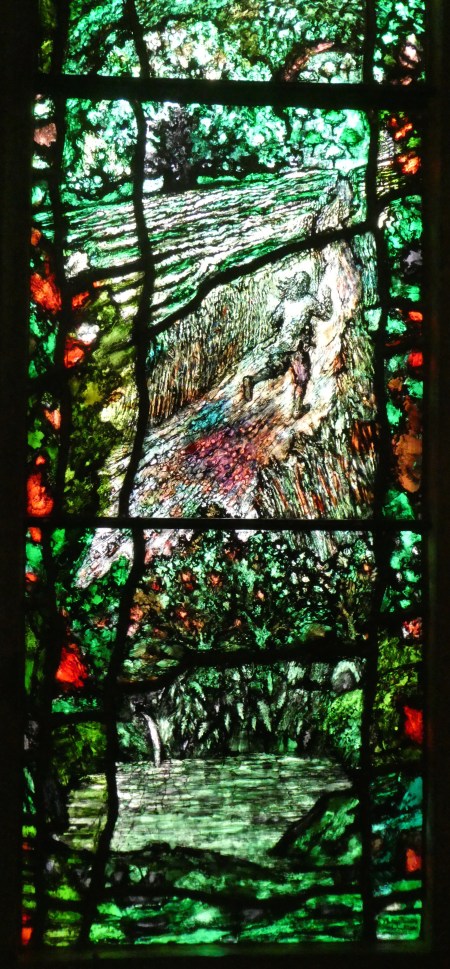
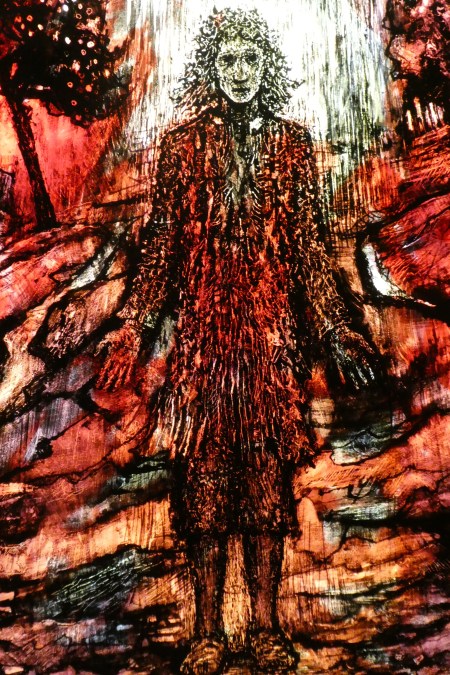
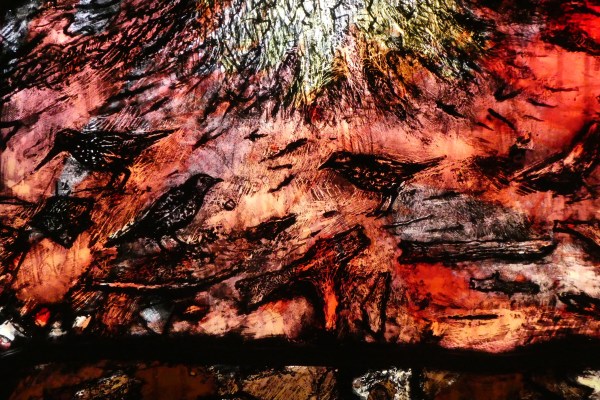
The interior stone work was very beautiful but the highlight in this ancient and lovely cathedral was, for me, the stained glass windows created in 2007 by Tom Denny to celebrate the writings of Thomas Traherne (c, 1637-74) and his association with Herefordshire. I found it difficult to leave these luminous works which overwhelm from a distance with their jewelled colours and delight with surprising detail on close inspection.

P1030751.jpg

P1030745.jpg

P1030750.jpg

Traherne was the son of a Hereford shoemaker, born around 1636. He gained an M.A. from Oxford University in Arts and Divinity. Ordained in 1660, Treherne was a parish priest for ten years, then private chaplain to Sir Orlando Bridgeman until his death in 1674. He is now regarded as one of the foremost English Metaphysical poets, though in his lifetime only one of his works was ever printed.

His work develops “themes of childhood innocence, the infinite capacity of the soul, desire and happiness, and the power of nature to infuse the mind with beauty.  In their blend of deep religiosity and visionary ecstasy, they are reminiscent of  William Blake.”  

You never enjoy the world aright, till you see how a sand exhibiteth this wisdom and power of God.

Suppose a river, or a drop of water, an apple or a sand, an ear of c0rn or an herb: God knoweth infinite excellencies in it more than we: He seeth how it relateth to angels and men; how it proceedeth from the most perfect Lover to the most Perfectly Beloved.

An ant is a great miracle in a little room and no less a monument of eternal love than almighty power.

You never enjoy the world aright till the sea itself floweth in your veins, till you are clothed with the heavens and crowned with the stars.

You are as prone to love as the sun to shine.

P1030748.jpg

P1030747.jpg


Rolling into Wales…

We crossed the Severn estuary to Chepstow, then skirted the ‘Wye Area of Outstanding Natural Beauty’ up through Devauden to Raglan, on to Abergavenny and a skirt around the Brecon Beacons to Libanus where we were to stay with Russ’s friend Howard.  When I first came to the UK in 1979 I wrote home about seeing the fields ‘plotted and pieced’ (GM Hopkins) on the descent into Gatwick. Back home, Mum cried when she read this, understanding. I cried as we made our way into Wales.  From Howard’s house we look up to the Beacons, in particular stark, beautiful Pen y Fan which reminds me somewhat of Mt Bradley in Whakaraupo. In the paddock opposite us are chooks, sheep and two small goats!

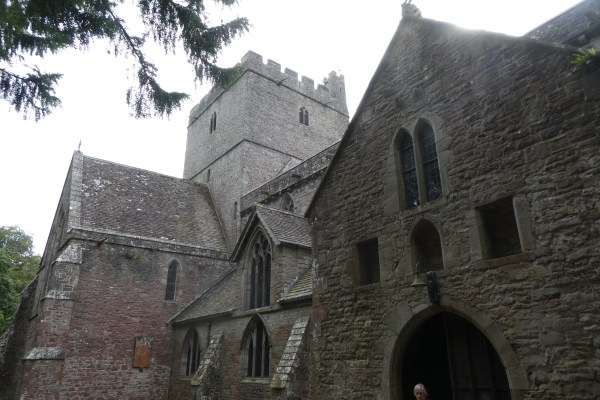
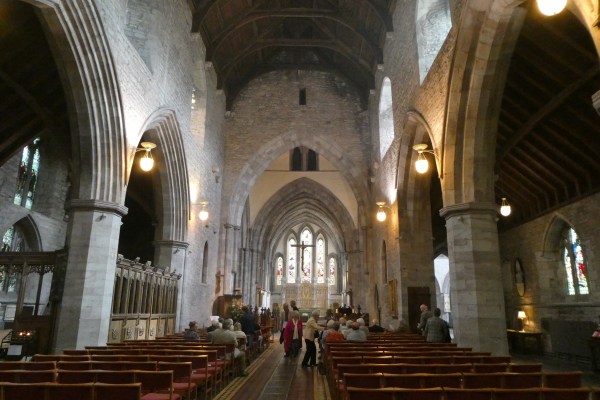
Sunday morning the three of us drove into Brecon, originally a market town, then a military garrison and now a centre for the Brecon Beacons National Park. A wander through part of the town, down to the River Usk and up the hill to the the 11th century Brecon Cathedral where we had tea outdoors in the Cathedral Close. Glorious trees, crocuses and just the very beginnings of autumn leaf change.

P1030634.jpg

P1030631.jpg

P1030632.jpg

P1030641 (1).jpg

P1030644.jpg
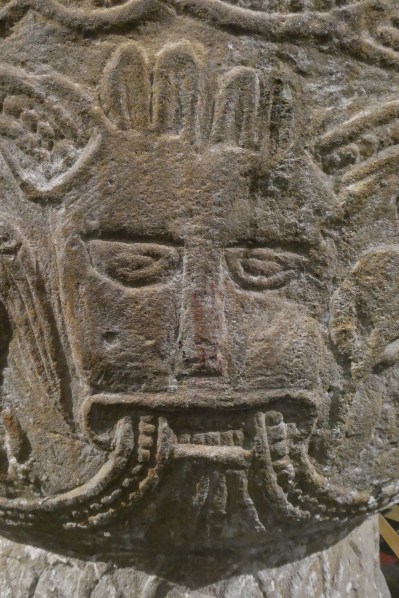
Carving on the 12th century font

P1030642.jpg

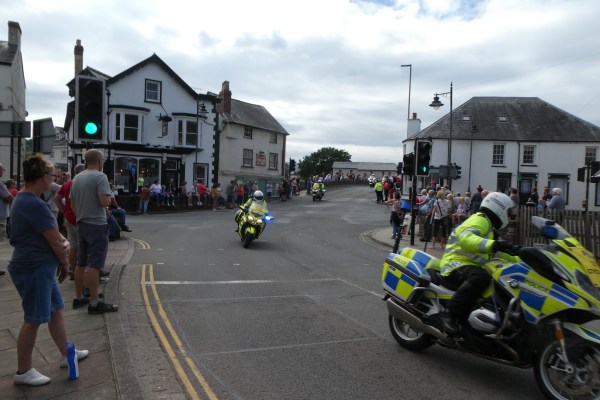
Departing Brecon we were stopped at a junction where lots of people had gathered – caught unexpectedly in a big road race. We abandoned our car in the road and joined the spectators to watch the police hamming it up on fast bikes and then the main bunch of competitors whizzing past in a blur ,followed by all the support vehicles. Fun.

P1030662.jpg

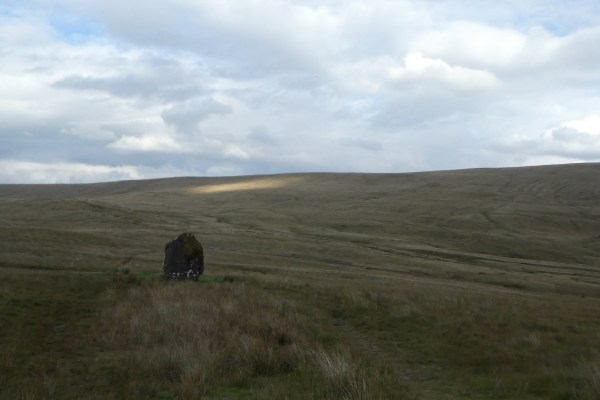
Late afternoon we drove up onto the Beacons to see Maen Llia, standing alone in moor-like grassland.

“Made from a massive sandstone block which stands 3.7m high, the task of moving and erecting it must have been a huge challenge, especially as it is likely that a quarter to a third of the whole stone is below ground.

On a clear day it can be seen from quite some distance down the Llia valley suggesting that it may have been important as a territorial marker. Standing at an altitude of 573m it is also thought to be the highest standing stone in South Wales.” (http://www.breconbeacons.org/standing-stones)

P1030679.jpg

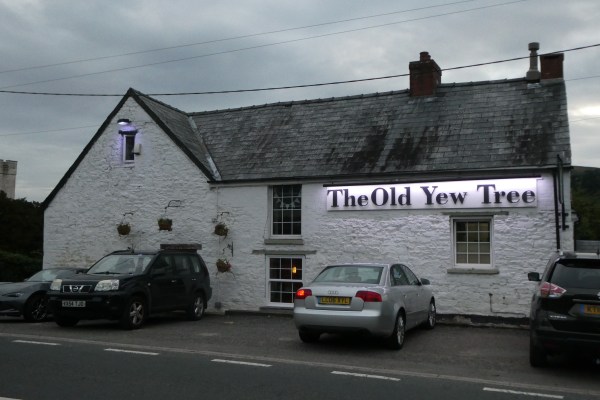
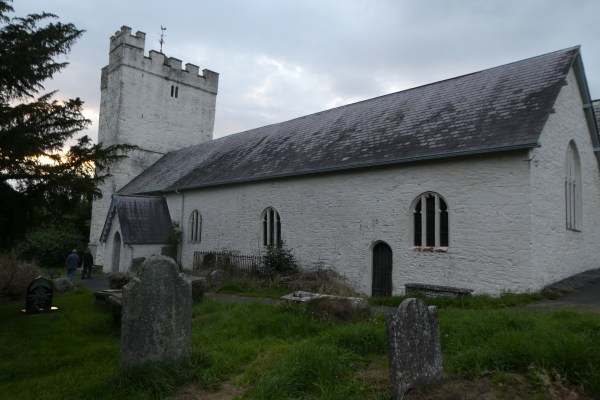
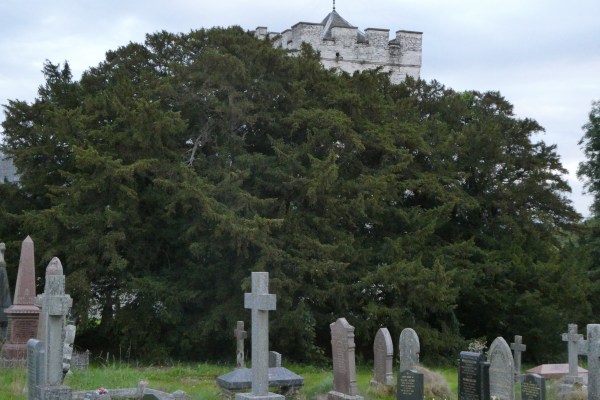
On to The Old Yew Tree at Defynnog, to catch up with Huw and Helen whom Russ and Howard knew from the Libanus Hotel. In the churchyard is a yew tree estimated to be at least 5000 years old. Its original core has gone, but the outlying branches that now constitute the tree are extremely healthy.

P1030687.jpg
Howard, Huw and Russ

P1030702.jpg
P1030690.jpg

P1030699.jpg