
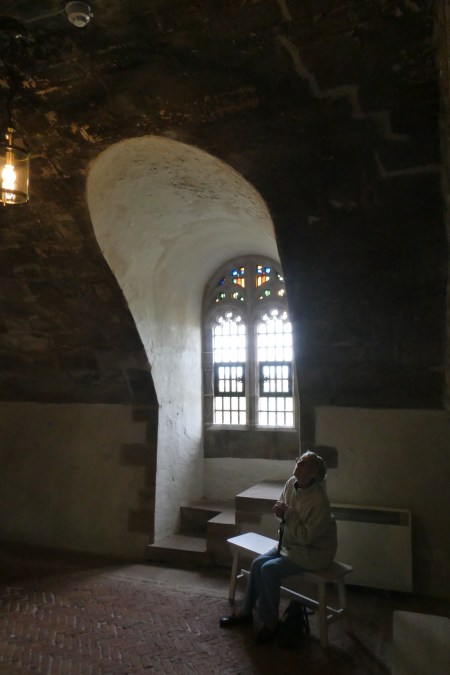
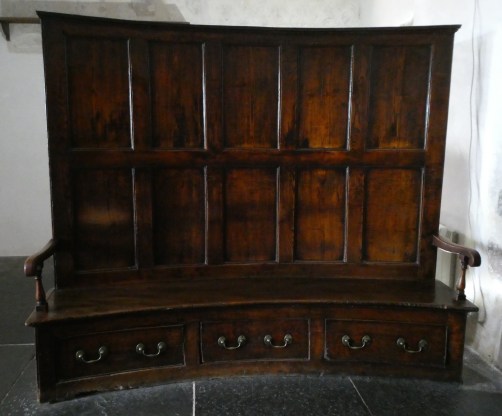
Amidst the magnificence and awe-inducing grandeur of cathedrals like Lincoln, I always delight in finding the small and hidden. Here are some of Lincoln’s treasures…
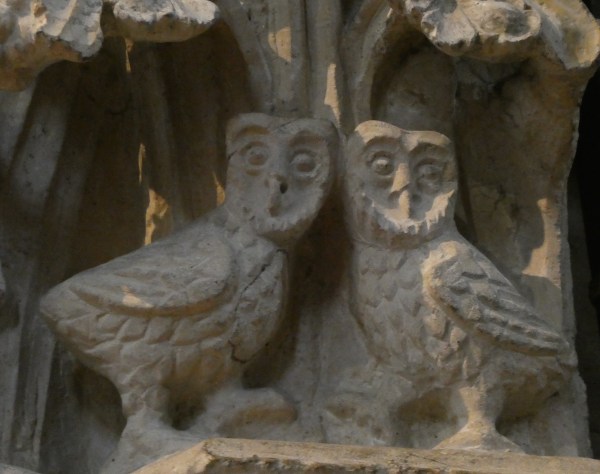
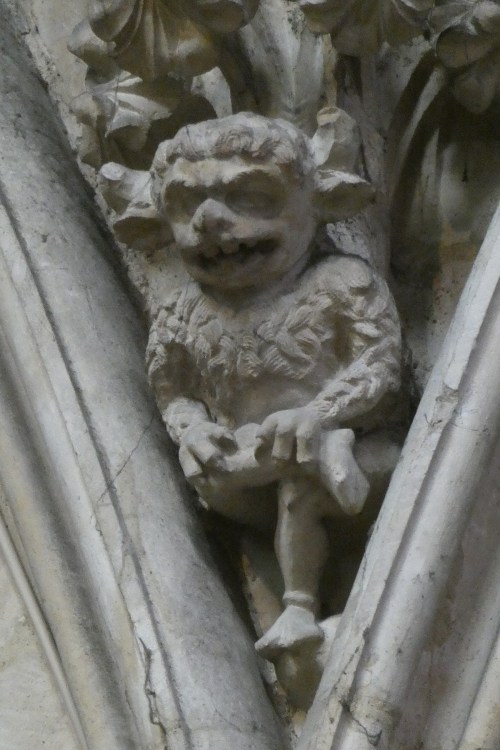
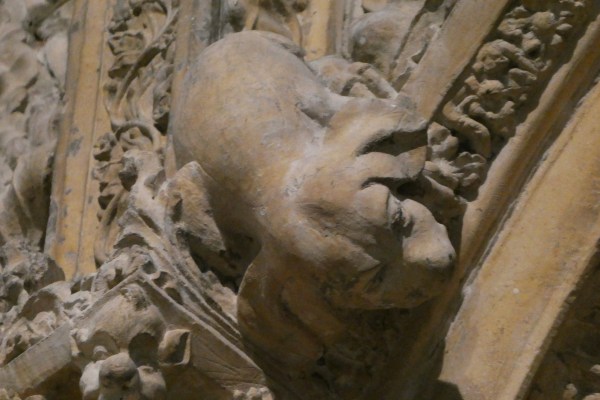
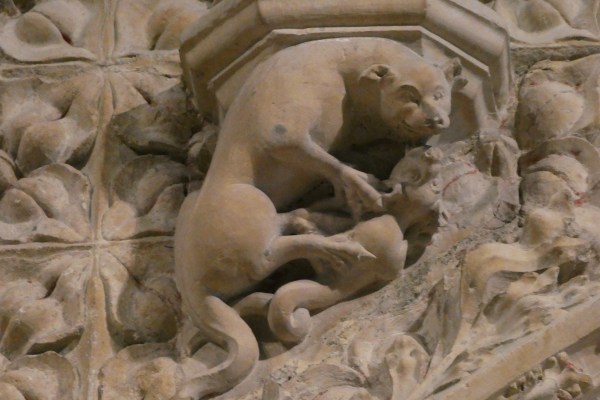
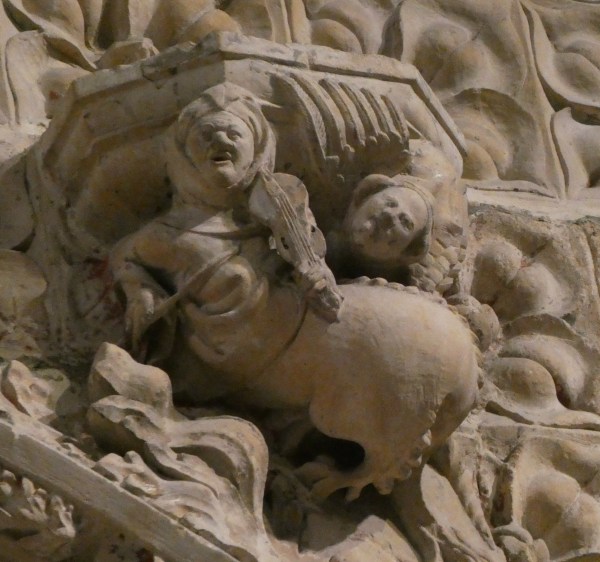
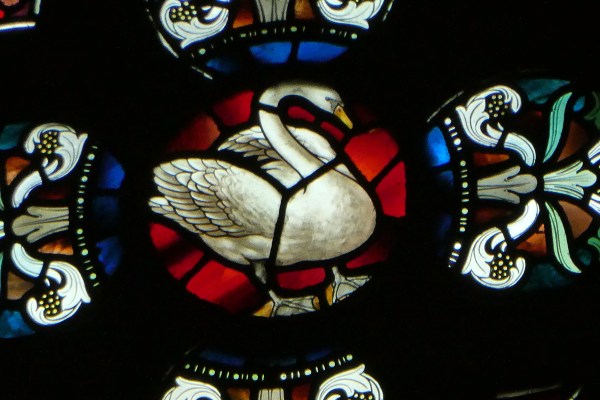
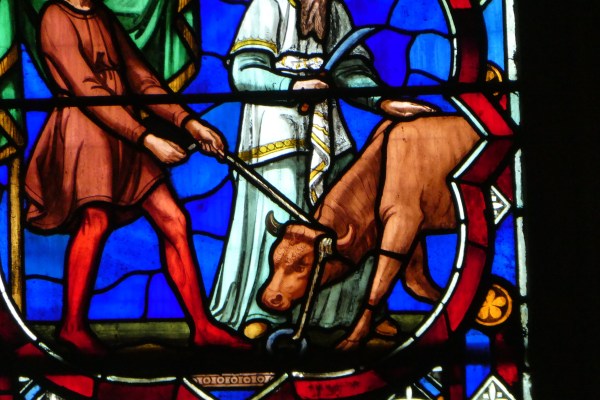
Amidst the magnificence and awe-inducing grandeur of cathedrals like Lincoln, I always delight in finding the small and hidden. Here are some of Lincoln’s treasures…
We left Whitby around the middle of the day for a leisurely drive across the North Yortk Moors and down to Lincoln, a new city for me. Unfortunately our AirB&B accommodation failed to materialize. We wound up stranded in Lincoln late in the day, moving from one WiFi spot to another (Russ consumed a lot of liquid in the cause) waiting hopefully and then increasingly desperately for a message that never came. In the end, just as we were contemplating a night in the car, we secured a nice top floor room in a guest house, spotlessly clean, breakfast included!
The following morning we were off early to see Lincoln Cathedral. I’ve been to many cathedrals in Britain and Europe over the years but I have to say Lincoln is awe-inspiring, all the more so for being so far off the well-beaten tourist track. Building began around 1074 under Bishop Remigus. An earthquake in 1185 brought down much of the building (though some of the original work is still clearly visible) at which point Carthusian monk Hugh of Avalon assumed the bishopric and began the transformation of the building into what we see today.
The third largest English Cathedral, and undoubtedly one of the most enjoyable to visit. Lincoln Cathedral is one of the high points of Gothic architecture; a superbly harmonious showcase of decorative art. The west front, with its Norman arches set in a 13th-century screen, is quite simply stunning. The wealth of statuary detail alone is worth hours, if not days, of examination (thanks Wikipedia)
These two photos are not mine but I need to include something to indicate the sheer magnificence and audacity of Lincoln Cathedral.
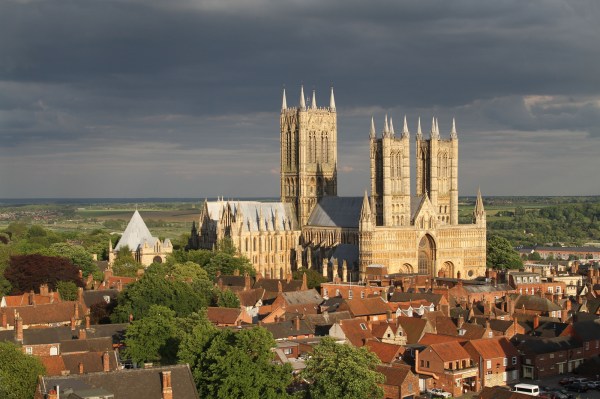
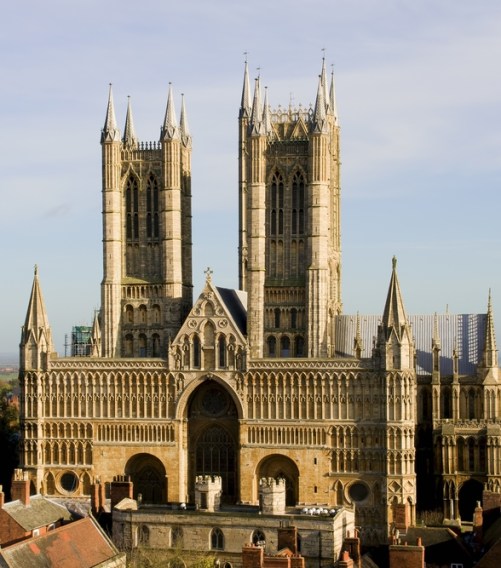
We walked around the outside first to get a sense of context and exterior drama. Lovely old ecclesiastical buildings flanking the cathedral on all sides, embracing it in much the same way that the moles at Whitby harbour reach out to embrace incoming boats. Hardly anyone else around. Then inside to marvel at an age that could both contemplate and construct such a feat of engineering and a work of many many arts. We joined a talk given by an older gentleman who filled in some of the history and pointed out features of which we would otherwise have been unaware.
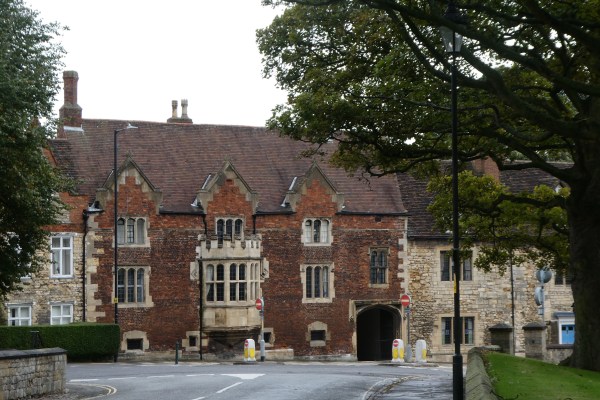

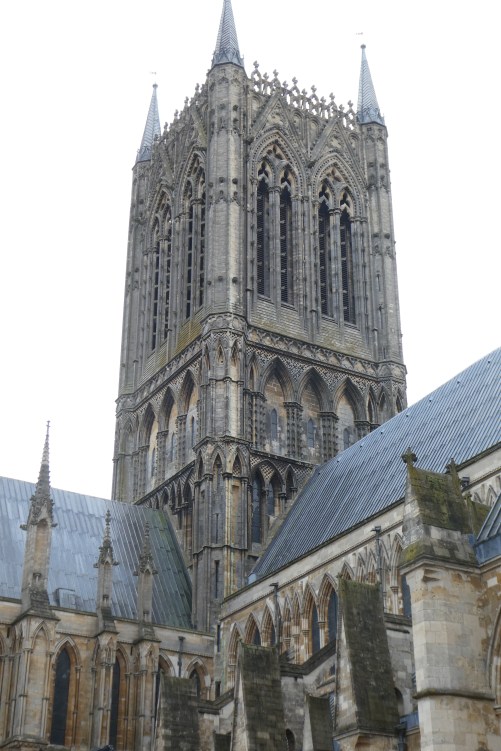
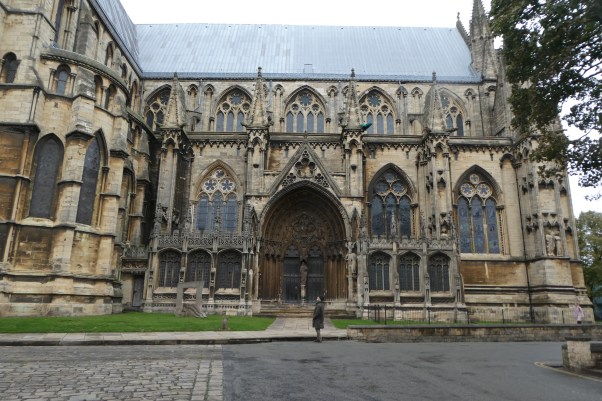
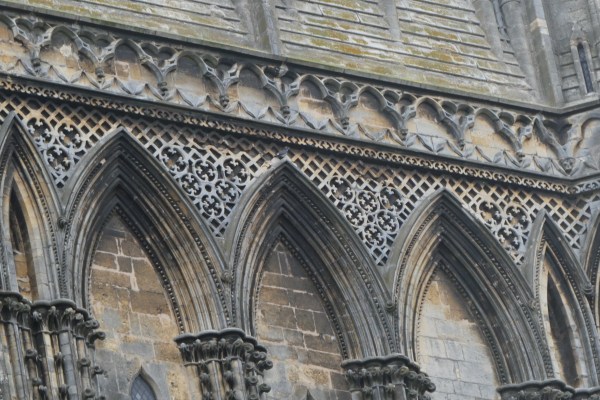
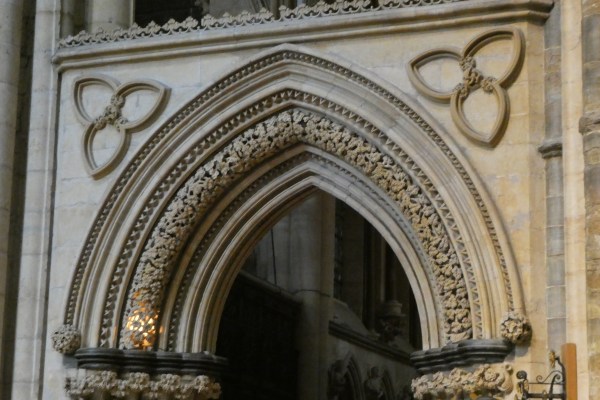
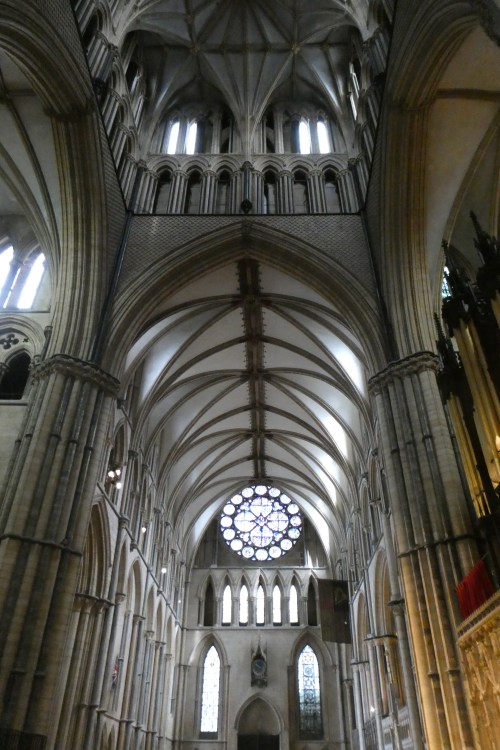
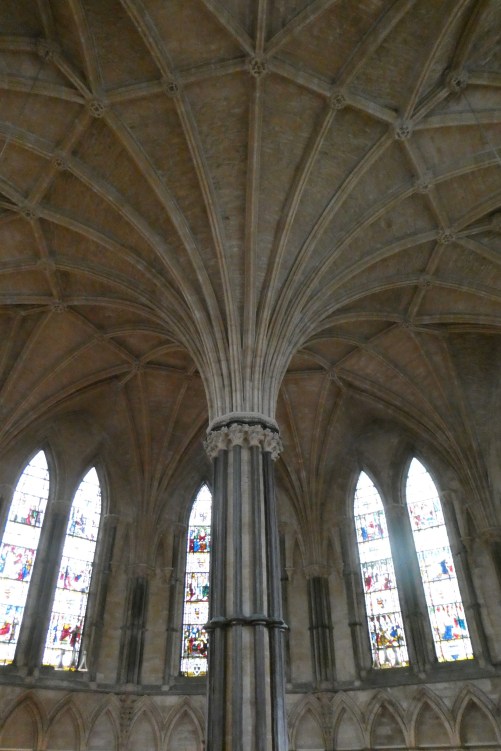
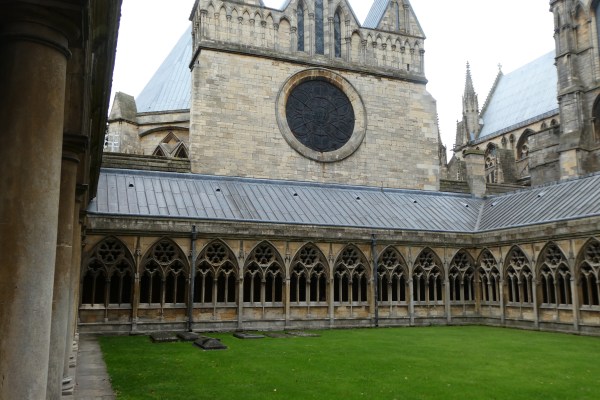
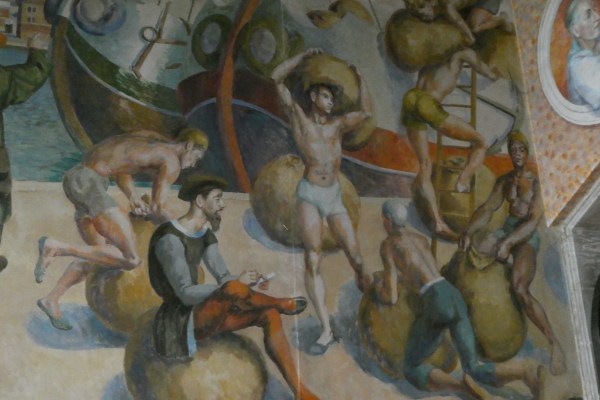
We visited the Chapter House, had tea, a pasty and a pork pie in the cloisters café and then went to see the very early printed books housed in the especially designed Wren library. We were also delighted by the Russell Chantry which features decidedly secular – and somewhat erotic – murals painted by Bloomsbury Group’s Duncan Grant 1956-58.
We left Lincoln reluctantly early afternoon to skirt The Wash, past Kings Lynn, past Fakenham and on the Wells-next-the-Sea on the north Norfolk coast – chosen because it had a youth hostel and offered us proximity to Norwich. The drive was interesting for the extensive market gardening area at the southern end of The Wash, quite unlike anything I have seen elsewhere in the UK. Brassicas seemed to predominate. Also, as we approached Well-next-the-Sea, evidence of extensive barley production for brewing, that evidence first manifest in the hoppy brewing aroma we could pick up even inside the car!
Tuesday 18
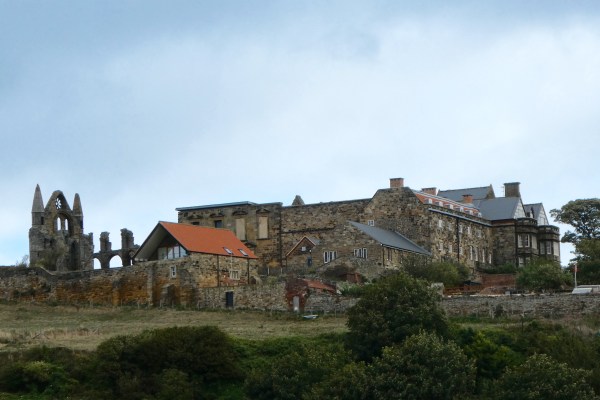
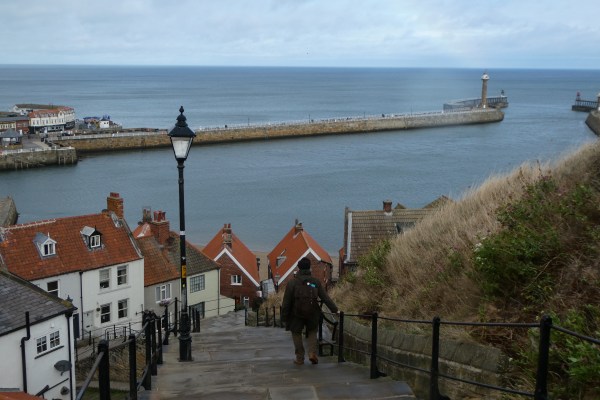
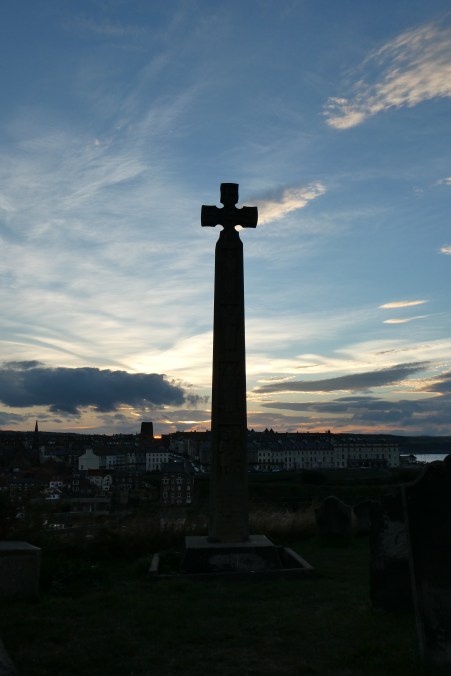
Today in Whitby, home of the Whitby collier, Captain Cook’s apprenticeship, dramatic abbey ruins, fishing boats, smoked kippers, Whitby jet jewellery and a wonderful, embracing harbour. Whitby is bounded by the North Yorkshire Moors and the sea – which makes it, at least in times past, particularly inaccessible. I came here first in 2010 and loved it.
After breakfast we packed the car, left it in the long stay park up near the abbey and came back down the 199 steps to the waterfront.

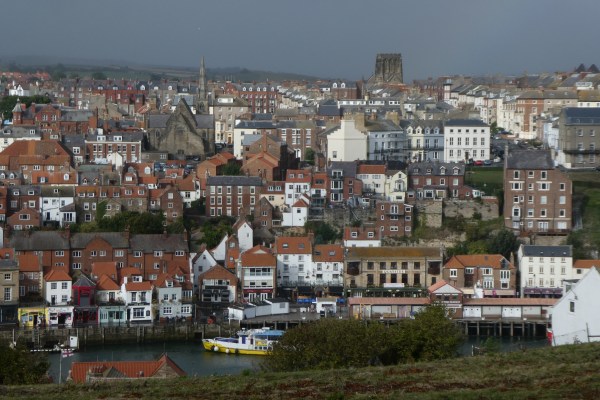
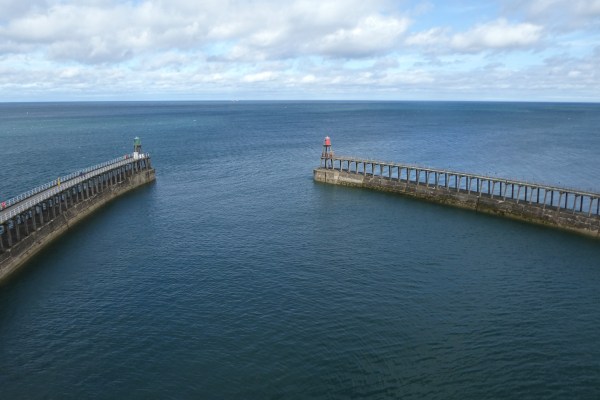
We wandered, enjoying the houses, the people, the dogs, the boats – though not as the morning went on, the increasing crowds. We went out to the harbour moles and walked along to the end, also up the tower at the very end of one mole for an even more extensive view. It was a balmy day but the wind was very blustery. Didn’t feel it would take much more to blow us off the jetty. The construction and appearance of the moles is remarkable. Reminds me of the Doris Lusk paintings of the jetty near Collingwood (which was what first really sparked my fascination with derelict jetties…).

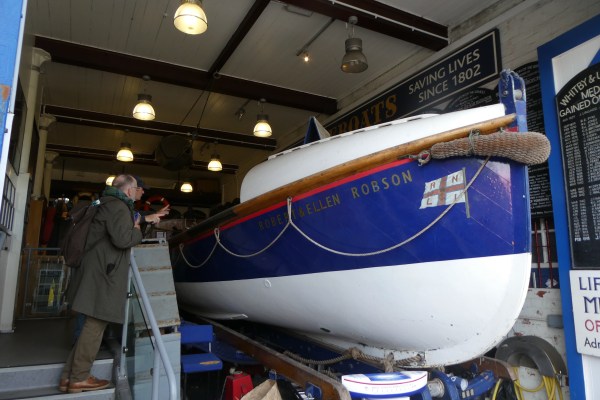
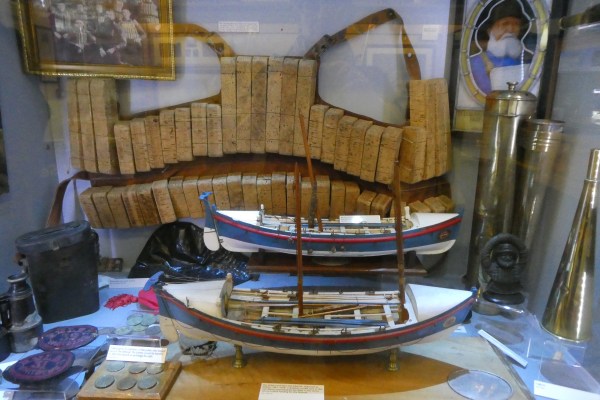
We called in to the Lifeboat Museum which had so impressed me in 2010. One of the best small museums I have seen and very moving. Then lunch away from the tourist traffic and a sit on the waterfront, Russ painting and me writing. The painting tends to attract interest and then conversation, so in fact not much painting gets done! Everywhere (Wales, Scotland, England) we have found locals very willing to chat, once the ice has been broken. English reserve? Nah.
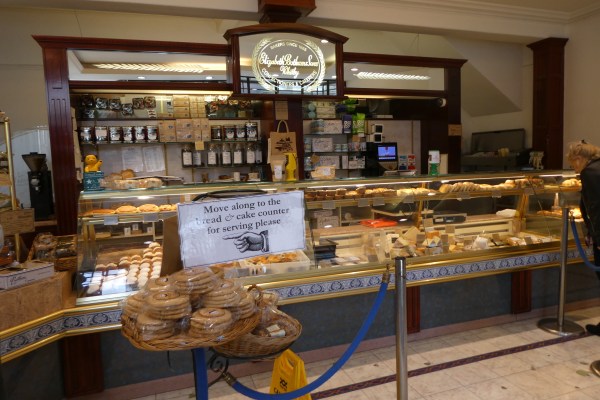
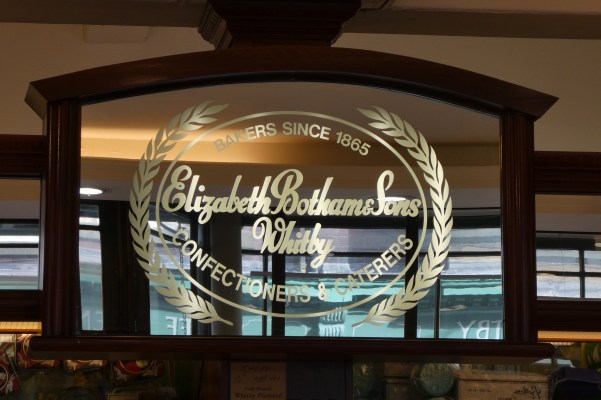
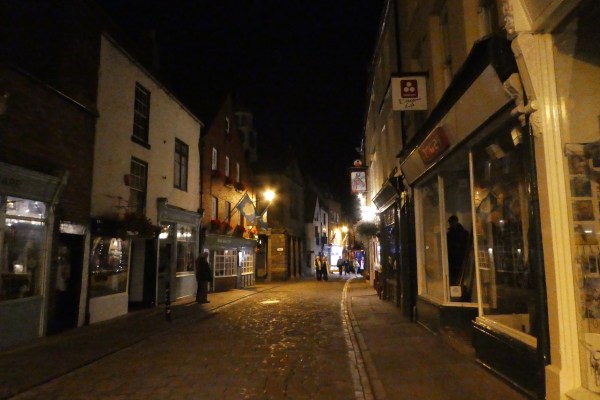
Evening, a remove to the other side of the harbour and an AirB&B stay with Hazel who lives in one of the tall, skinny, Victorian? Houses up on West Cliff, probably built for a sea captain. Hazel, an interesting woman who had worked in mental health pre-retirement. We found a very lively, interesting street just round the corner to which we returned the following morning for a proper, genteel morning tea (with an eccles cake for me) at Bothams.
Monday 17th
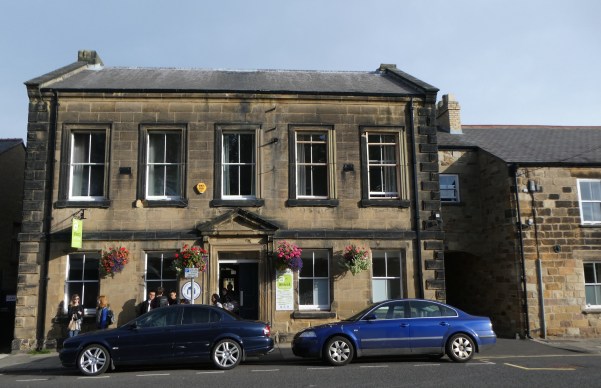
Sunday evening we arrived in Alnwick for a night in the Youth Hostel – ex old Court House. Lovely welcome, VERY compact room, enough to swing half a cat. Plus a bell clock that chimed every quarter hour and the full works on the hour! The following morning we explored the very pretty town – lovely yellow sandstone buildings, many quite, and some very, old. We chose not to go to the castle or gardens, preferring to avoid the throngs and do our own thing.
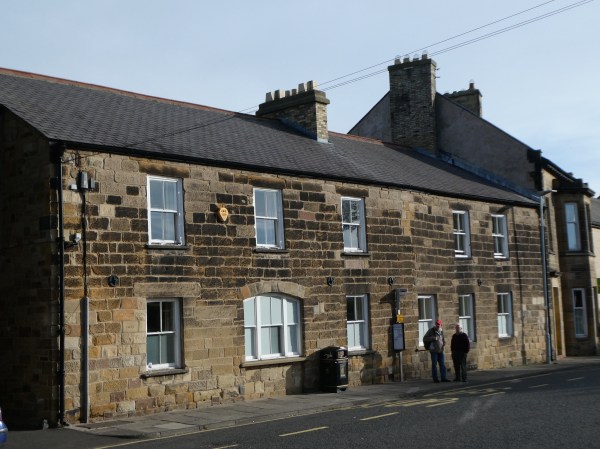
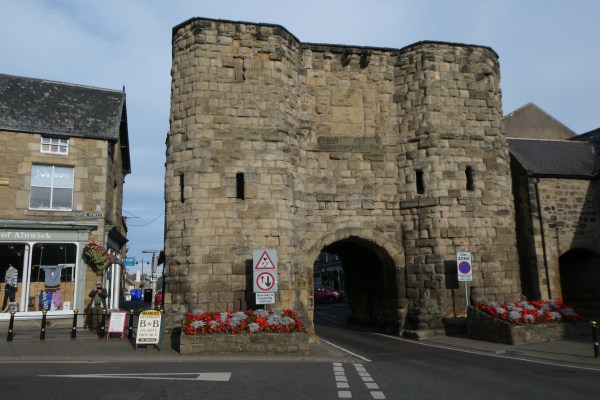



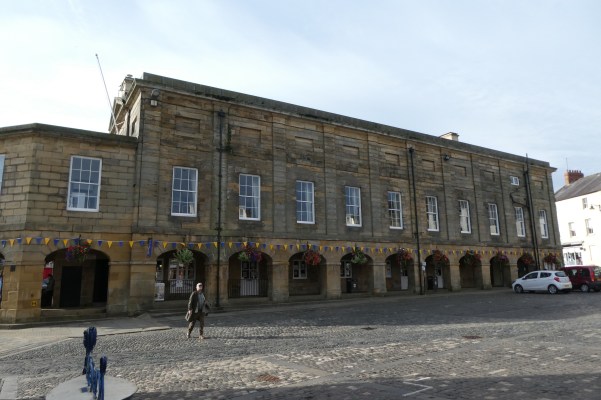
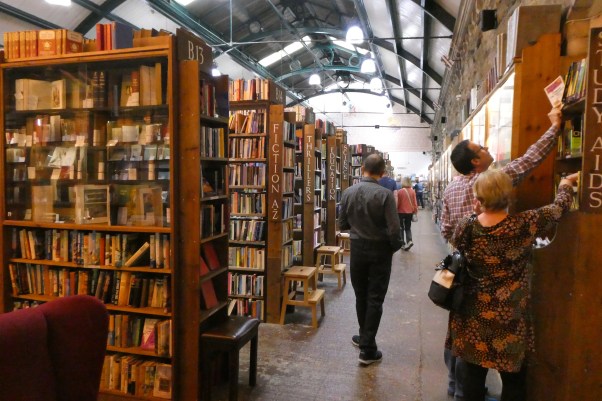
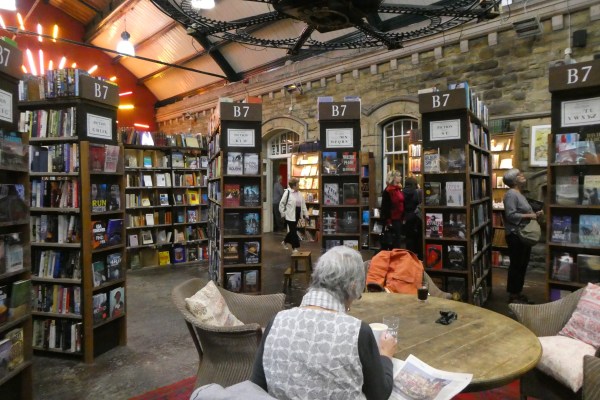
We ended up at Barter’s Books which occupies the old Railway Station. Amazing bookshop, café – a place to hang out for at least a day. If you were local it would be a go-to place. We didn’t buy any books – already have too many to carry home!
On from Alnwick south around the Teeside area and then east across the very top of the North York moors to Whitby. Herbert (our SatNav) took us up to the abbey high above the town where the Whitby Youth Hostel is housed in a grand old mansion. We got a much better room – more spacious and with beds that didn’t creak and threaten to come adrift in the night.
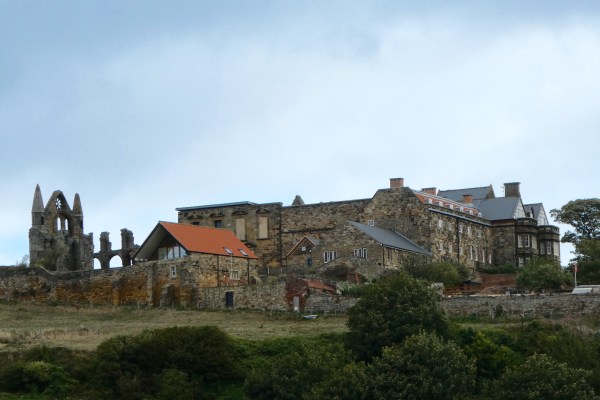
Russ had a look at the abbey while I secured accommodation for the following night, having failed to book the two nights I assumed we had. Then out past the abbey in the twilight and down the many steps to the abbey side of the town where we found somewhere to have – fish ‘n chips!! Up the steps again (working off dinner) with the town lights spread out below us and a much better night’s sleep for me.
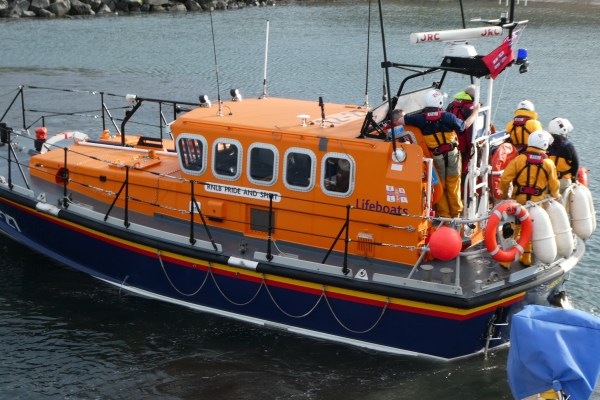
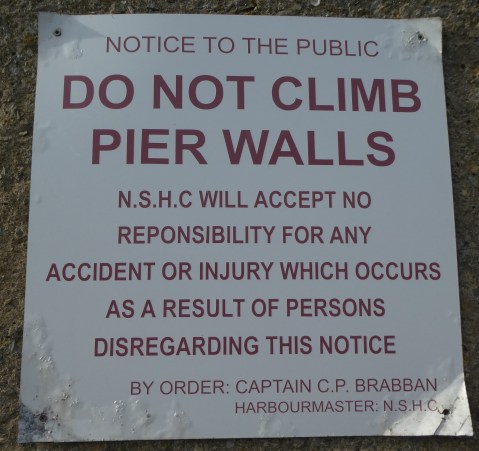
After Lindisfarne and en route to Whitby we stopped late afternoon at Seahouses, mostly because we liked the name and associated it with the Farne Islands just offshore. A seaside holiday town, what really caught our attention was the local volunteer lifeboat returning from exercises at sea. We were lucky to catch their arrival back in the harbour and then the process of hauling the boat out of the water to storage in a nearby boatshed. Conversations with a couple of the volunteers fleshed out our understanding of the role they play.
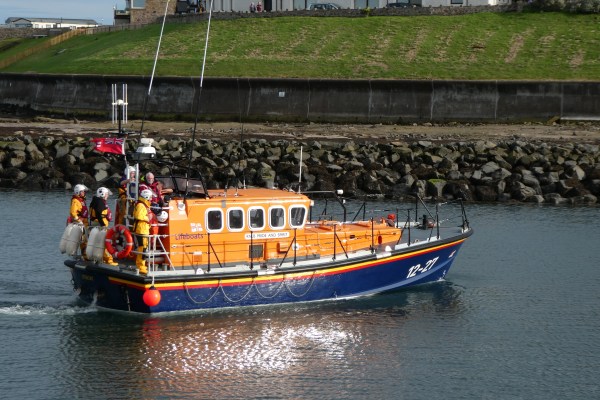
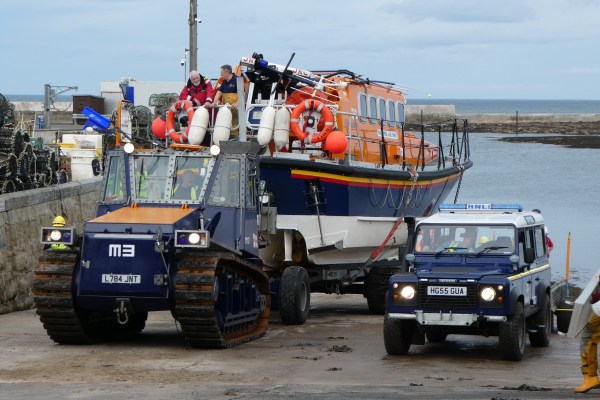
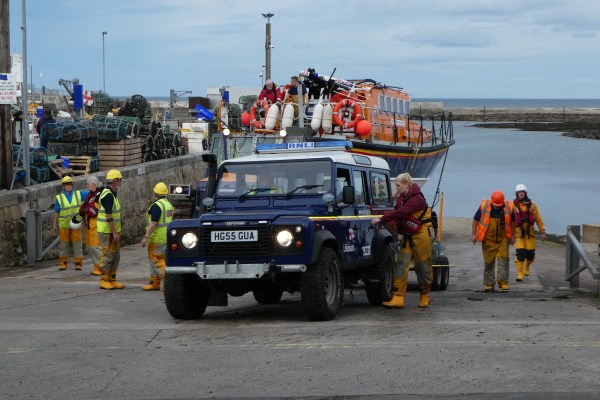
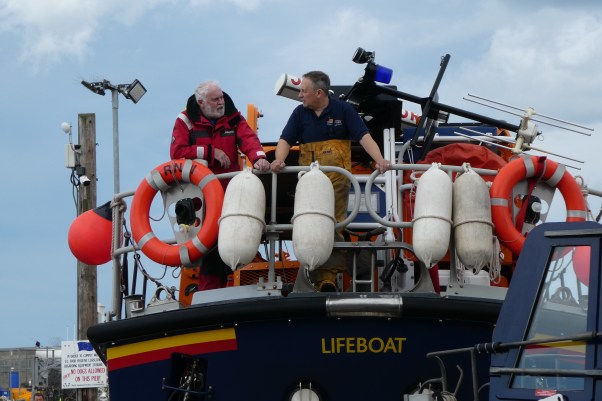
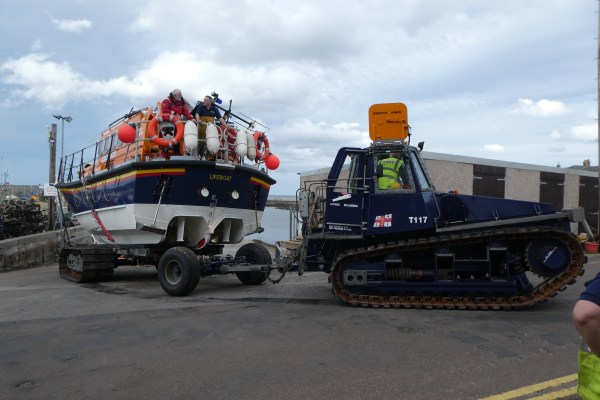
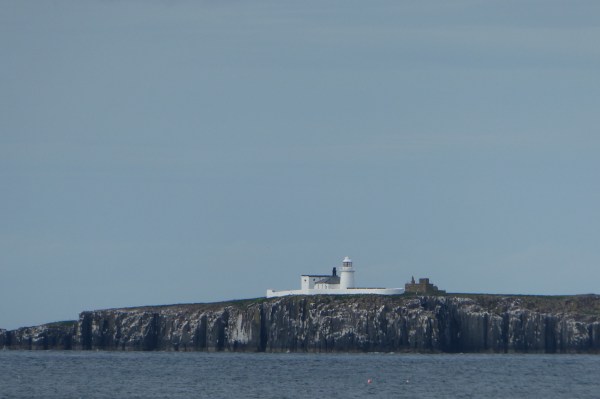
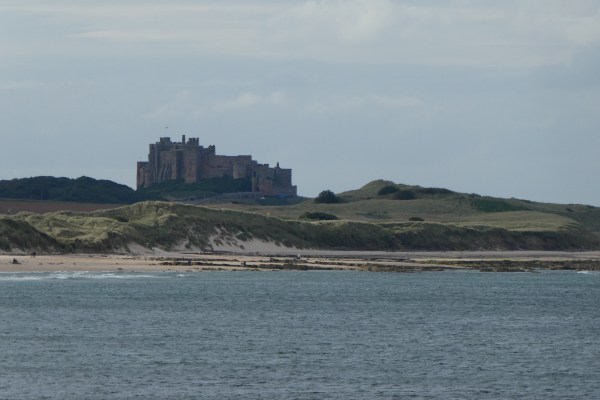
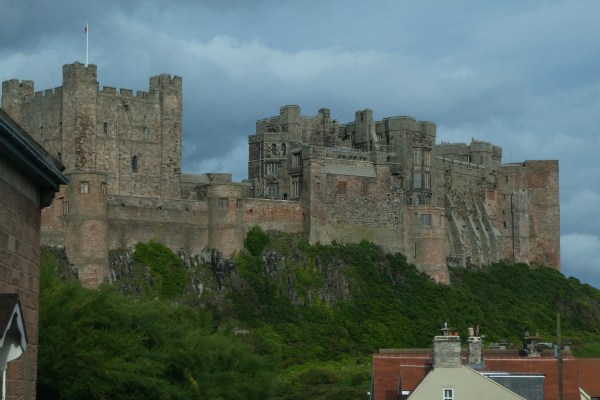
From the harbour walls we could look out to the Farne Islands, now a bird sanctuary, and also back to the pile that is Bamburgh Castle which we could see from Lindisfarne and had passed en route to Seahouses.
Sunday 16 September we leave Stirling and Scotland. Sadly because a little bit of my heart is always there. I first drove over the border in 1979 in my trusty Morris Minor, beetling up to Youth Hostels all over Scotland. My last visit in 2015 took me, amongst other places, to the Shetland Islands. And there have been several Scottish returns in between.

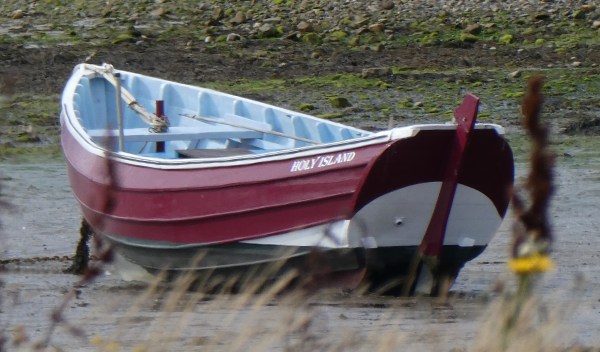
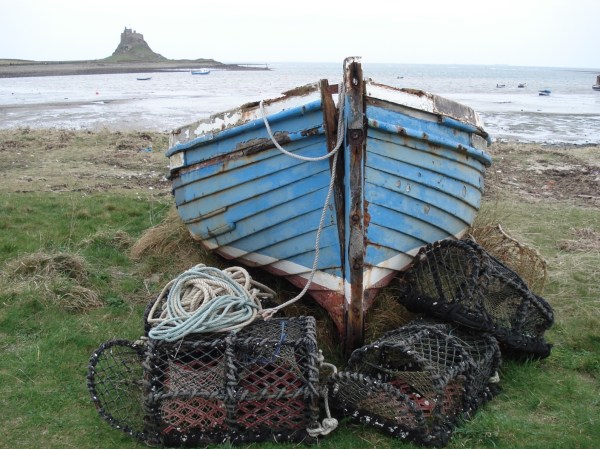
We skirted Edinburgh, running parallel to the Firth of Forth towards the east coast and an overdue loo-stop at Dunbar. Then south-east, skirting much-contested Berwick-on-Tweed to arrive at The Holy Isle – or Lindisfarne. I first visited the island in 2010 when I was house-sitting in York and was looking forward to a return visit with Russ.
Our arrival timed to catch the retreating tide, we drove over the causeway about 11.30am, tea-ed up and set out to walk across the flats to the 16th century Lindisfarne Castle, modified by Edward Luytens in the arts and crafts style at the beginning of the twentieth century for owner Edward Hudson. The castle is undergoing a major restoration to combat the ravages of wind and sea – but the result for us was that we could wander through unencumbered by the usually present furniture – meaning it was much easier to see the interior structure. Also there were fewer people there – probably on account of the restoration work.
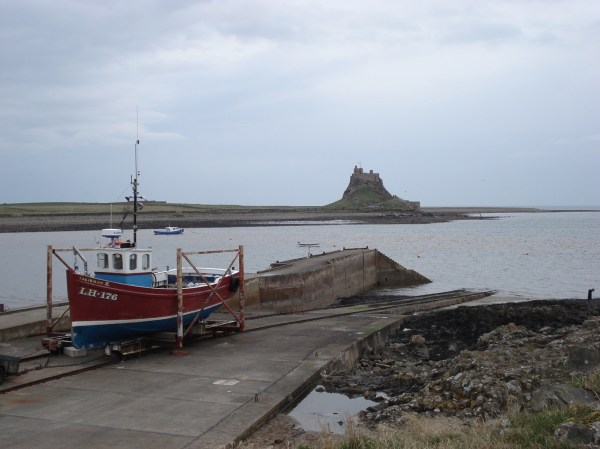
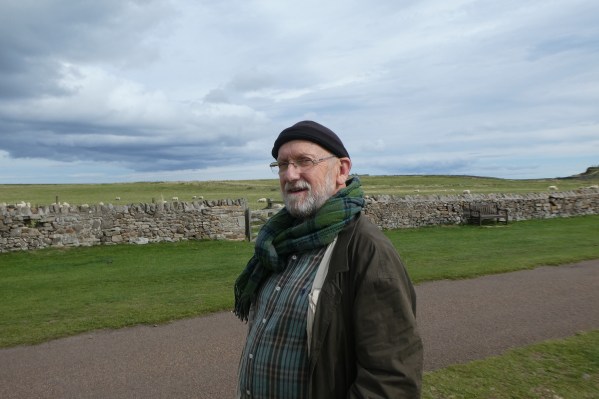
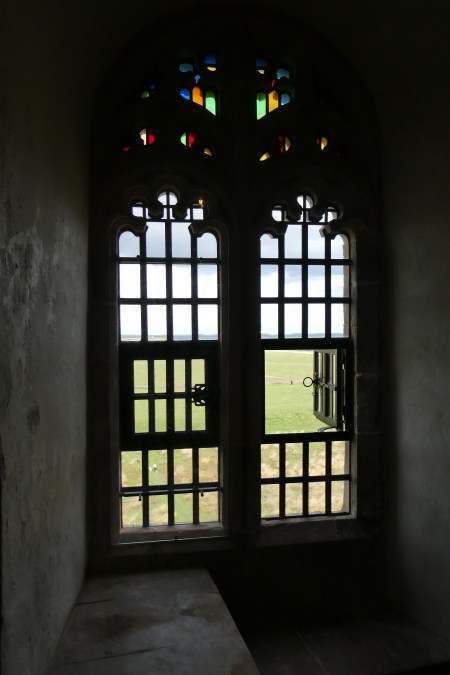
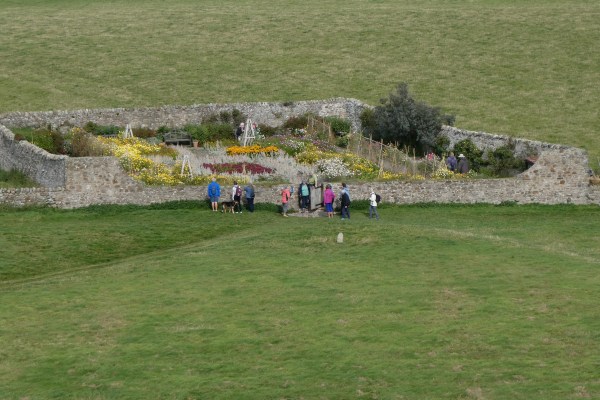
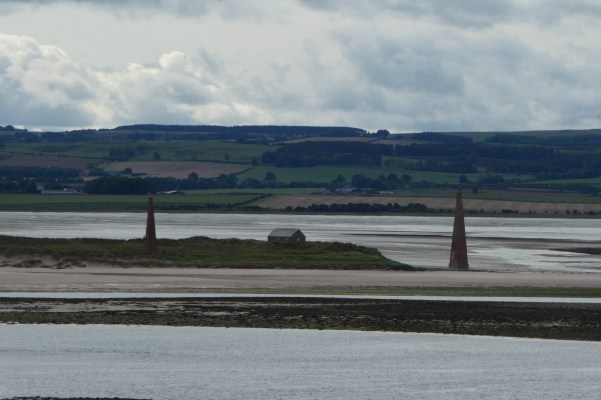
We looked back to the village and priory; in a seawards direction to the old lime kilns; north (I think) to Gertrude Jekyll’s little walled garden and east (maybe) to the intriguing channel markers. There too, on the sandy flats, were – so the NT man said – 600 seals basking altogether. We could see them, looking just like rocks.
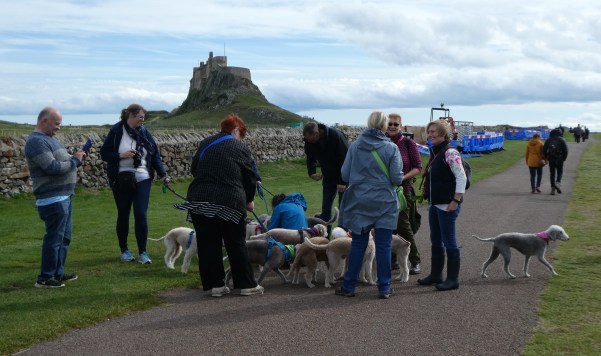
I didn’t mention the Bedlington terrier party – heaven knows how many BTs with their owners all on a day out. It was the funniest thing – the owners all chatting and the dogs definitely getting to know one another better!!

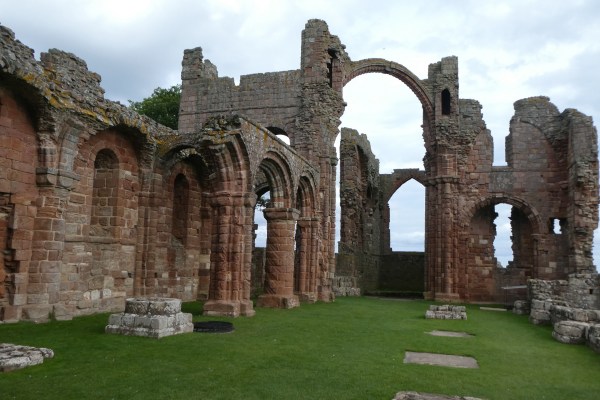
Back in the direction of the little harbour and village to visit the priory. The monastery of Lindisfarne was founded by Irish monk Saint Aiden, who had been sent from Iona off the west coast of Scotland and founded the priory before the end of 634. The priory church that we see today, along with part of the domestic accommodation, was built in the 12th century and extended in the 13th. The whole complex is hauntingly beautiful and surprisingly large. This remote, water-bound outpost became one of the most important religious and political centres in Anglo-Saxon England.
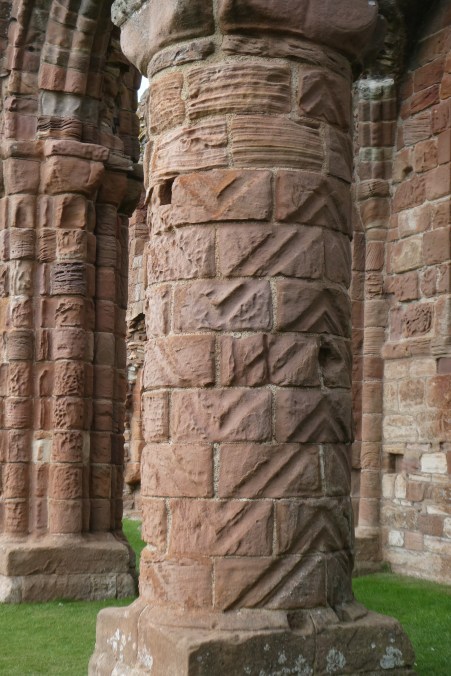
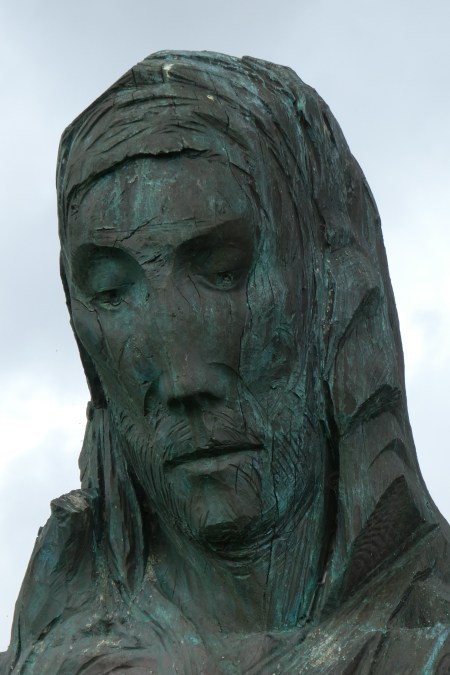
On our way back to the car park we bought fresh raspberries grown on the island!
Back across the causeway before access would be cut off post-6.00pm and a drive further south to Alnwick where we were to stop the night in the Youth Hostel.
It’s difficult keeping up with a blog when you’re on the move and exposed to so much that is new. Anything I write tends to fall into the ‘and then… and then… and then…’ category and/or relies way too much on photos because they are a quick and easy way of telling a story. Often I just don’t know how to continue because so much has intervened in just the course of a day.
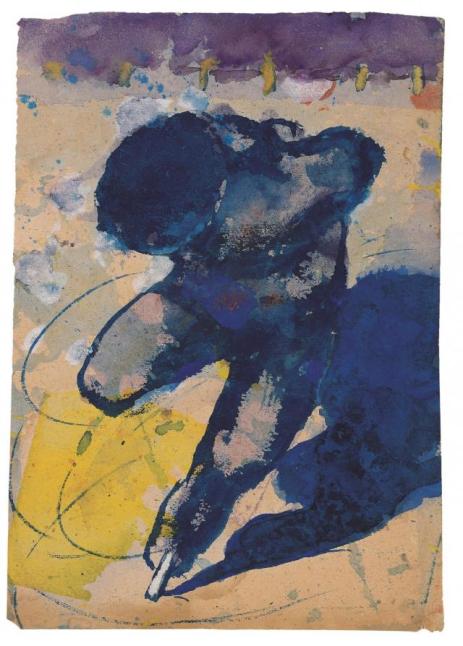
So, on our one full day in Edinburgh, after the riches of the Music Museum, the Dovecot Tapestry Studio and the Liberty Art Fashion and Fabrics exhibition, we ended our already overflowing day at the Scottish National Gallery of Modern Art to see the Emile Nolde exhibition Colour is Light. And the colour was magnificent. I do struggle with Nolde’s interest in the grotesque (Otto Dix also comes to mind) but there was much to enjoy and be challenged by in these expressionist paintings.
I didn’t take photos – which mercifully are not welcome in the Scottish galleries. These are downloaded from the gallery website.
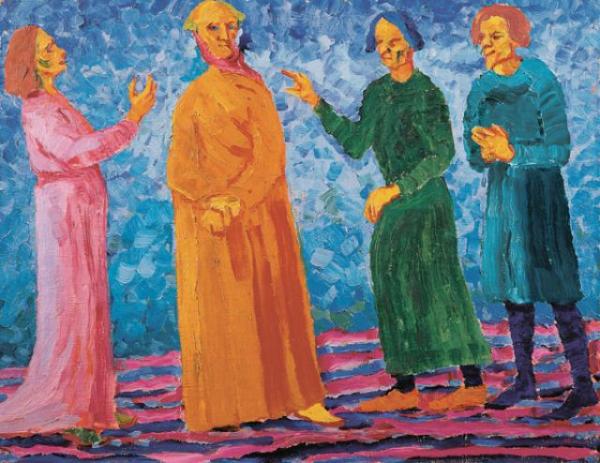
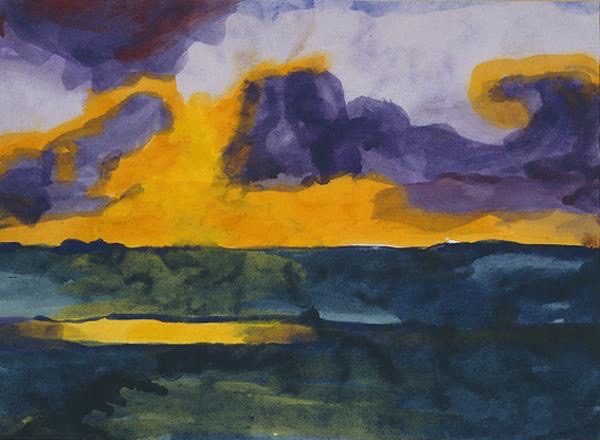
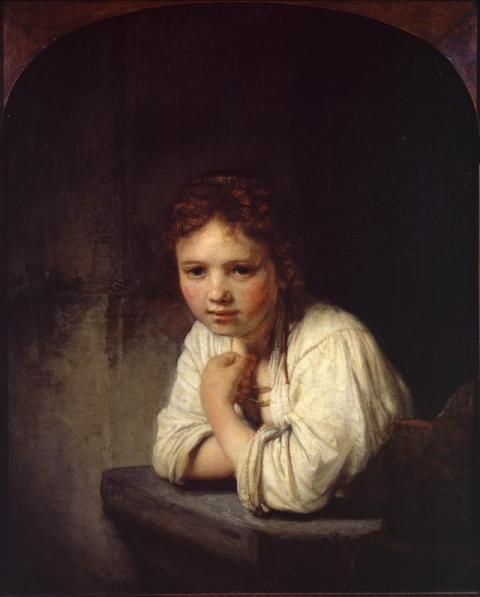
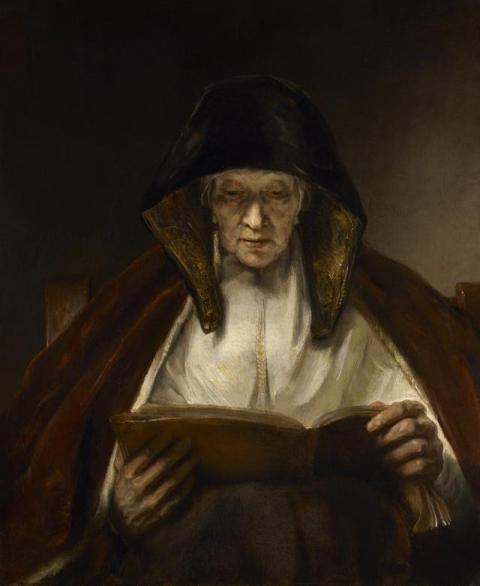
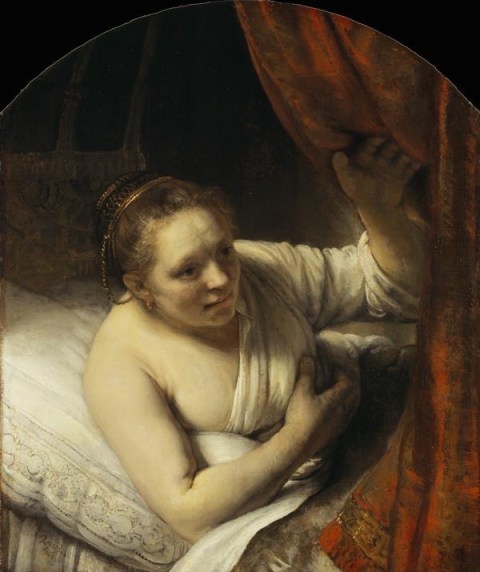
 A further part-day in Edinburgh saw us at the National Gallery to view a Rembrandt exhibition as well as to look at parts of the regular collection. The aim of the exhibition was to showcase Rembrandts alongside “the many British artists he inspired, such as William Hogarth, Joshua Reynolds, Henry Raeburn, David Wilkie, Jacob Epstein, John Bellany, and Frank Auerbach”. I would have preferred just the Rembrandts on their own, finding the others something of a distraction – though of course the exhibition did show just how much of an influence Rembrandt was on these artists. My love is always the portraits…
This trip has been very much about catching up with family and friends. Its trajectory has been based on that – though sadly there are other good friends whom we will not get to see. It has also been about Russ and me travelling together for the first time and sharing with each other special, familiar (and unfamiliar) places in the UK. That has been a great pleasure.
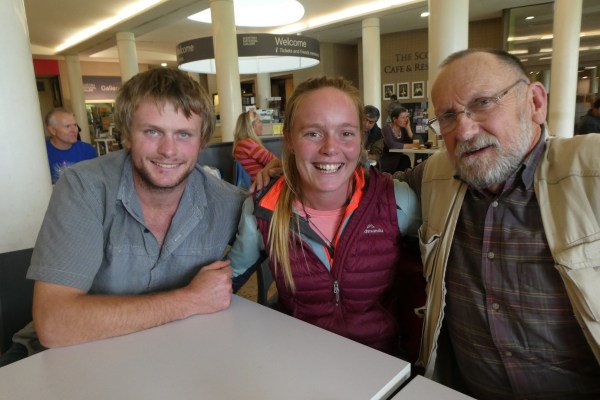
So in Scotland Russ has caught up with Harry in Edinburgh, we both met Marjorie at the Willow Tea Rooms in Buchanan Street, Glasgow and, unexpectedly, we crossed paths with Annika and Morgan, meeting up at the National Gallery in Edinburgh.
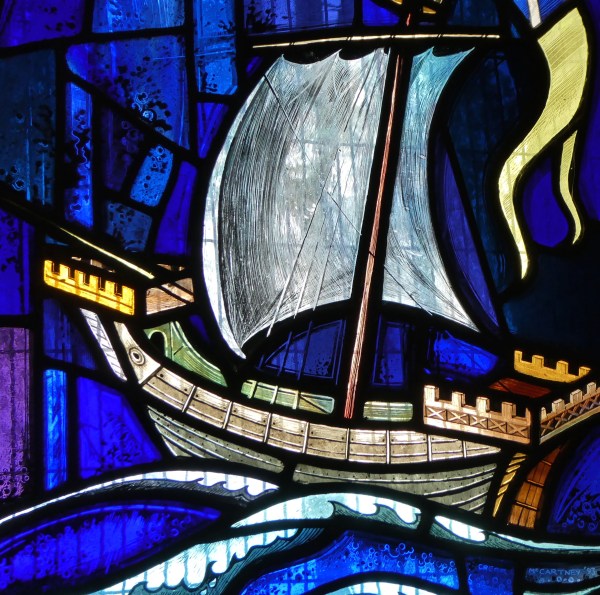
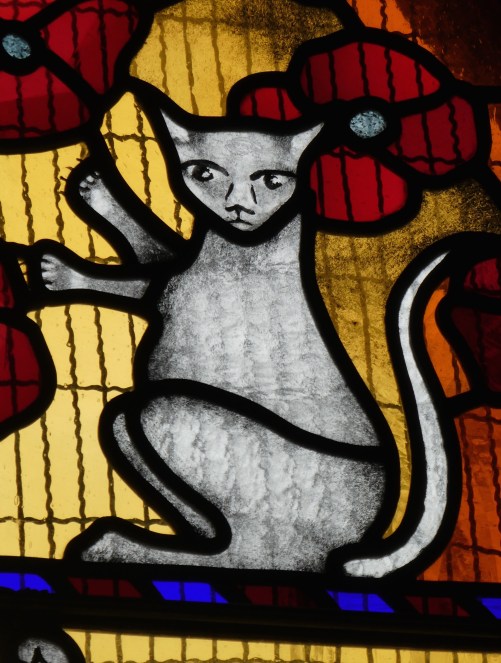
Often the small and quirky trumps the large and grand. Out and about in Stirling, Edinburgh and Glasgow…
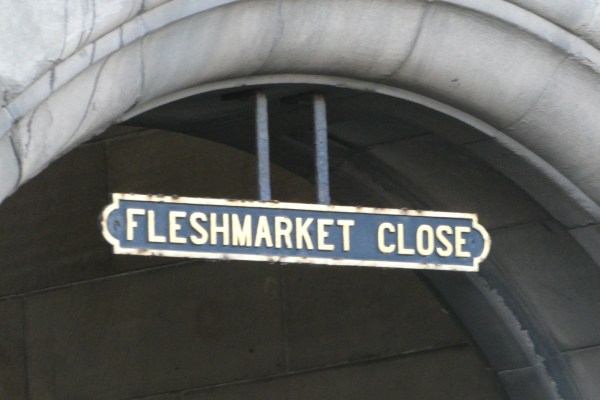
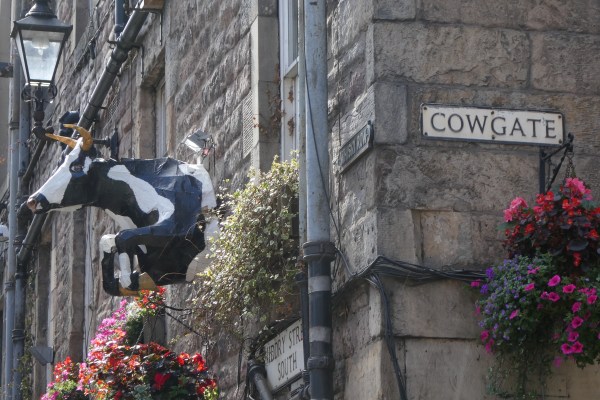

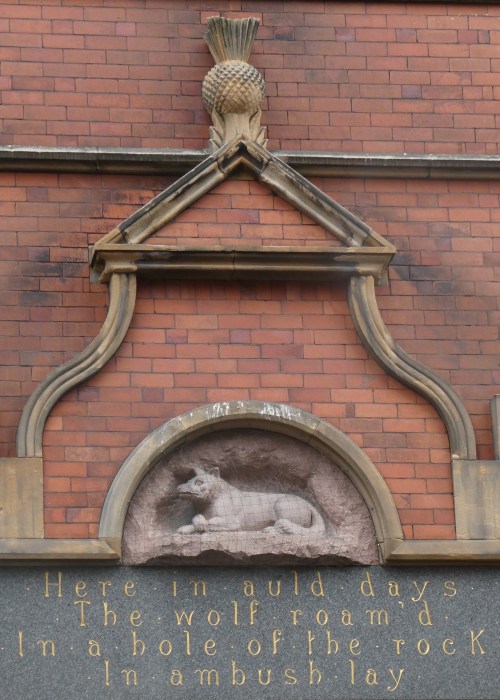
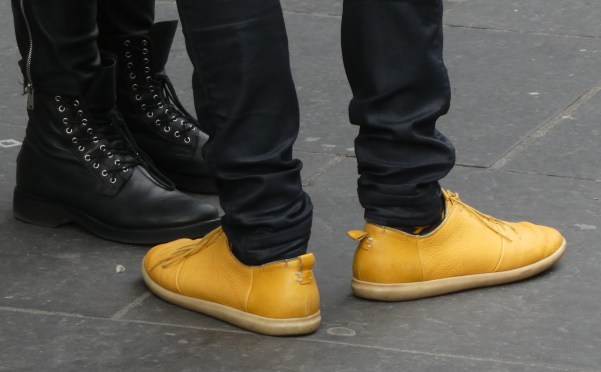
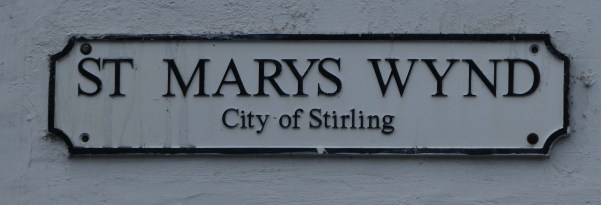

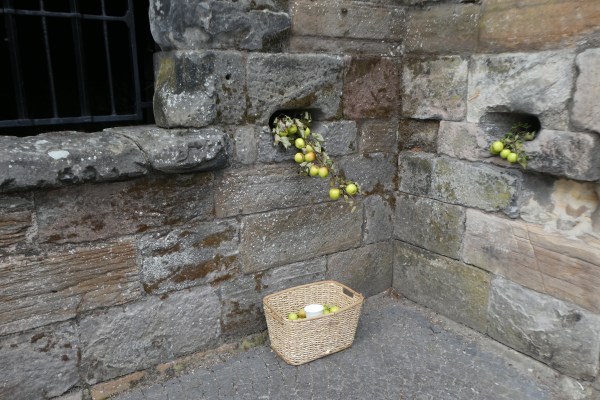
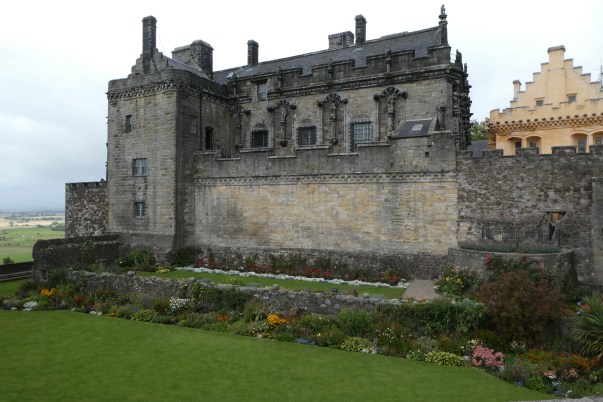
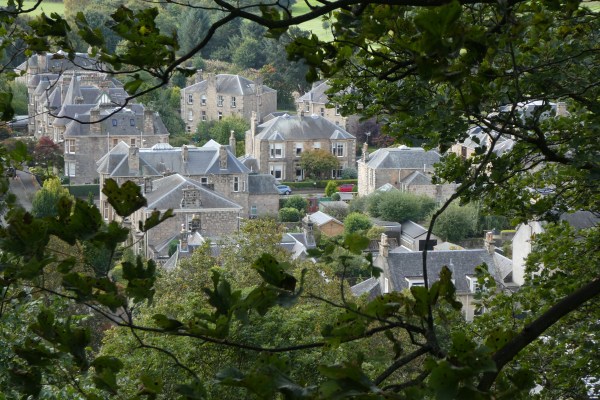
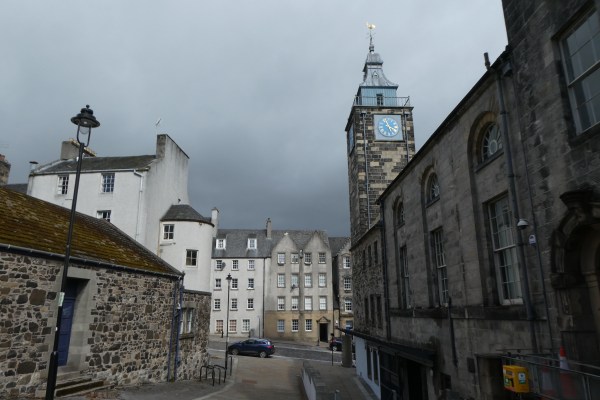
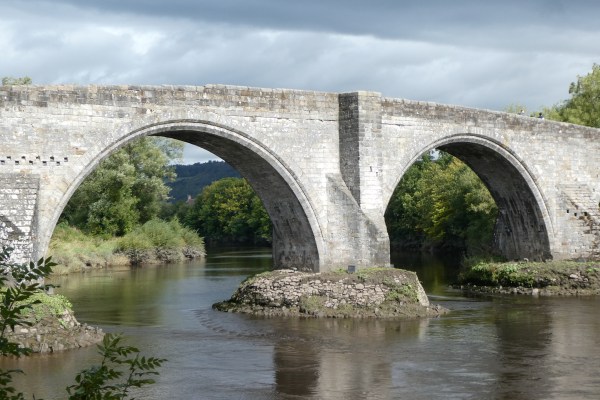
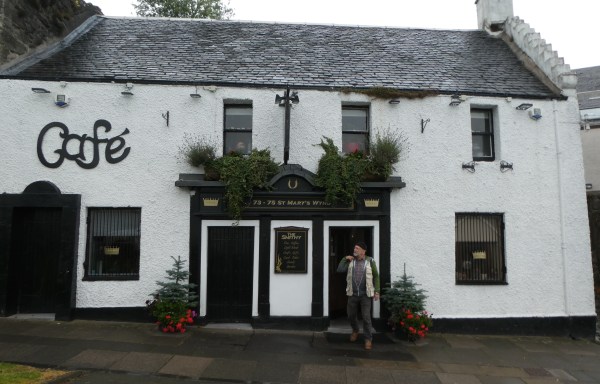
We have been charmed by Stirling, in particular the cohesion and integrity of its old town. Not just the castle which is what everyone heads for, but the nooks and crannies, the town walls, the stone and slate buildings, the up and down-ness, the glimpses of distant hills, the sense of national pride reflected in signs, monuments and conversations with locals.
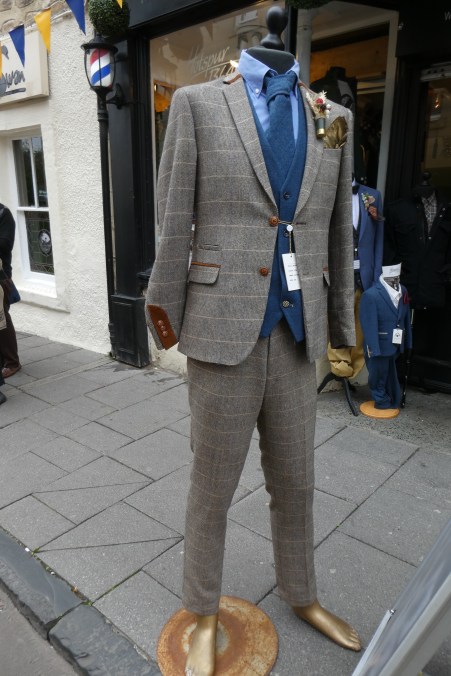
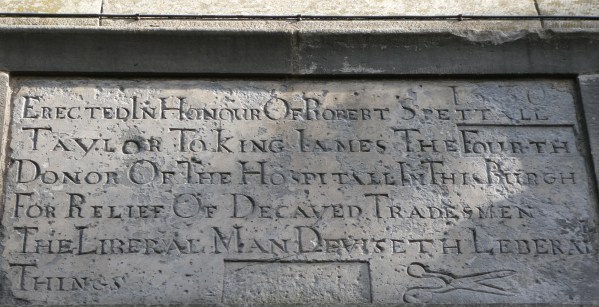
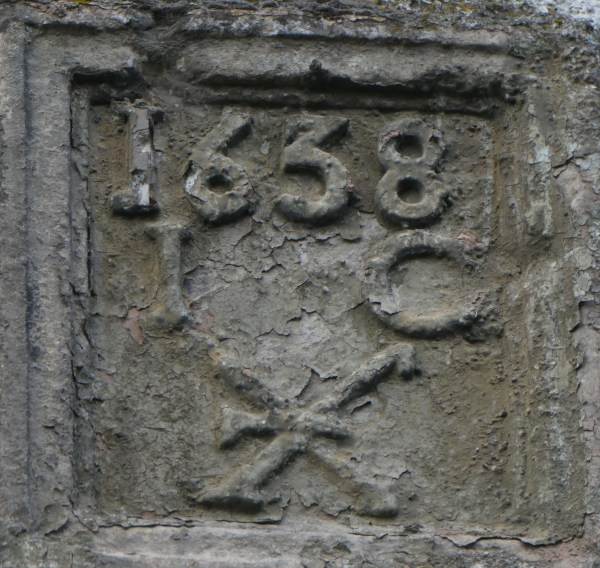
Here are some relatively random shots of our doings in the town…



 JaneRussell journeys