
We left Whitby around the middle of the day for a leisurely drive across the North Yortk Moors and down to Lincoln, a new city for me. Unfortunately our AirB&B accommodation failed to materialize. We wound up stranded in Lincoln late in the day, moving from one WiFi spot to another (Russ consumed a lot of liquid in the cause) waiting hopefully and then increasingly desperately for a message that never came. In the end, just as we were contemplating a night in the car, we secured a nice top floor room in a guest house, spotlessly clean, breakfast included!
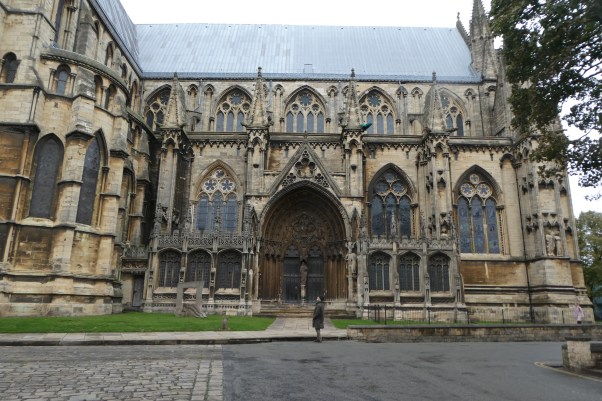
The following morning we were off early to see Lincoln Cathedral. I’ve been to many cathedrals in Britain and Europe over the years but I have to say Lincoln is awe-inspiring, all the more so for being so far off the well-beaten tourist track. Building began around 1074 under Bishop Remigus. An earthquake in 1185 brought down much of the building (though some of the original work is still clearly visible) at which point Carthusian monk Hugh of Avalon assumed the bishopric and began the transformation of the building into what we see today.
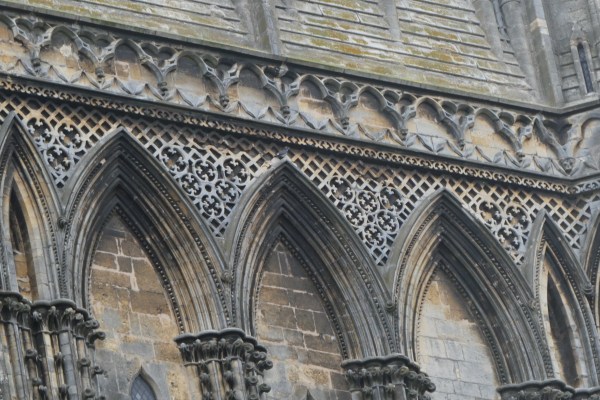
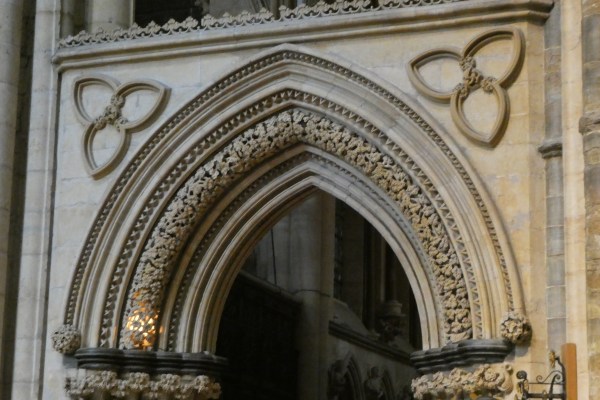
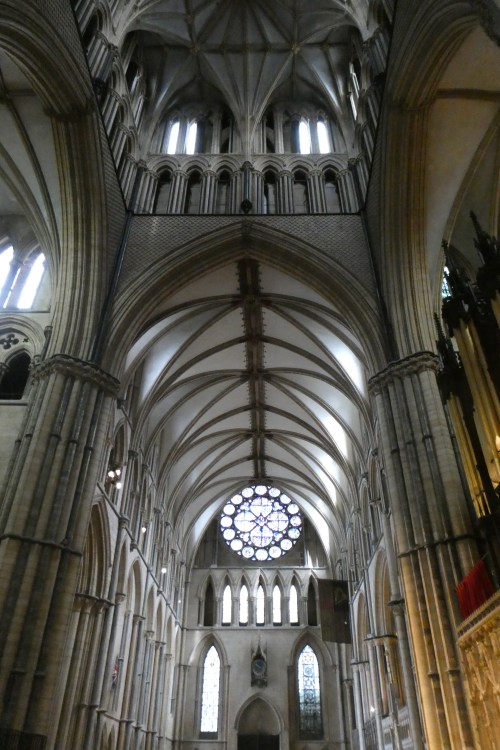
The third largest English Cathedral, and undoubtedly one of the most enjoyable to visit. Lincoln Cathedral is one of the high points of Gothic architecture; a superbly harmonious showcase of decorative art. The west front, with its Norman arches set in a 13th-century screen, is quite simply stunning. The wealth of statuary detail alone is worth hours, if not days, of examination (thanks Wikipedia)
These two photos are not mine but I need to include something to indicate the sheer magnificence and audacity of Lincoln Cathedral.
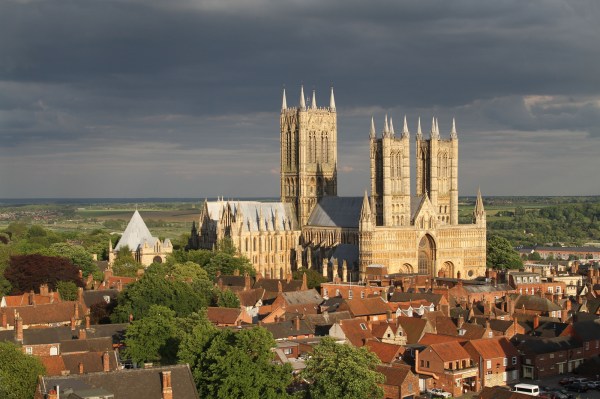
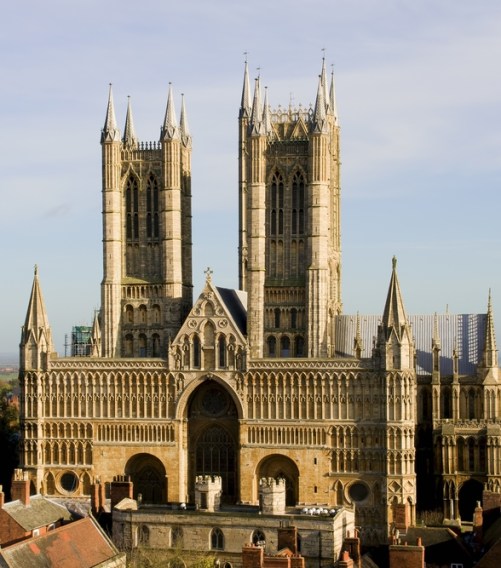
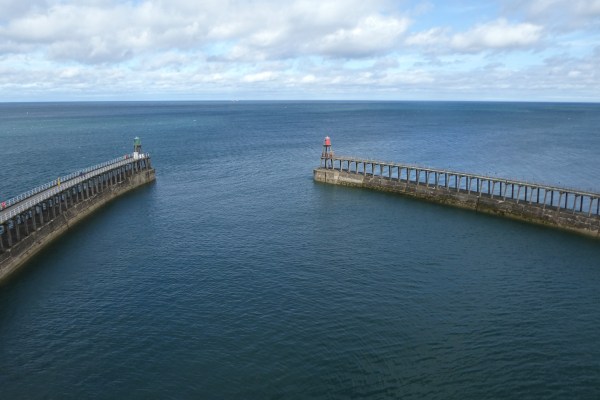
We walked around the outside first to get a sense of context and exterior drama. Lovely old ecclesiastical buildings flanking the cathedral on all sides, embracing it in much the same way that the moles at Whitby harbour reach out to embrace incoming boats. Hardly anyone else around. Then inside to marvel at an age that could both contemplate and construct such a feat of engineering and a work of many many arts. We joined a talk given by an older gentleman who filled in some of the history and pointed out features of which we would otherwise have been unaware.
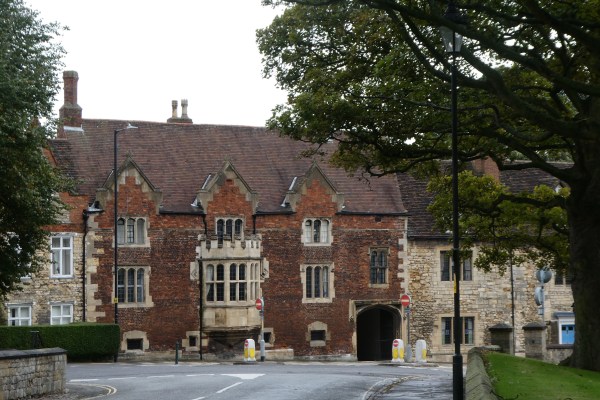

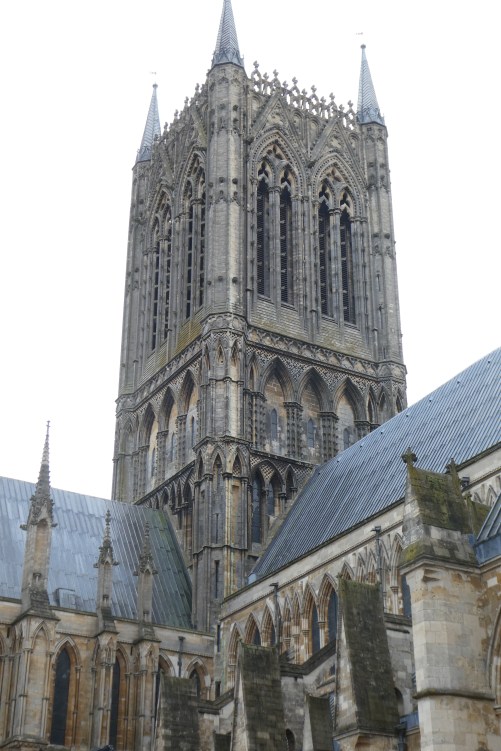
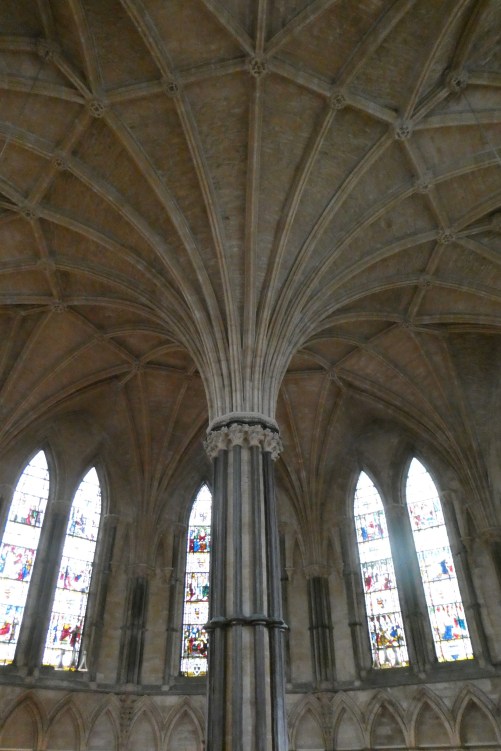
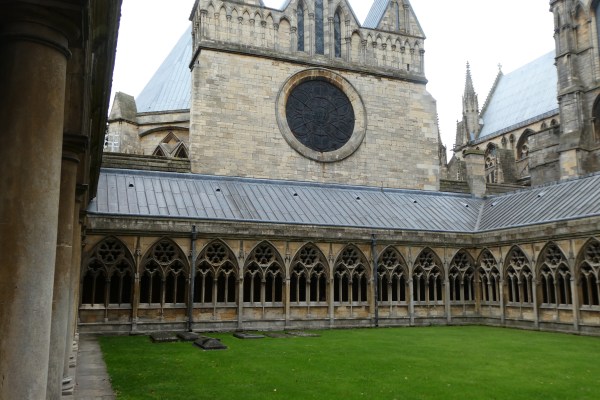
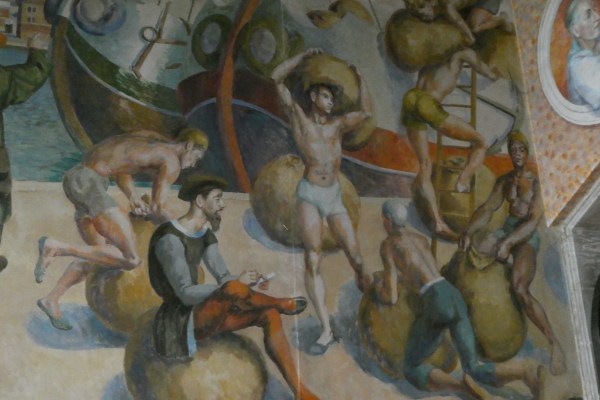
We visited the Chapter House, had tea, a pasty and a pork pie in the cloisters café and then went to see the very early printed books housed in the especially designed Wren library. We were also delighted by the Russell Chantry which features decidedly secular – and somewhat erotic – murals painted by Bloomsbury Group’s Duncan Grant 1956-58.
We left Lincoln reluctantly early afternoon to skirt The Wash, past Kings Lynn, past Fakenham and on the Wells-next-the-Sea on the north Norfolk coast – chosen because it had a youth hostel and offered us proximity to Norwich. The drive was interesting for the extensive market gardening area at the southern end of The Wash, quite unlike anything I have seen elsewhere in the UK. Brassicas seemed to predominate. Also, as we approached Well-next-the-Sea, evidence of extensive barley production for brewing, that evidence first manifest in the hoppy brewing aroma we could pick up even inside the car!







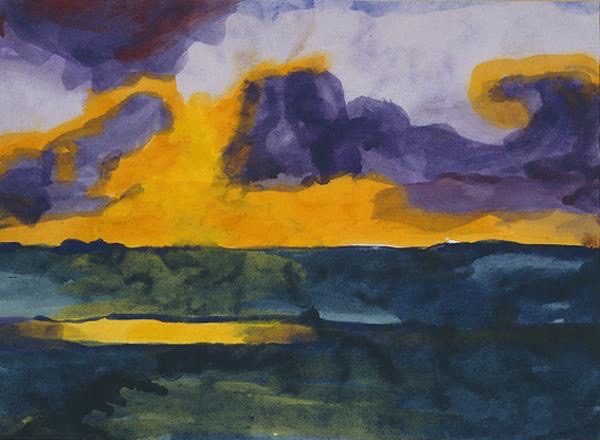
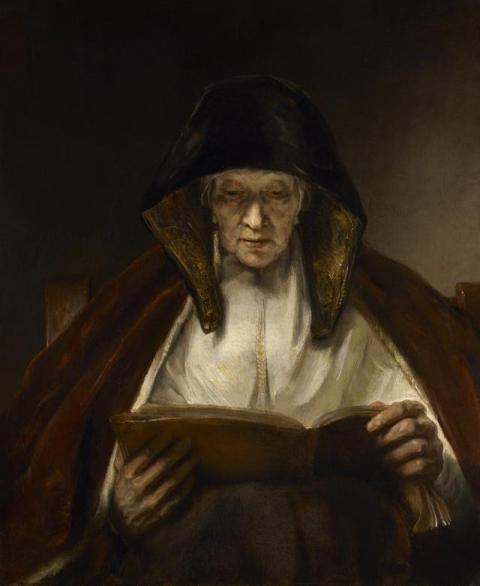
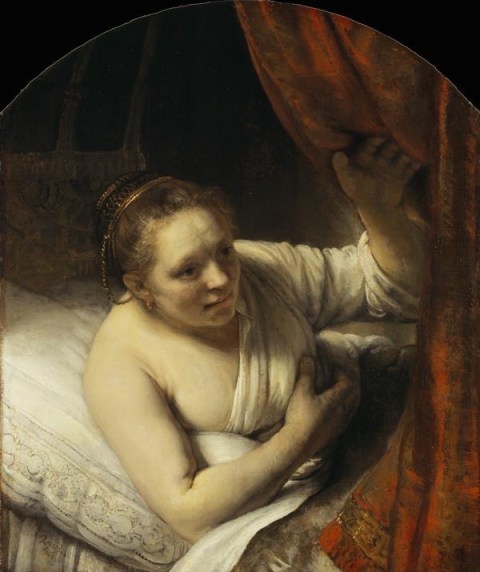
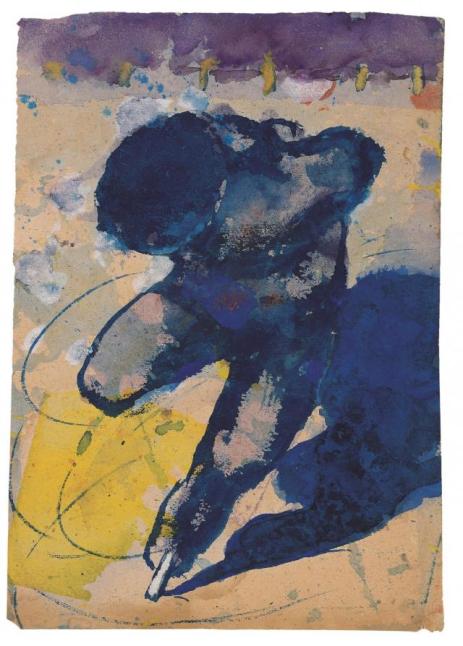 A further part-day in Edinburgh saw us at the National Gallery to view a Rembrandt exhibition as well as to look at parts of the regular collection. The aim of the exhibition was to showcase Rembrandts alongside “the many British artists he inspired, such as William Hogarth, Joshua Reynolds, Henry Raeburn, David Wilkie, Jacob Epstein, John Bellany, and Frank Auerbach”. I would have preferred just the Rembrandts on their own, finding the others something of a distraction – though of course the exhibition did show just how much of an influence Rembrandt was on these artists. My love is always the portraits…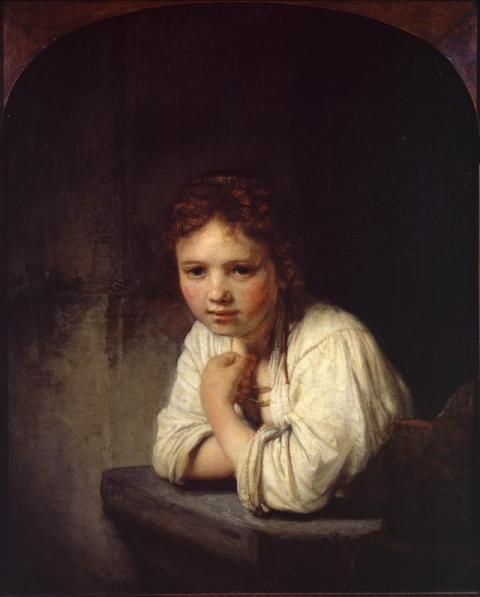





 JaneRussell journeys