London #6 – Greenwich & The Lambeth Garden Museum

Thursday 27th & Friday 28th

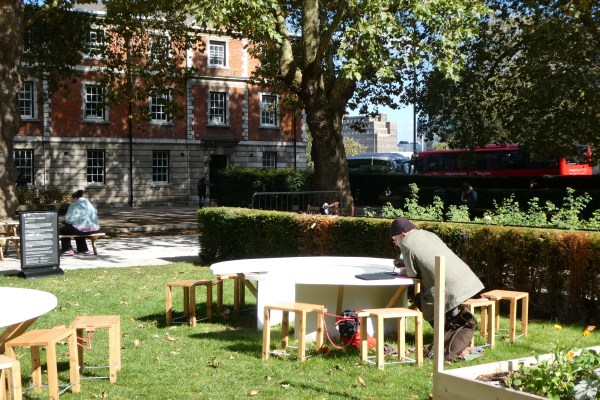
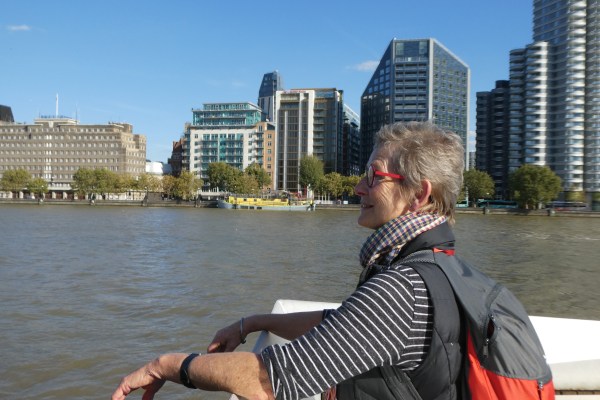
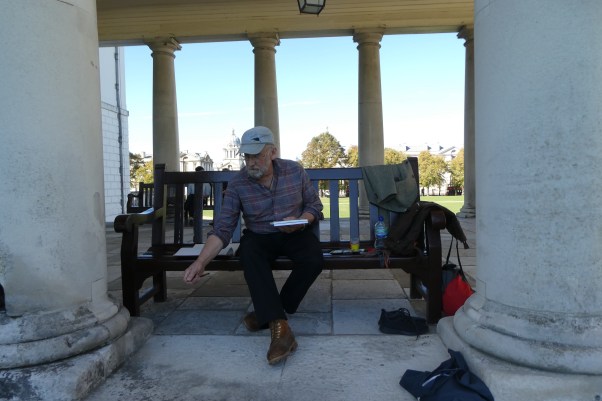
Thursday was Russ’s birthday. We wanted to do something nice, preferably out of the rush and bustle of the inner city. So we opted to take the ferry from Wandsworth Pier to London Bridge where we caught another ferry to Greenwich. These ferries are intended primarily for commuters in contrast with the larger tourist boats that ply the Thames. They offer a wonderfully restful route through the heart of the city. Everything to see without the distraction of foot and vehicle traffic. The day was sunny and warm once the early morning autumn chill had dissipated. At Greenwich, a place familiar to both of us, we wandered through the Greenwich Market and then past the Maritime Museum to the colonnade on one side of the Queen’s House. There we parked ourselves on a bench and Russ painted the view up the hill toward the observatory while I typed.
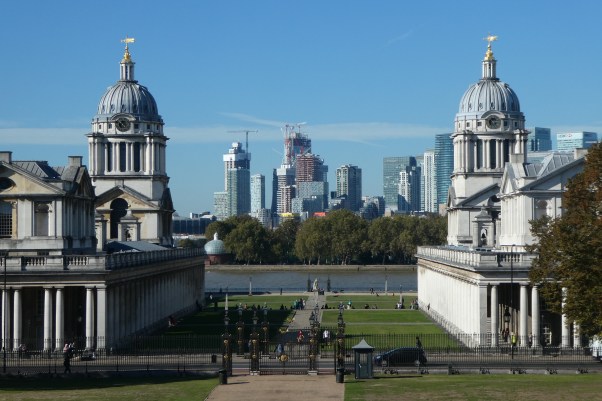
P1050638.jpg

P1050652.jpg

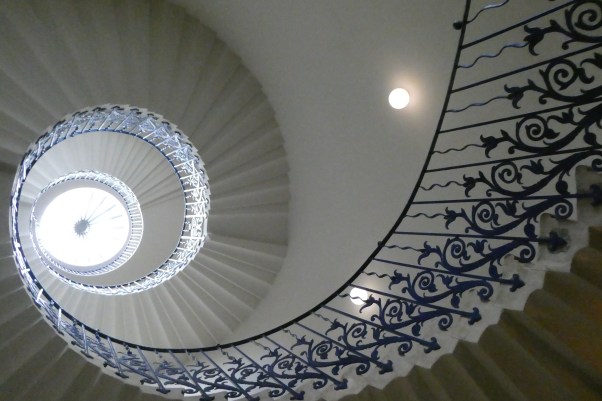
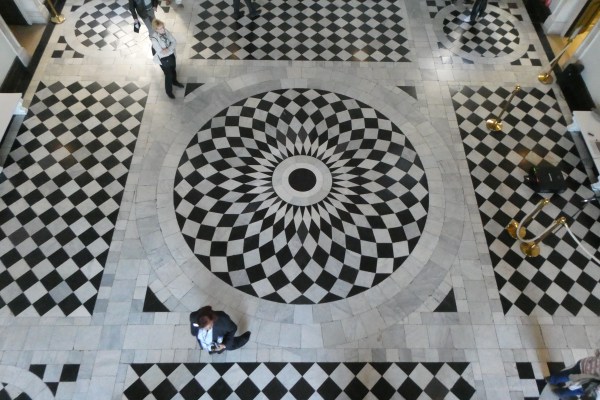
Later I popped into the Queen’s House (closed for restoration the last time I was in Greenwich) built for James 1’s wife Anne and used by Charles 1’s wife Henrietta Maria. Such a lovely building, beautifully restored and full of interesting artwork. We had a late lunch at the Maritime Museum, a look at the exhibition on Maritime London (once the largest port in the world) and then a return visit to the market from where we emerged with a charming 1920s typewriter. Totally impractical for carrying home to NZ but a love-at-first-sight purchase. Russ will use it to write letters and poems.
P1050654.jpg
In the Queen’s House above and below

P1050653.jpg

P1050656.jpg

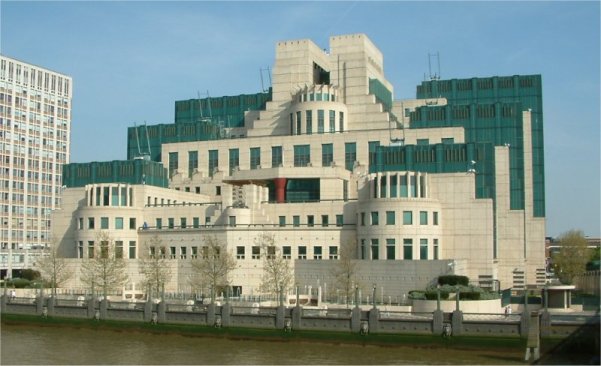
Friday 28th we opted to spend the day at the Lambeth Garden Museum housed in an old church adjacent to Lambeth Palace. https://gardenmuseum.org.uk We walked down to Wandsworth Town and caught the overhead train to Vauxhall from where we walked along the embankment, past the MI5 edifice (monstrosity) secured to within an inch of its life, to Lambeth Palace.
Secret_Intelligence_Service_building_-_Vauxhall_Cross_-_Vauxhall_-_London_-_24042004.jpg
MI5 – not my photo

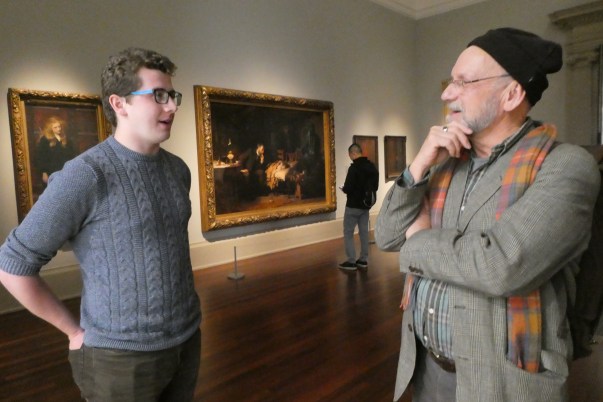
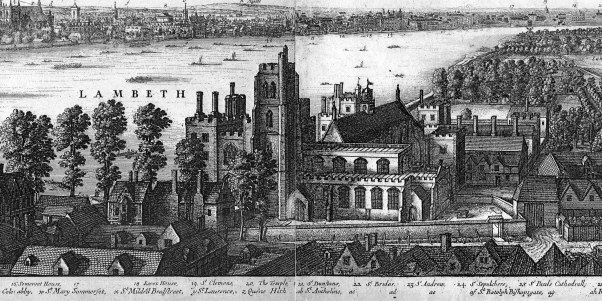
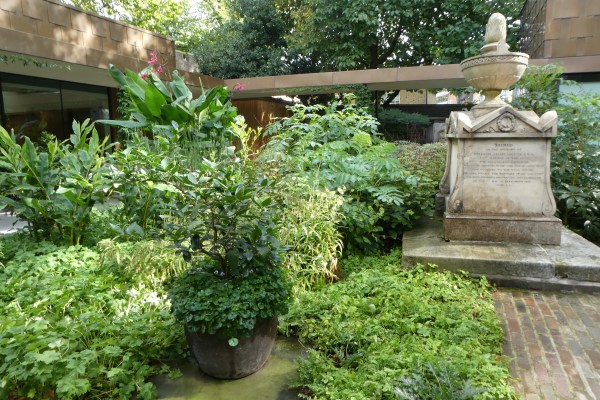
Although Russ was disappointed that the knot garden was no more the museum – eclectic, surprising – was a delight. It definitely left me wanting to learn more about John Tradescant the 16/17th century gardener and plant-hunter who lived close by and is regarded as the first great gardener in British history. We had once of our best UK meals in the Garden Café.
cropped1640s-Detail-of-engraving-by-Hollar-Lambeth-1640s-1.jpg

P1050699.jpg

P1050696.jpg

P1050722.jpg
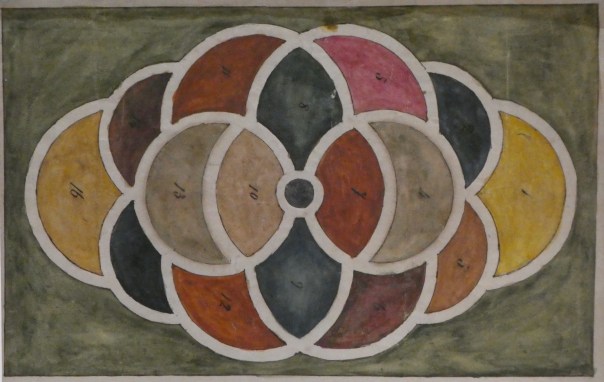
Landscape plan & lovely work of art
P1050734.jpg
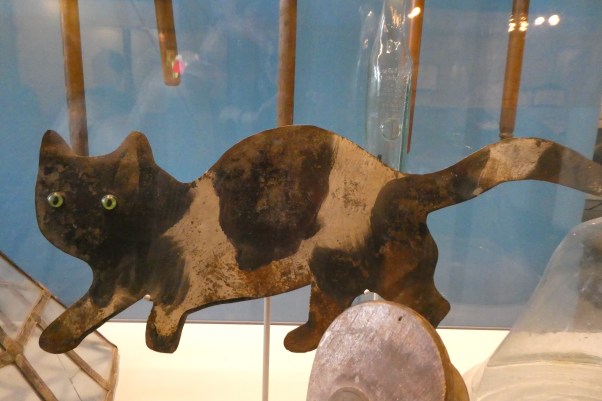
1920s bird scarer

Before leaving we climbed the church tower – not for the faint-hearted – and thence home to pack for the following day’s departure for Shanghai.
London #5 … brave new world

Thursday 27th

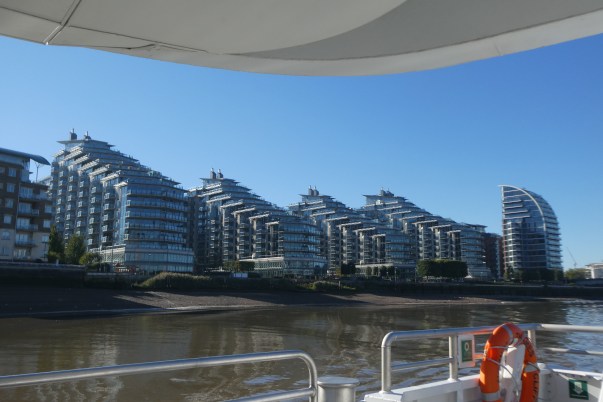
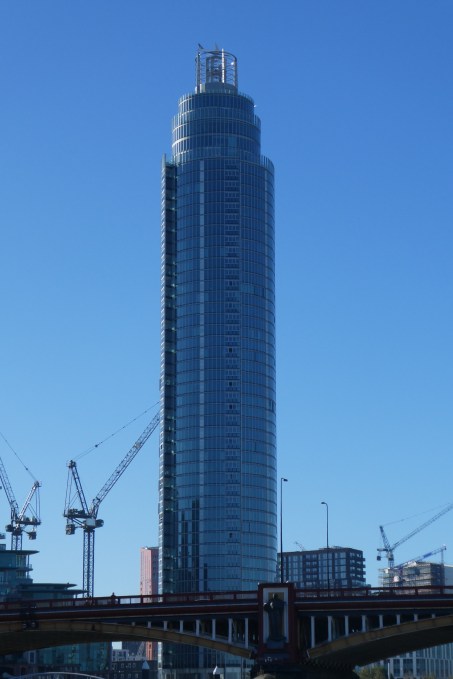
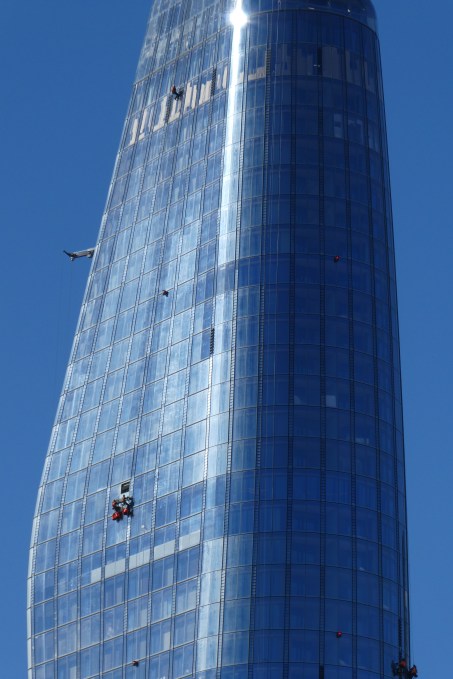
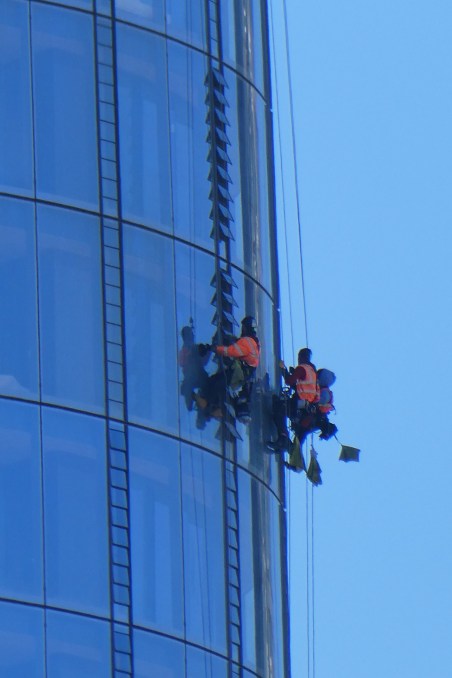
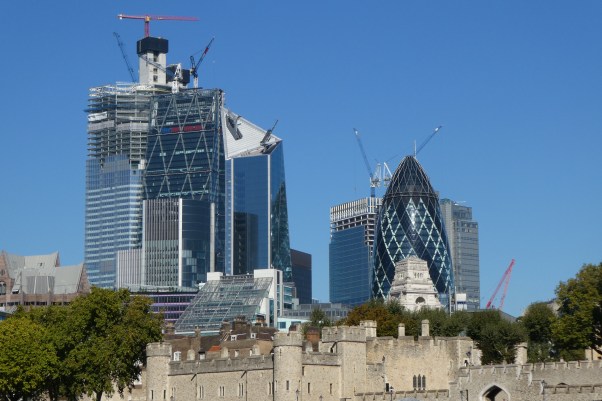
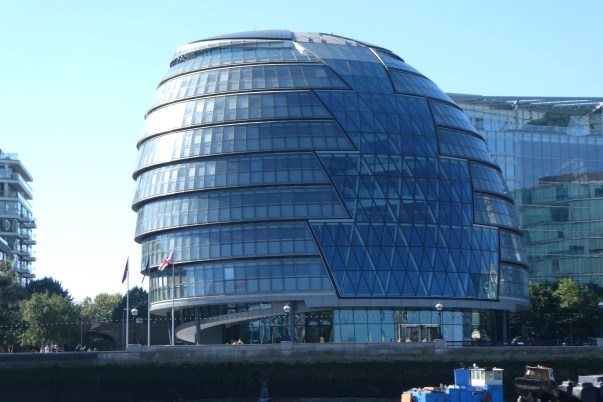
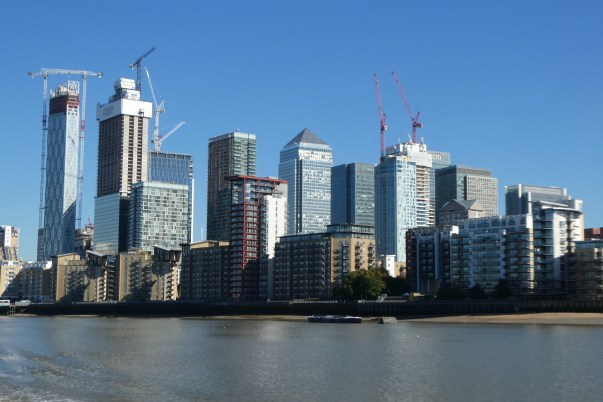
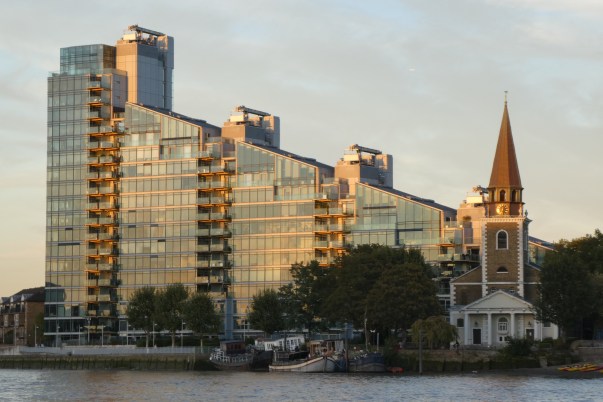
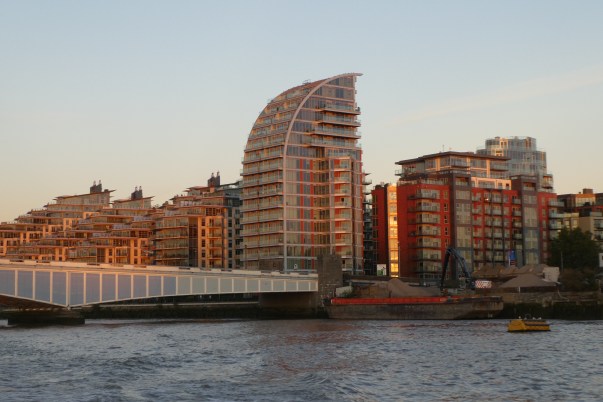
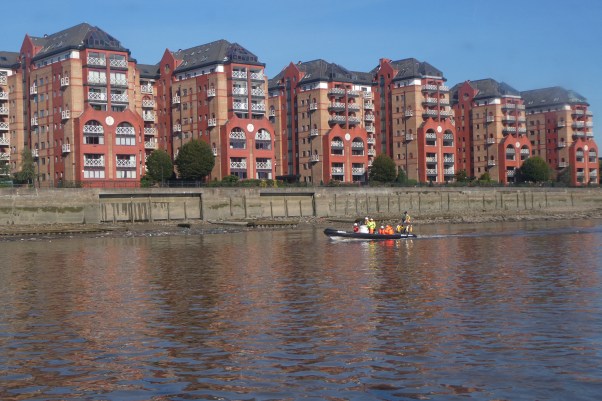
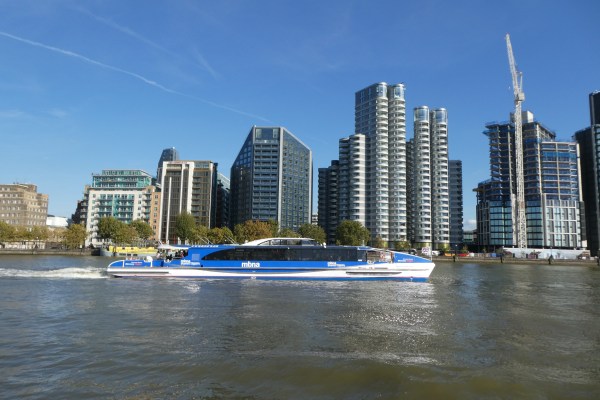
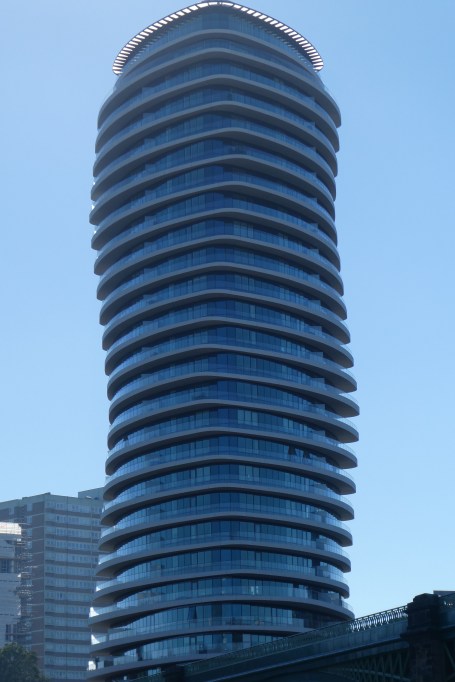
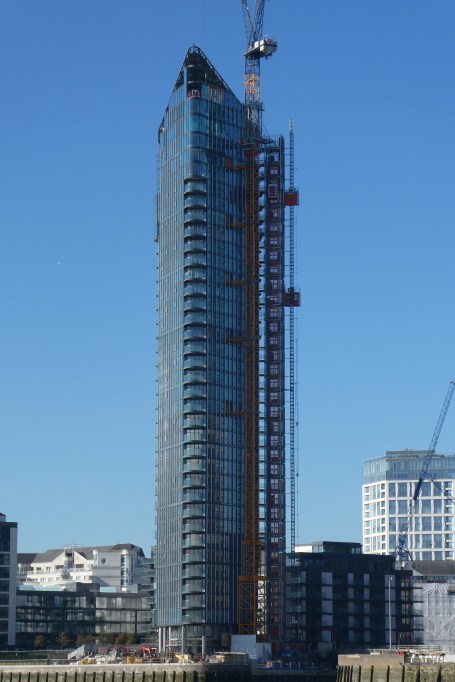
Well, there might have been a financial crisis in 2008, and there are most definitely many many people struggling to survive in the UK, but lining the Thames for miles there is concrete evidence of the triumph of capitalism. The number of buildings, recently completed and under construction, is mind boggling. And these are BIG buildings. 
One of my first impressions when I arrived in London in 1979 was the low-rise nature of city. (To be honest, a bit of a disappointment for a young woman who had just revelled in her first skyscrapers in San Francisco). Of course I grew to love the low, grey stone labyrinth that was London. In later years the one really BIG building was down river at Canary Wharf. But now – well, the best way to illustrate is with photos taken from the river boat, Wandsworth Pier to Greenwich and back. Up to you to evaluate the quality of the architecture…

P1050572.jpg

P1050574.jpg

P1050570.jpg

P1050362.jpg

P1050589.jpg
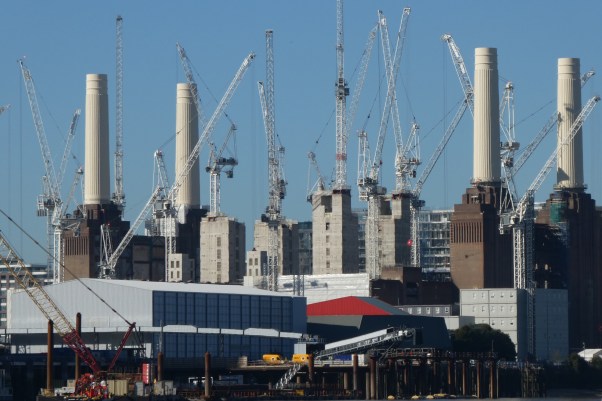
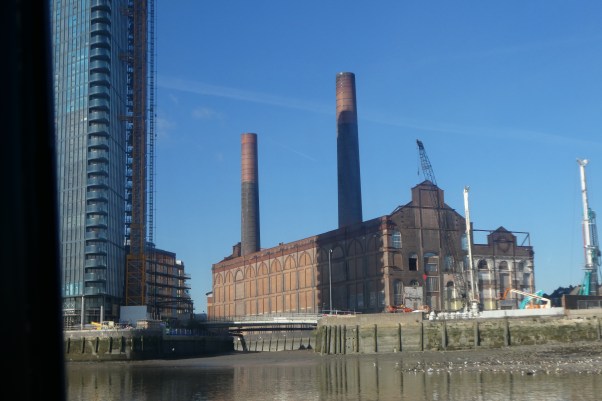
Work on the refurbishment of Battersea Power Station
P1050672.jpg
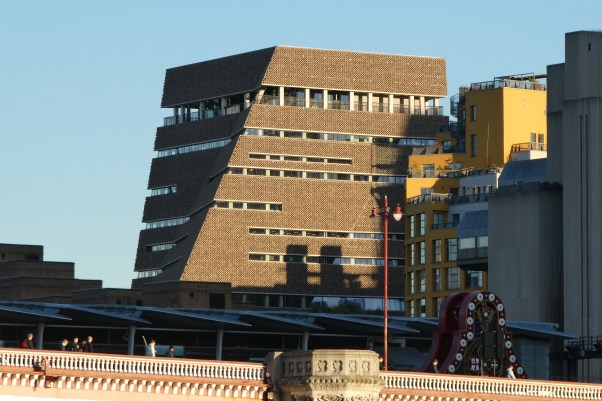
New extension to Tate Modern

P1050593.jpg

P1050590.jpg

P1050612.jpg

P1050614.jpg

P1050624.jpg

P1050623.jpg
City Council? building which I rather like. Been around a while now

P1050635.jpg

P1050676.jpg

P1050680.jpg

P1050681.jpg

London #4

Wednesday 26th.

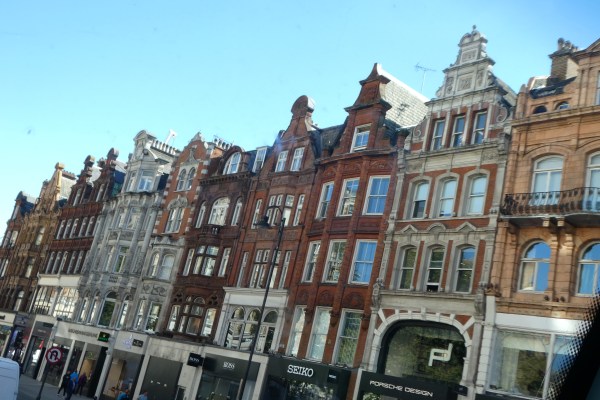
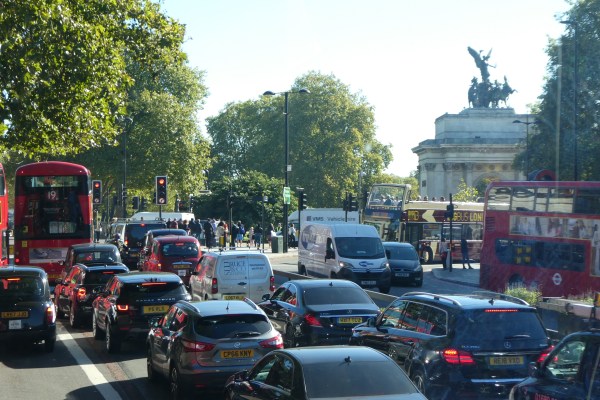
A walk through Wandsworth Park to Putney and bus into the city – bus rather than tube as we wanted to reacquaint ourselves with London above ground rather than underground. Top of a double-decker, right in the front, rubber-necking to our hearts’ content. Swiftly through Fulham and Kensington, by Park Lane we were slowing down and by Oxford Street we had ground to a halt. No matter, plenty of opportunity to watch people and buildings.

P1050446.jpg

P1050451.jpg
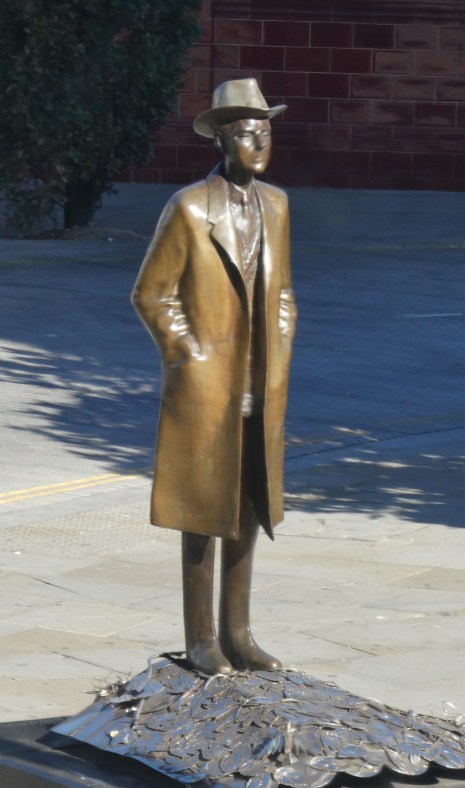
Bela Bartok

P1050465.jpg

P1050484.jpg

P1050495.jpg

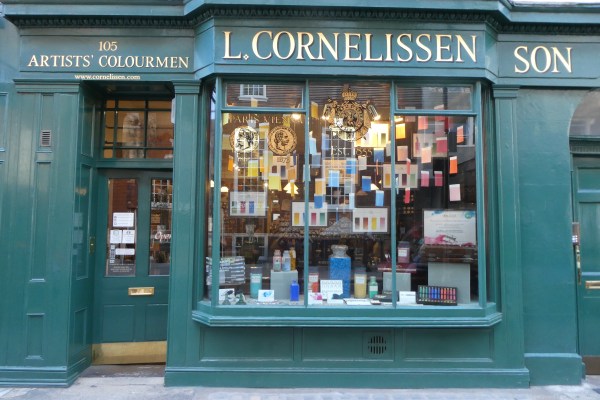
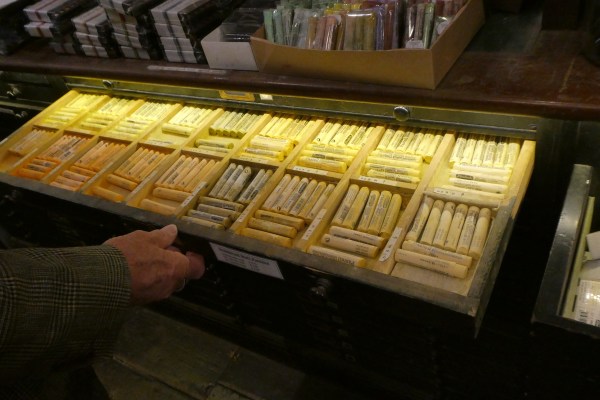
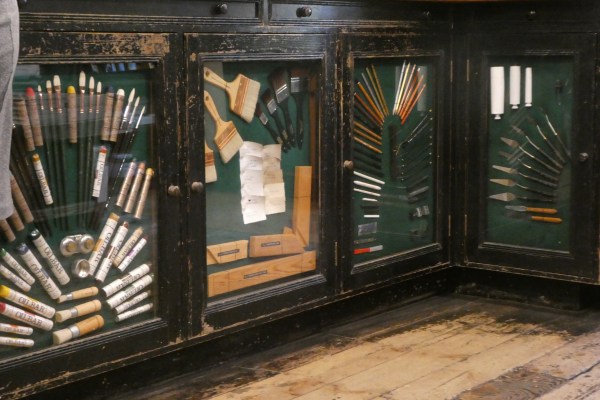
We alighted at the end of Oxford St and walked via Tottenham Court Road, Bloomsbury, Russell Square Gardens, Mecklenburg Square, Gray’s Inn Road and up to King’s Cross/St Pancras Stations. On the way we happened across Cornelissen & Son in Great Russell Street – “store for high-end, hard-to-find artist’s equipment such as pigment, gouache and gilding materials.” What a treasure house and a delight!

P1050542.jpg

P1050526.jpg

P1050528.jpg

P1050530.jpg

P1050533.jpg

P1050536.jpg

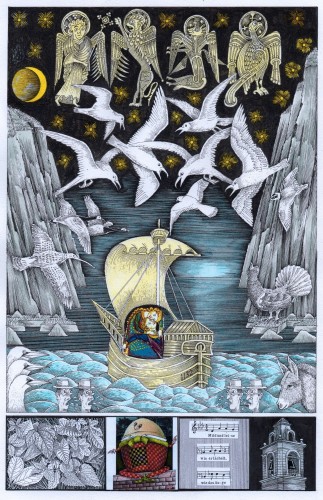
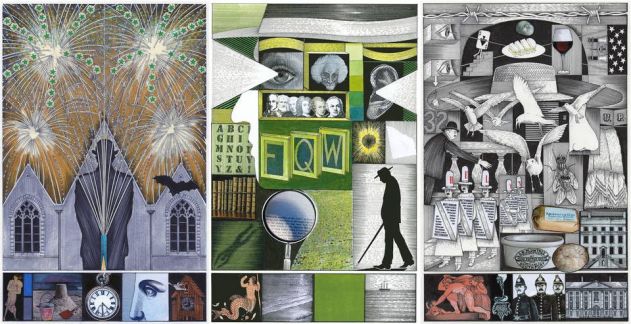
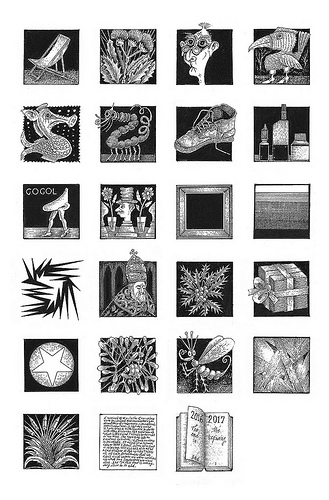
Then in behind the stations to open out into a newly developed area focused around Central St Martins, University of Arts, London. “Our main campus is located in the award-winning Granary Building at the centre of London’s King’s Cross.” Great use of what was once a derelict area around the Regent’s Canal. After lunch in the Granary we visited the House of Illustration  featuring exhibitions of the work of Quentin Blake and, someone I had never heard of – John Vernon Lord. Lord has just completed illustrations for five books by James Joyce and Lewis Carroll. Remarkable work, the most intriguing being the tiny working journals in which he records everything meticulously.

P1050553.jpg

finnegans-wake-credit-john-vernon-lord.jpg

9cdbcb5fb687e54e45aafeb0f652cf6c339f79a8_2200.jpg42242619250_102ac5a0b0.jpg

Back by tube to Putney for a brief rest before Russ retraced his steps to meet Jack and Ellie for for the first time in over two years.

20180926_213220.jpg

London #3

Tuesday 25th

We walked down to the Thames and caught the riverboat from Wandsworth Riverside Quarter Pier. The boat ride was a delight on a sparkling, sunny morning with London slowly revealing itself as we rounded the bends in the Thames.

P1050354.jpg

P1050360.jpg

P1050364.jpg
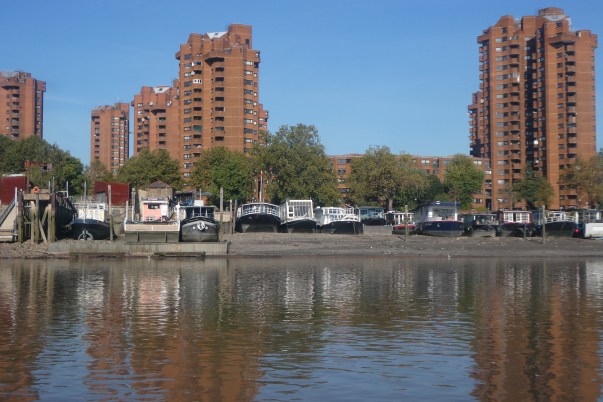
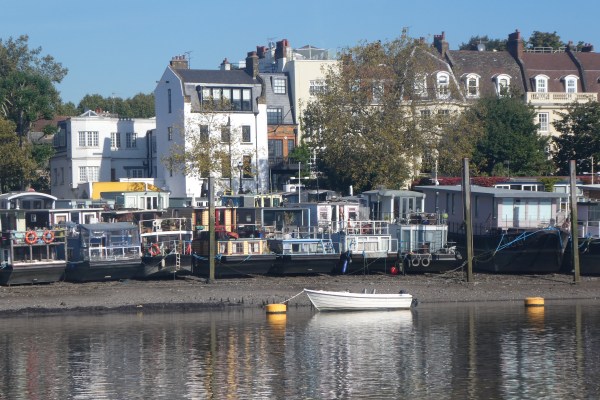
Houseboats at Chelsea – low tide

P1050422.jpg

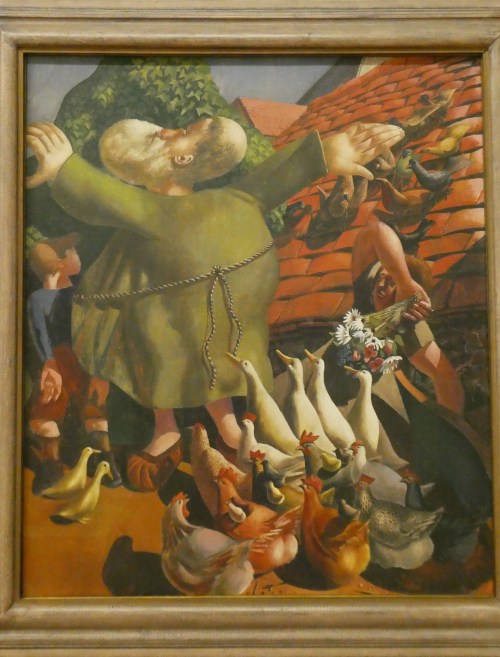
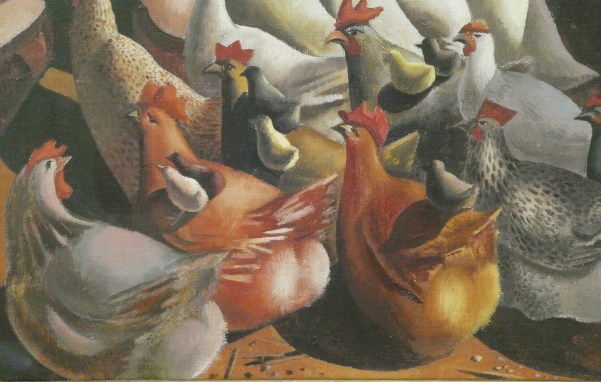
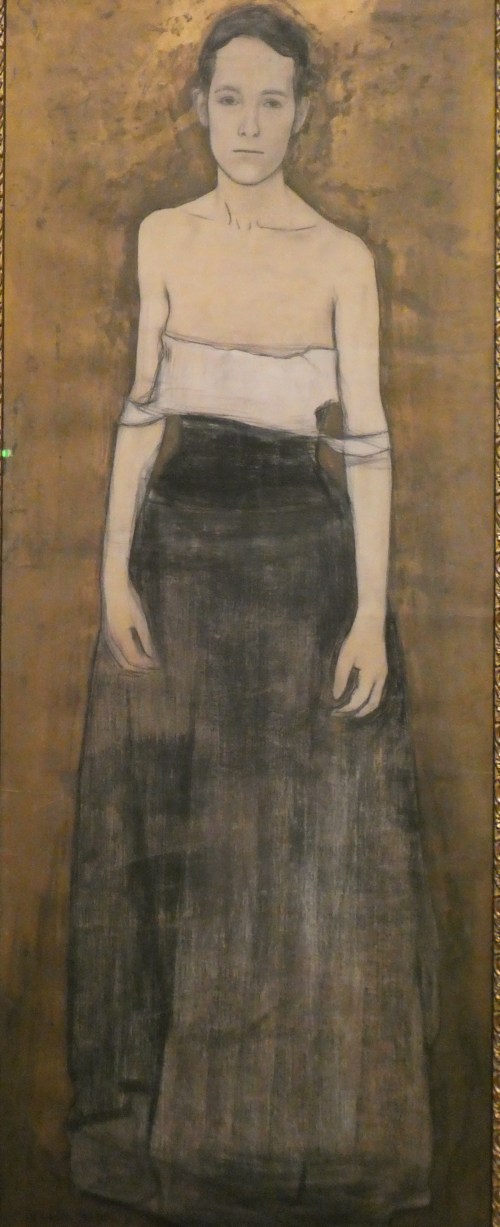
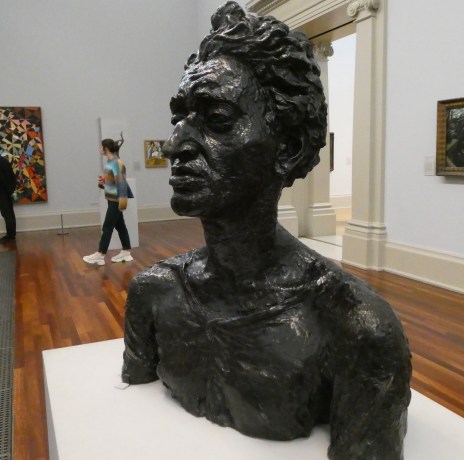
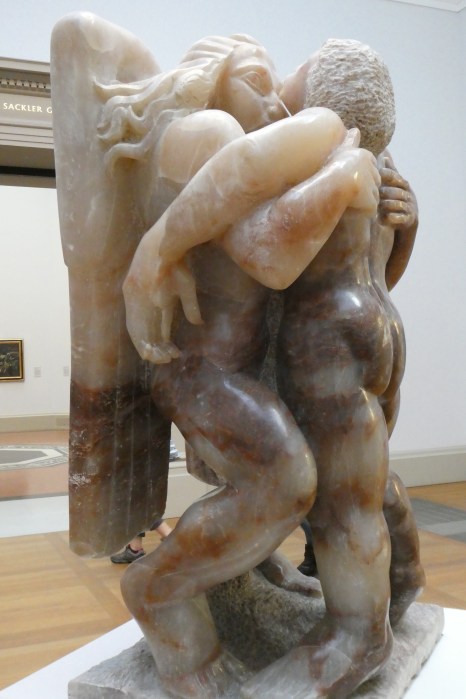
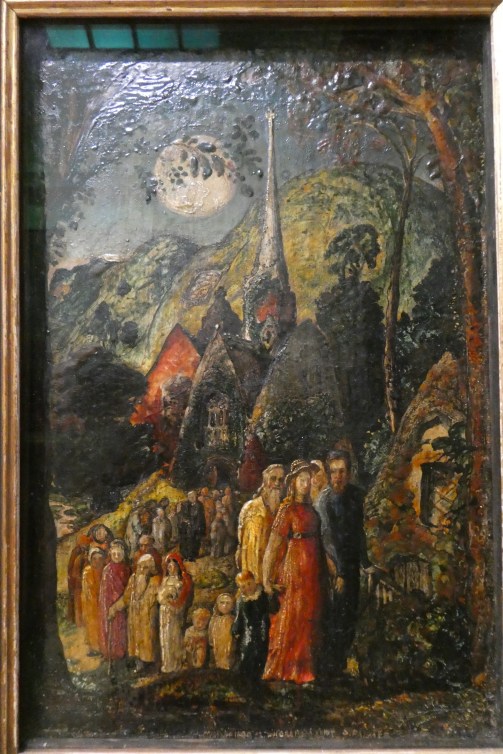
We got off at Milbank for Tate Britain and basically spent the rest of the day there. The intention had been only to look at Stanley Spencer and William Blake but we were lured into room after room – a sort of slow seduction. Much work was familiar; some was new to me – for example Richard Dadd and Samuel Palmer. Also Jacob Epstein whose sculptures I had seen in the past but not paid much attention to.

P1050372.jpg

P1050373.jpg

P1050398.jpg

P1050396.jpg

P1050391.jpg

P1050392.jpg

P1050374.jpg

P1050405.jpg
Jake and Russ – an unexpected meeting

We ate our lunch from the gallery cafe outside and then Russ painted in a little garden area just opposite the embankment while I wrote. 

P1050407.jpg

A return boat trip and then an evening walk along the Thames, through Wandsworth Park, to Putney for a meal.

P1050423.jpg
Always feels like being home

P1050427 (1).jpg

P1050436.jpg
Across the river at Putney

London #2

The day following our return to London we were totally stuffed and resolved to have a gentle day. Morning, post self-made breakfast in Serena’s dining room, saw us stuffing our wet washing into two backpacks and hiking up in the rain to the laundromat where we sat and read while our washing spun and dried. Russ reading ‘Catcher in the Rye’, me ‘On the Black Hill’ and a lady came in who had read both, much to our delight. In the afternoon we went walkabout with Serena and her cousin Charles, seeing a cormorant on the River Wandle (what a glorious name – Wandle) and finding Wandsworth Park down on the riverfront, before returning home for a rest. Dinner at The Cat’s Back (I think) and an early night.

P1050264.jpg

P1050274.jpg
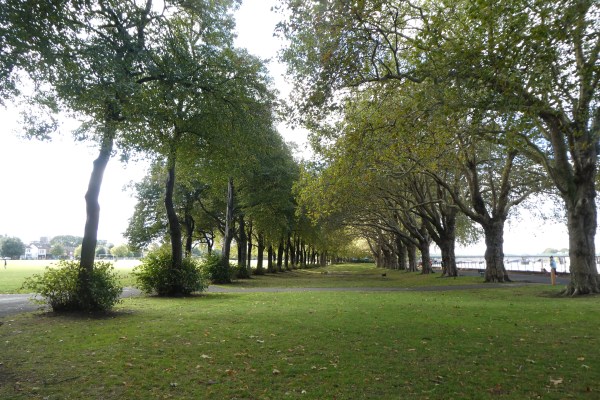
Trees in Wandsworth Park.

P1050271.jpg

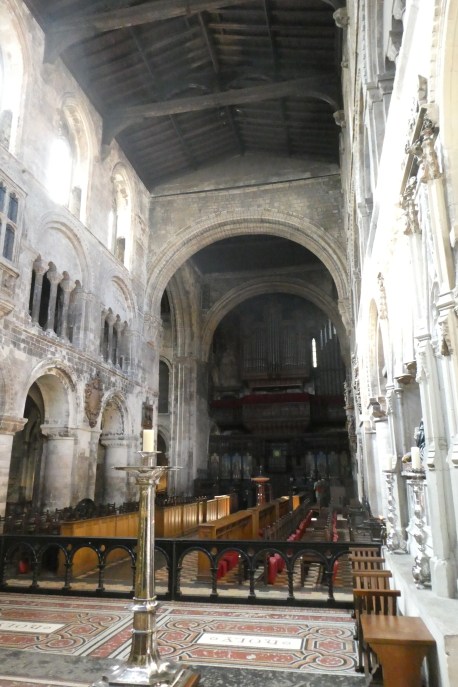
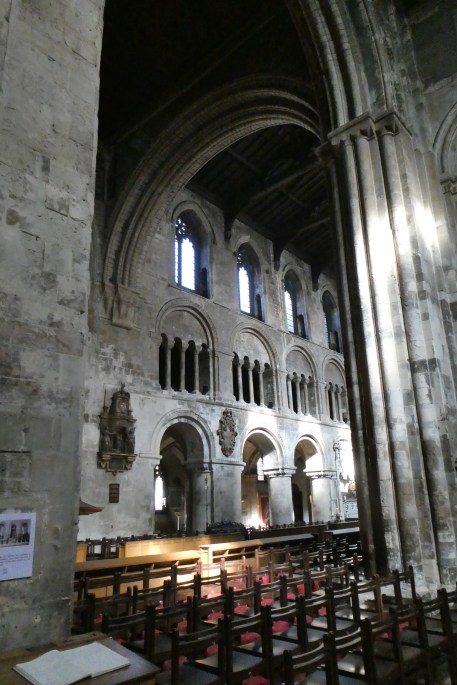
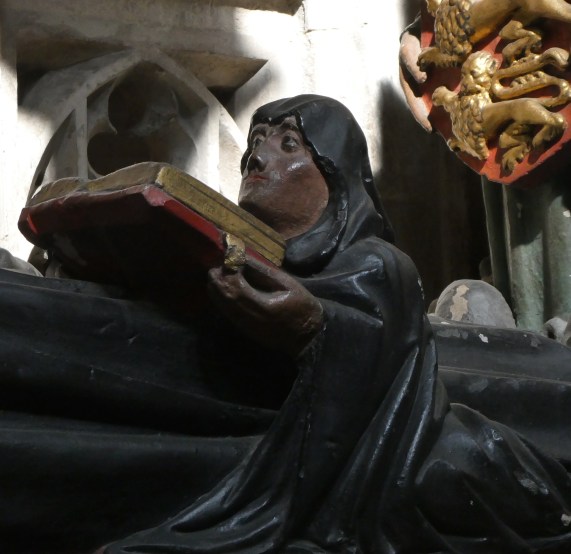
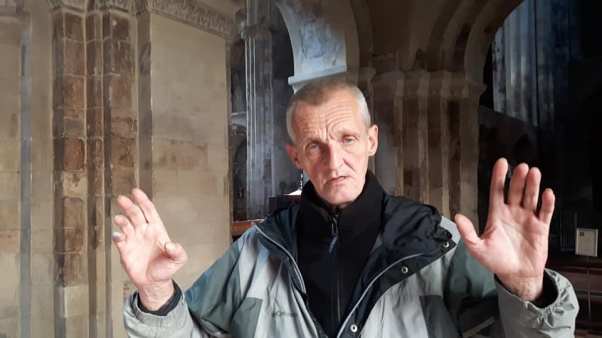
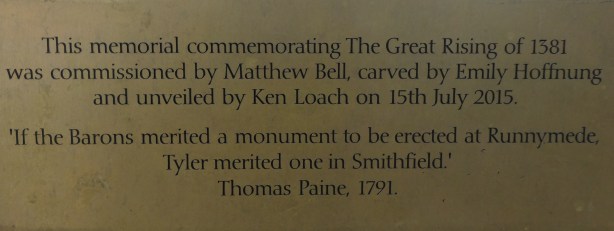
Monday 24th. Having found out the best route to East Putney underground station we walked up Oak Hill Road and caught the tube to the Barbican in order to visit the tucked-away-out-of-sight Priory Church of St Bartholomew, founded in 1123AD. Dark, squat, almost crypt-like, very evocative, established by the man who also founded adjacent St Bart’s Hospital. Inside we were approached by a tall, thin man asking very politely if we could spare any money. Russ talked with him and he shared his story. An intelligent, articulate man, old beyond his years. Nearby a Damien Hirst sculpture covered in 24-carat gold leaf. Huh?  Russ asked if he could photograph the man’s hands. Outside the hospital, plaques commemorating Wat Tyler’s death in 1381 following the ‘Great Rising’ and the execution of Scot William Wallace (see the Stirling posts). Sobering all round.

P1050294.jpg

P1050295.jpg

P1050297.jpg

42390197_10217713330363907_287478529241645056_n.jpg

P1050303.jpg

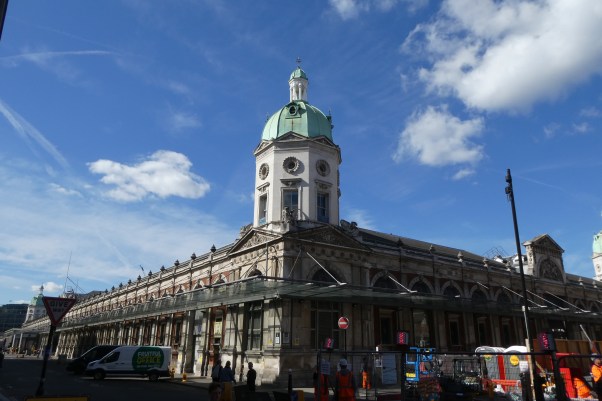
We crossed Smithfield Market (business complete for the day) and called into the Museum of London. Wonderfully informative but we only had a taste before returning to Putney on the tube to get ready for going to my cousin Jenny’s in Earlsfield. Such a fun evening with Tom and Karen, Jenny, Sarah and Steve and Emily. So good to catch up with my UK family!

P1050319.jpg

P1050315.jpg

P1050326.jpg

P1050327.jpg

P1050325.jpg

P1050324.jpg

P1050320.jpg


Back in London…

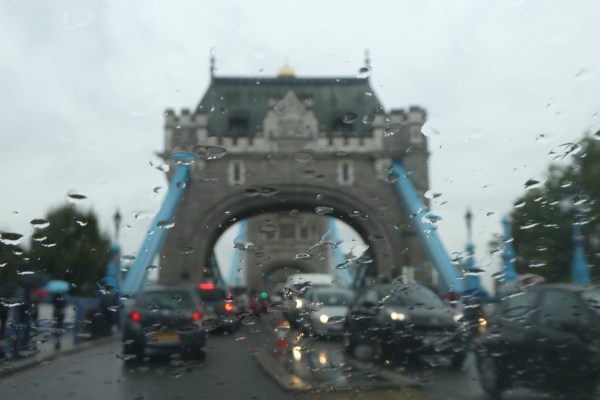
Saturday 22nd we packed up early at Wells-next-the-Sea Youth Hostel and activated Herbert for Putney, London. A good run down through Norfolk and Cambridgeshire and even the outskirts of London, until Herbert decided to take us across Tower Bridge (why Herbert, why?). By that time Russ was busting and the long wait in traffic jams was driving us both to distraction. In the end a quick illegal park enabled some relief (not so easy for girls!) and we wound our way through south London with fingers crossed that the car would remain intact until we got it back out to Heathrow. We found our digs, parked up the road, dropped our bags with Serena, had a bite to eat at the Queen Adelaide and headed off to the airport to deliver the car – scratchless after 1500 miles. That’s quite a feat given the number of vehicles on the road, the high-speed motorway-jostling and narrow village lanes never intended for more than foot and horse traffic. Thank you Russ.

P1050252.jpg
Crossing Tower Bridge in the rain

P1050255.jpg

Back on the tube to East Putney followed by a longer hike than was necessary in the rain because we didn’t know the exact route and finally back to our London base for the next week. The house, of which we have two basement bedrooms and a bathroom, is on four levels and was built in 1723. It is gorgeous. Wooden beams, predating the building of the house, paneled walls, uneven floors and ceilings, one room wide, a little courtyard garden front and back – a ‘doll’s house’ as Serena says. Built to look grand from the outside, belying its limited width. The house is full of antique furniture, furnishings and ornaments mostly from Serena’s family. Our rooms are below street level, so hidden away, very private and with one room opening onto the rear courtyard garden.

P1050268.jpg

P1050265.jpg
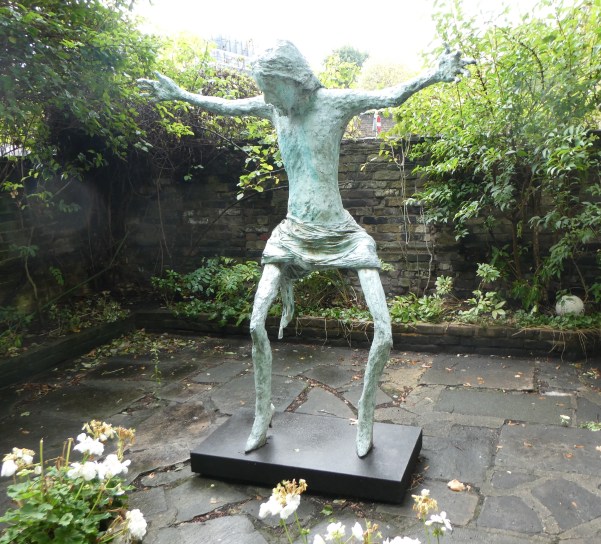
‘Jesus dancing in high heels’ – in the front courtyard
P1050429.jpg
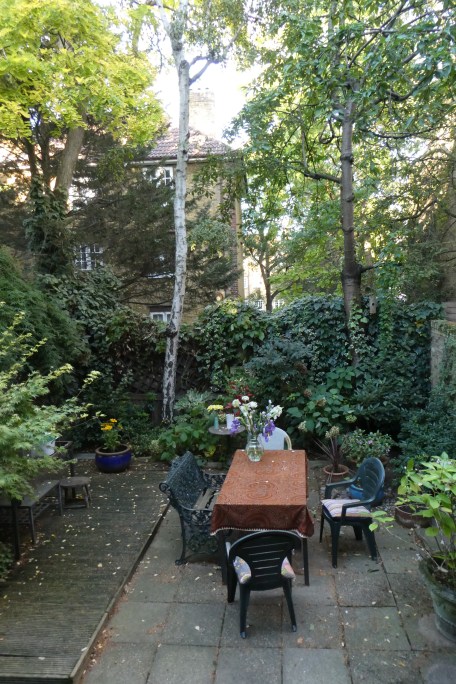
Rear garden
P1050432.jpg
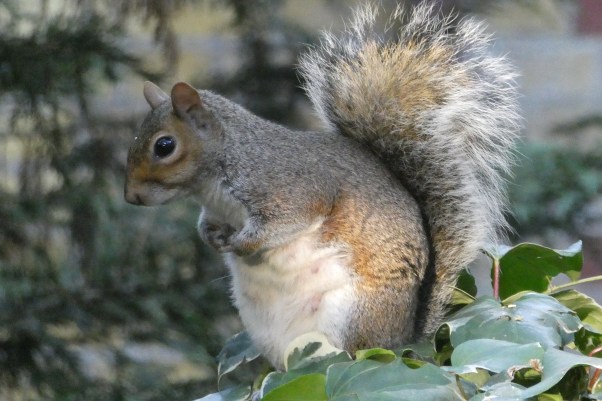
Garden visitor


Norfolk

Norfolk was new to me. Things I noticed in particular include…

The farming. Whereas for most of our driving through Wales, Scotland and north England we saw sheep and cattle, Norfolk was more about barley, market gardening (including yesterday lots of potatoes) and, surprisingly PIGS. On the drive yesterday from Well-next-the-Sea to London we passed a whole host of large, free-range pig farms, the animals in tip-top condition as far as I could see.

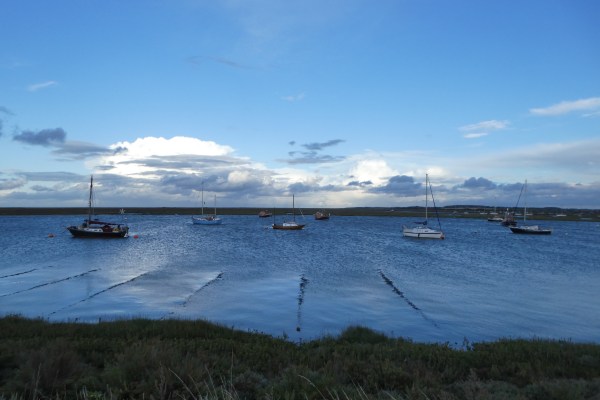
The coastline. We only saw a little bit of the Norfolk coast, around Wells, but, coming from a place where steep Port Hills hills drop down to Lyttelton Harbour, the flat, marshiness intrigued me. The vistas were huge, the clouds monstrous and the light, at least when we were there, incandescent. There was an other-worldly feel to it.

P1050202.jpg

P1050219.jpg

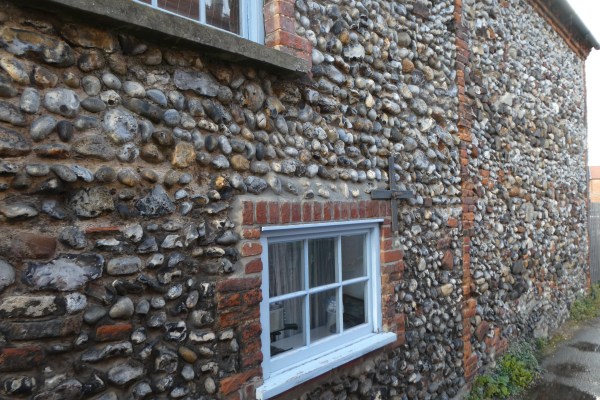
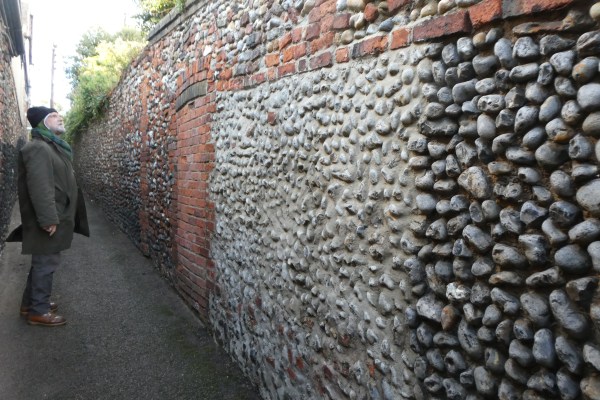
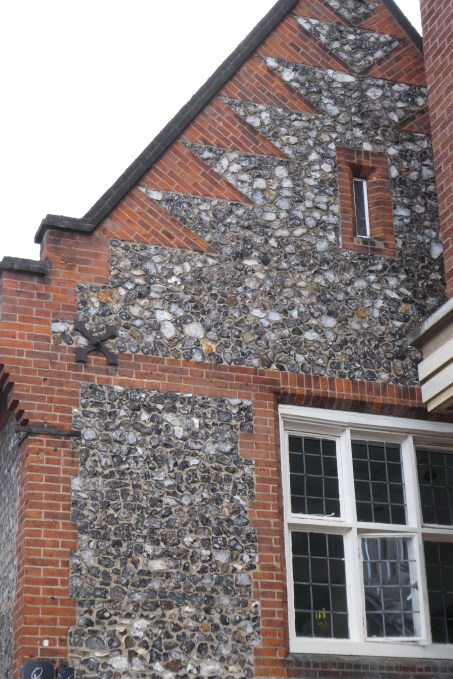
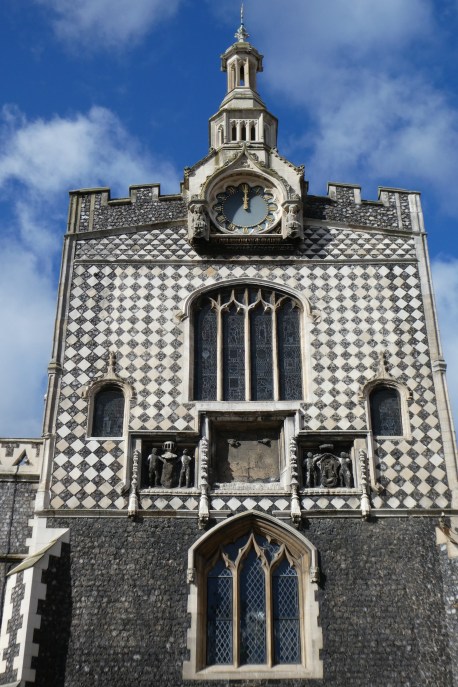
The houses. This is the land of flint houses. I don’t recall when we first moved from ochre-coloured sandstone cottages to flint but sometime before Wells we were seeing small and grand houses built and decorated with cut and uncut stone.

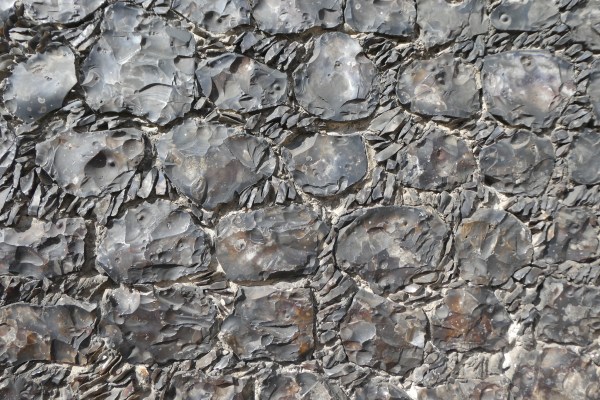
Early flint buildings are generally built of the unprepared cobbles mortared together. Later brick or stone details for corners or door and window dressings are introduced. Flint was not knapped until the 14th century. Knapping involves the chipping of the flint to reveal the interior black surface.

Squared knapping involved the squaring of the block of flint as well as the preparation of the face of the block. This was costly and consequently was generally used for churches and high status buildings

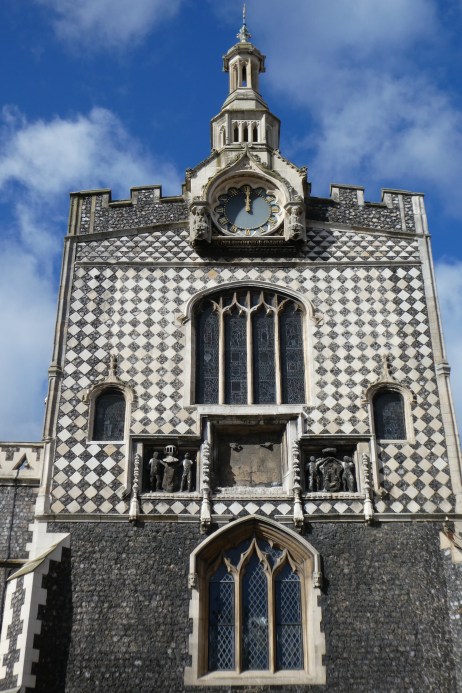
Galeting, the use of small flakes of flint or other material pushed into the mortar between the larger blocks, was introduced in the early 15th century and is used to good effect in the Norwich Guildhall

Another decorative technique was the combination of flint with another material to produce flushwork. Panels of stone were cut to shape and then spaces between these stones were filled with knapped and squared flints. These could be used to produce intricate light and dark chequerboard and other designs.

P1050190.jpg

P1050192.jpg

P1050118.jpg

P1050119.jpg

P1050179.jpg

P1050117.jpg


Norwich…

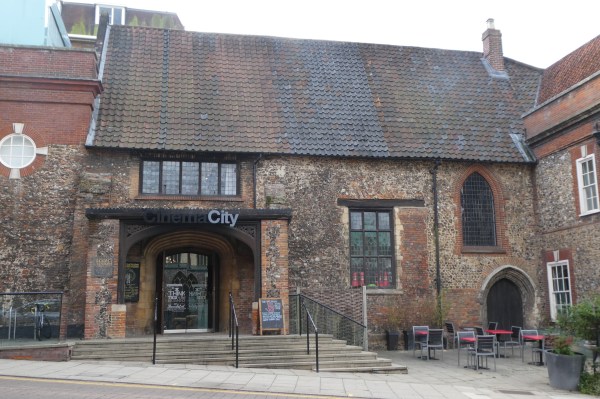
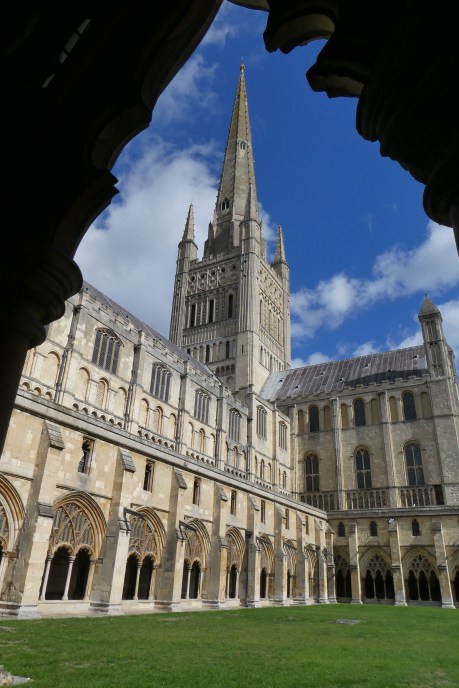
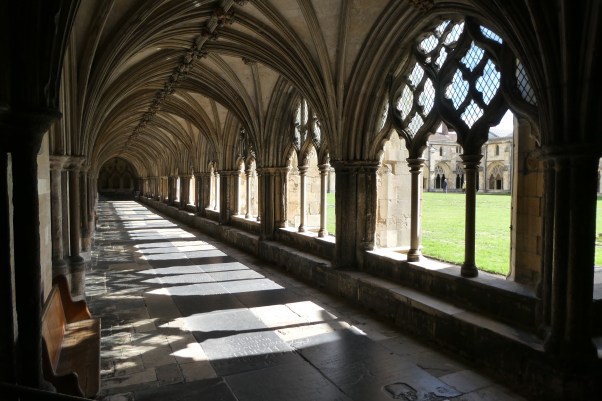
From Wells-next-the-Sea we drove south-east to Norwich, now in something of a backwater but once the second largest city in the land after London. Our main aim was to see the delightfully intact (despite Nazi bombing) old town and the cathedral. The best way to share what we did is through pictures…

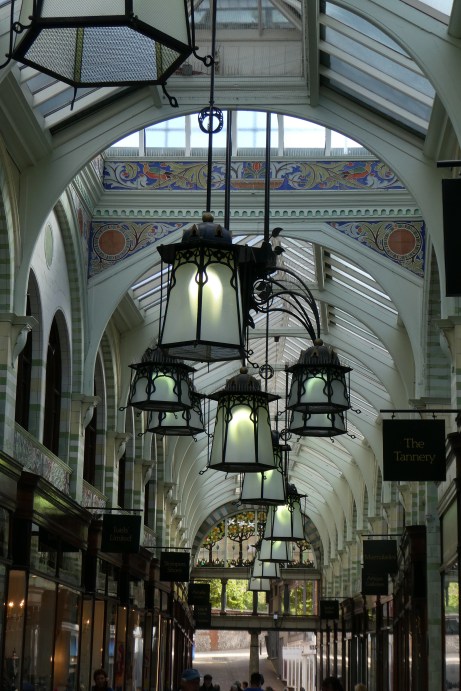
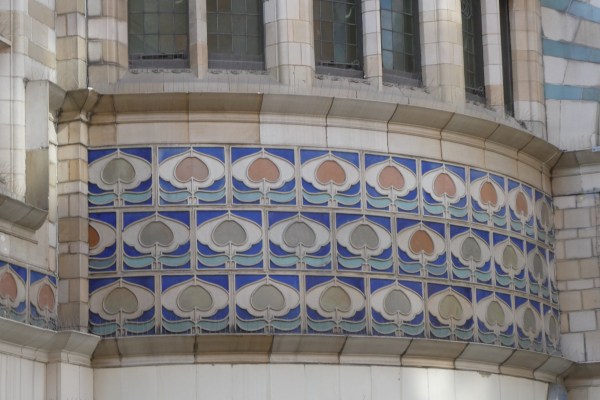
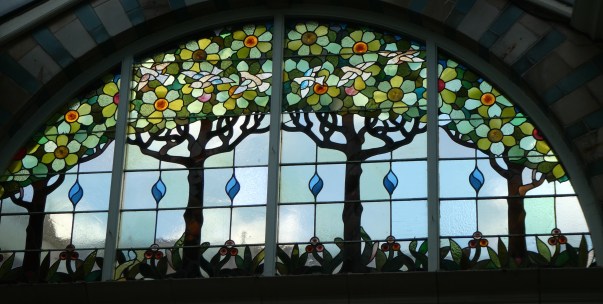
Here are details of the Arts and Crafts-style Royal Arcade, designed by local architect George Skipper and opened in 1889.

P1050110.jpg

P1050109.jpg

P1050106.jpg

P1050108.jpg

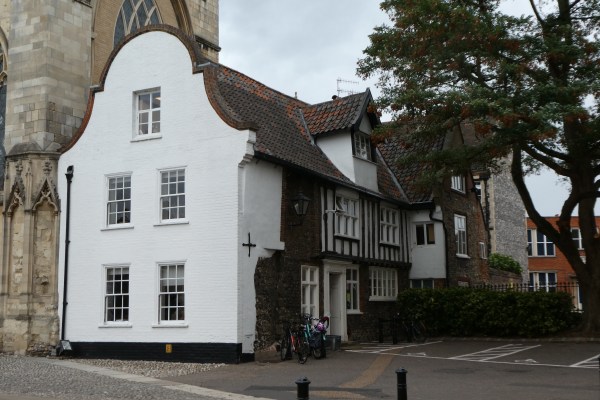
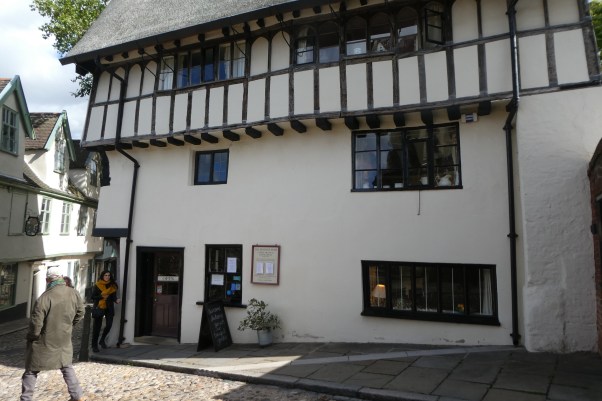
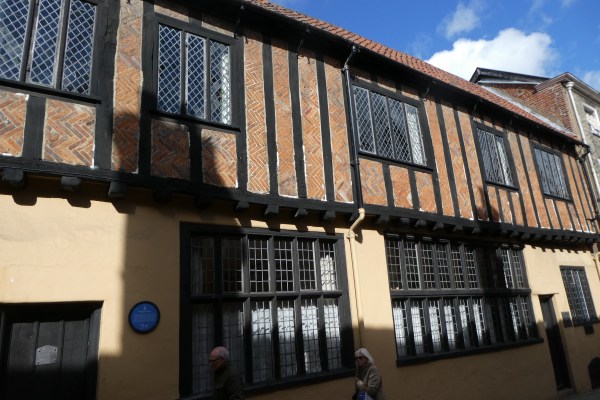
Then such a wealth of styles dating from the 15th century onwards…

P1050177.jpg

P1050117.jpg

P1050124.jpg

P1050128.jpg

P1050133.jpg

P1050120.jpg

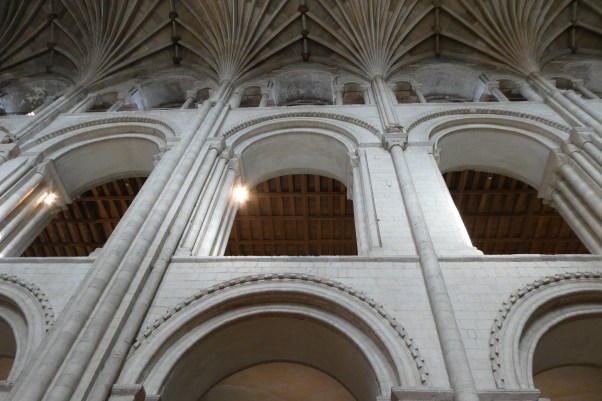
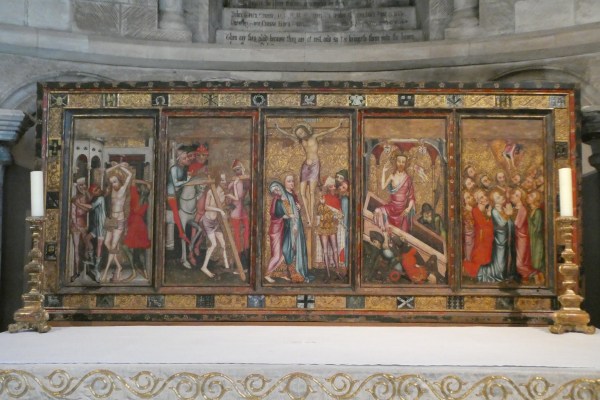
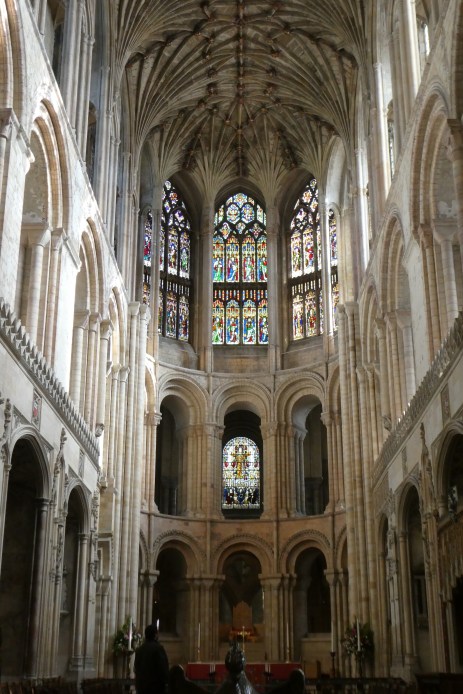
And finally, the cathedral, less awesome and highly decorated than Lincoln but perhaps more elegant – more feminine?

P1050175.jpg

P1050173.jpg


P1050141.jpg

P1050162.jpg

P1050156.jpg

P1050153.jpg

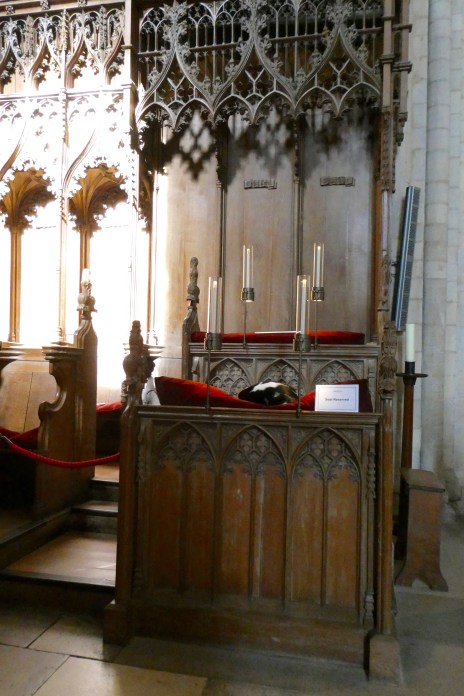
Plus – the highlight!

P1050171.jpg

P1050150.jpg

P1050149.jpg

P1050170.jpg

Wells-next-the-Sea, Norfolk

We chose Wells-next-the-Sea because it had a youth hostel – and there aren’t so many in this east of England area. It’s clearly a hostel that attracts walkers, bird watchers and some fairly unusual people – of whom we may well be two. Lovely, friendly warden, a very compact but fully sufficient room with communal shower/toilet area nearby, self-catering kitchen… Outside the hostel is a lovely old flint church and a short walk down the lane brings us to the centre of Wells-next-the-Sea – which is no longer ON the sea, as it once was, but on a sort of estuary created by the river as it flows out to the sea a mile further east. Wells was once a major port in the area.

P1050095.jpg
The Youth Hostel
P1050189.jpg
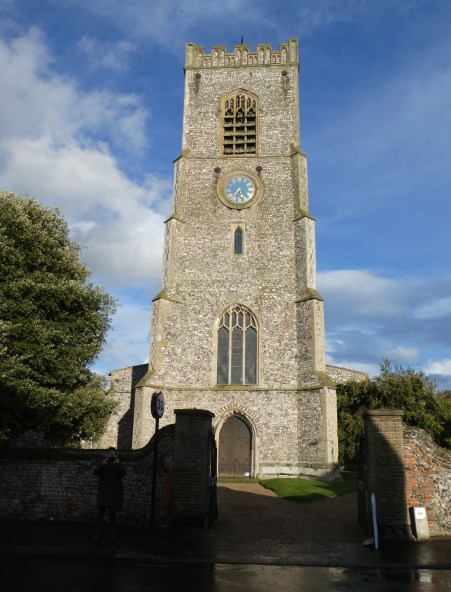
St Nicholas, opposite the hostel
P1050098.jpg
Once the main street

On our first night we wandered to the waterfront at dusk and ate fish and chips by the estuary, enjoying the boats, birds, salt-marsh, the old granary buildings and gantry. On our second day, following a visit to Norwich, we set out to explore Wells a little further. We visited the remarkably commodious town church, directly across the road from the Youth Hostel. Then down through what must have been the more prosperous part of the town – big Georgian houses around a green. On to the waterfront and briskly along a sea wall, in the teeth of a fair old grumpy gale, for about a mile to the sea itself. Constant sound of wind in the boat riggings; little wagtails on the shore.

P1050197.jpg

P1050201.jpg

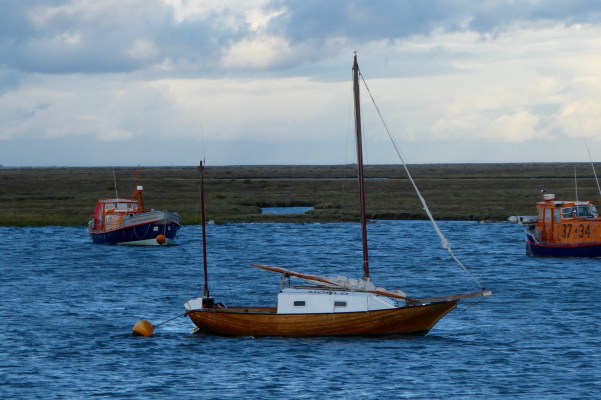
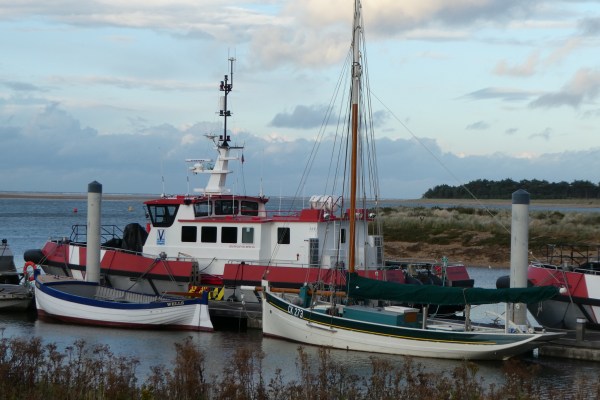
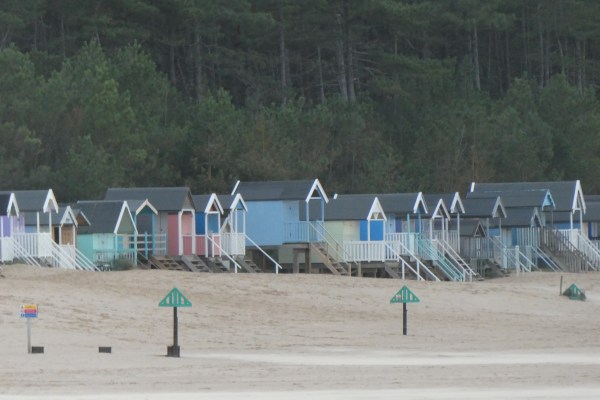
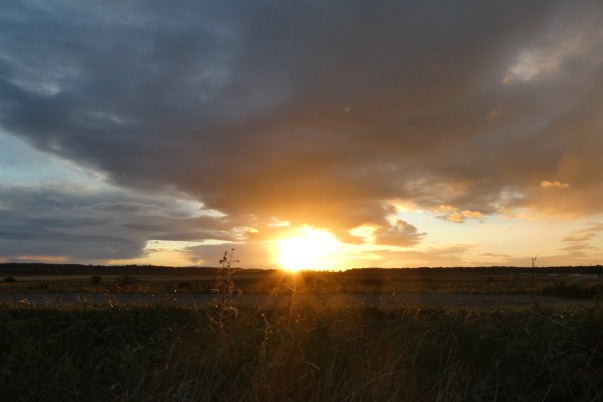
This is not a coast of cliffs but of flat marshland, wide skies and remarkable cloud formations. Well offshore in the distance we could see giant wind turbines. On the sea shore itself at the end of the harbour defences, a tiny inlet housing boats that service the wind turbines. A coastguard lookout. And round the corner, to our surprise, golden sandy beaches and a host of neat bathing sheds painted in various pastel colours

P1050205.jpg
Larger boat services the off-shore wind turbines

P1050208.jpg

P1050214.jpg

P1050227.jpg

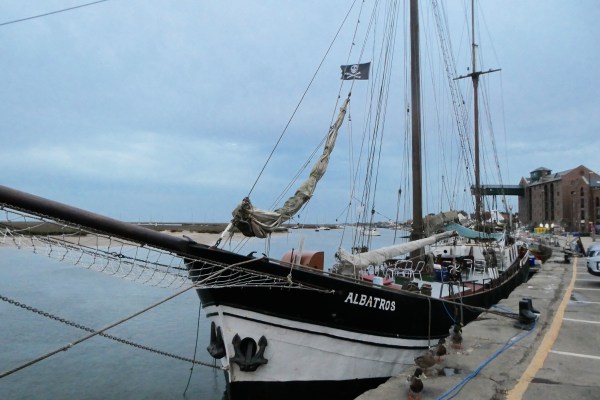
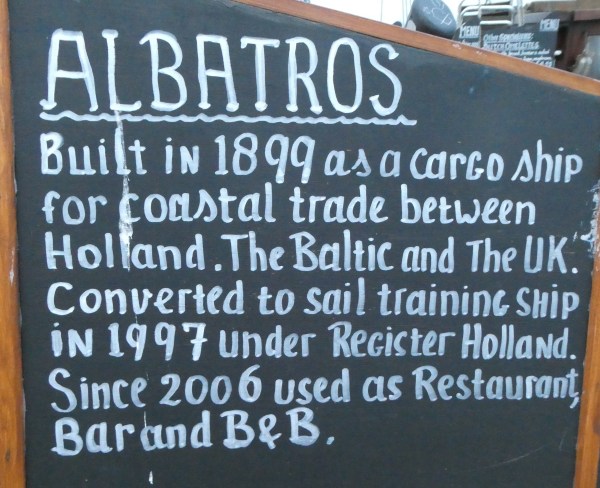
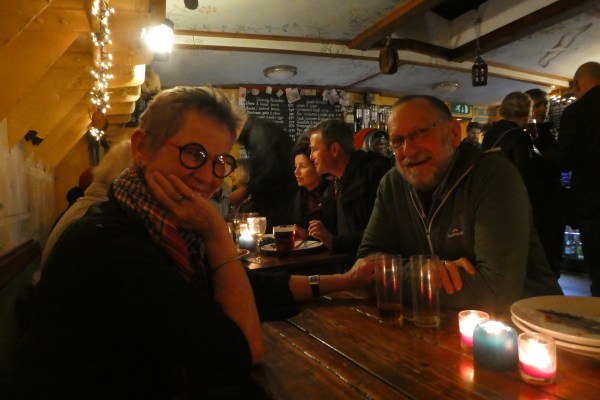
We walked back, frozen but very happy and crowned a lovely day with a meal on the Albatros – a former Dutch cargo ship built in 1899 as a North Sea clipper, now permanently moored and serving delicious Dutch food including amazing pancakes. The atmosphere was warm and cheerful, people shared tables and conversations and it was a lot of fun.

P1050102.jpgP1050101.jpg

P1050243.jpg